Quick Answer: A dripping faucet is almost always caused by a worn internal component: a degraded washer in compression faucets, a worn cartridge in single-handle faucets, or a damaged ceramic disc in disc-type faucets. Replacing the failed component stops the drip. If the valve seat is corroded or the faucet body itself is damaged, a full faucet replacement is the permanent fix.
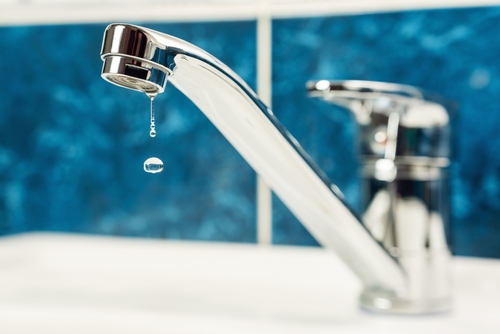
Drip. Drip. Drip. It is not just annoying. A single faucet dripping once per second wastes over 3,000 gallons per year. That is water you are paying for and literally watching go down the drain. Multiply that by two or three leaky faucets in the house, and you are looking at a meaningful addition to your annual water bill.
The good news is that a dripping faucet is one of the most common and most fixable plumbing problems. The approach depends on which type of faucet you have.
Compression Faucets (Two Handles)
Compression faucets use a rubber washer that presses against a valve seat to stop water flow when you turn the handle off. Over time, the washer wears out, hardens, or compresses unevenly, and it can no longer form a watertight seal. The result is a steady drip from the spout.
Replacing the washer is the fix. Shut off the water supply, remove the handle, unscrew the packing nut, and pull out the stem to access the washer at the bottom. Take the old washer to the hardware store to match the size and replace it.
If the washer looks fine but the drip continues, the valve seat may be corroded or pitted. A damaged valve seat prevents even a new washer from sealing. A plumber can resurface the seat or replace it depending on the faucet design.
Cartridge Faucets (Single Handle, Side to Side)
Single-handle faucets that move side to side for temperature control typically use a cartridge. When the O-rings on the cartridge wear out, water seeps past the seal and drips from the spout or leaks around the base.
Replacing the cartridge is the standard fix. The specific cartridge model varies by manufacturer, so noting the faucet brand and model before heading to the hardware store saves a return trip.
Ceramic Disc Faucets
Ceramic disc faucets use two ceramic discs that slide against each other to control flow and temperature. They are the most durable faucet type, but even ceramic discs can develop issues if sediment damages the disc surface or if the inlet seals deteriorate.
Cleaning the disc surfaces and replacing the inlet seals usually resolves the drip. If the ceramic discs themselves are cracked or scored, the cylinder assembly needs replacement.
When to Repair vs Replace the Faucet
If the faucet is less than 10 years old and a component replacement stops the drip, repair is the right call. If the faucet is older, has corroded internally, requires a second or third repair, or no longer matches your kitchen or bathroom aesthetic, replacement is the smarter investment.
Modern faucets with ceramic disc internals last significantly longer than older compression designs and offer better water efficiency. Replacing an aging faucet during a planned update is far less stressful than doing it as an emergency when the old one fails completely.
A Glendale plumber can replace a faucet in under an hour and ensure the supply connections and shut-off valves are in good condition at the same time.
FAQs
Can a dripping faucet get worse over time? Yes. The wear on internal components is progressive. A slow drip today will become a steady stream as the washer, cartridge, or disc continues to deteriorate. Fixing it early is always cheaper and less disruptive.
Does a dripping faucet waste a lot of water? The EPA estimates that household faucet leaks can waste more than 10,000 gallons per year. At one drip per second, a single faucet wastes over 3,000 gallons annually.
Why does my faucet drip only when the water is turned off? This is normal behavior for a worn internal seal. The residual pressure in the supply line pushes past the failed seal and drips until the pressure equalizes. The drip may slow or stop after several minutes but returns each time the faucet is used.
Can I fix a dripping faucet myself? If you can identify the faucet type and find the correct replacement parts, many faucet repairs are manageable for handy homeowners. If the repair requires specialized tools or if you are not comfortable shutting off water and disassembling the faucet, a plumber can handle it quickly.