As our society becomes increasingly aware of the need for environmental conservation, “green plumbing” has gained recognition in recent years. Green plumbing refers to eco-friendly practices and technologies that reduce water and energy consumption, resulting in lower utility bills and a decreased carbon footprint. A key strategy for those interested in supporting a sustainable future is that green plumbing solutions can be implemented in both residential and commercial plumbing systems. At John’s Plumbing & Drain Services, we are dedicated to empowering our clients in Los Angeles, CA, with the knowledge and resources needed to make informed decisions about environmentally responsible plumbing practices.
In this blog post, we will discuss various green plumbing solutions, exploring the latest technologies and environmentally friendly products available to homeowners and business owners alike. Topics covered include water conservation practices, high-efficiency fixtures, energy-efficient water heaters, and more. By implementing these innovative strategies, individuals and businesses can support a cleaner, more sustainable environment while enjoying the benefits of reduced utility bills and lower overall operating costs.
Green plumbing is not merely a trend—it has become essential to responsible home management and commercial property ownership. By understanding the benefits and implications of green plumbing practices, property owners can invest in cost-effective and environmentally responsible solutions. Whether you are considering upgrading your property’s existing plumbing system or planning a new construction project, choosing sustainable and eco-friendly plumbing solutions can have a lasting, positive impact on both your property and the planet.
Water Conservation Practices
One of the most effective ways to contribute to eco-friendly plumbing is by implementing water conservation practices. Reducing water usage lowers utility bills and helps safeguard vital water resources for future generations. Here are a few practical water-saving tips to consider:
1. Install low-flow fixtures: Low-flow faucets, showerheads, and toilets provide excellent water-saving solutions. These fixtures use significantly less water than their traditional counterparts, reducing water consumption without compromising performance.
2. Repair leaks promptly: Leaks, no matter how small, can waste a substantial amount of water over time. Regularly inspect your plumbing system for leaks and repair them immediately to prevent water waste.
3. Use rainwater harvesting systems: Collect rainwater for use in your garden or other non-potable applications, reducing reliance on municipal water supplies.
High-Efficiency Fixtures and Appliances
Innovative high-efficiency fixtures and appliances are designed to offer significant water and energy savings without sacrificing performance. Some of these products include:
1. Low-flow toilets: Modern low-flow toilets use less water per flush than traditional models, resulting in substantial water savings over time. Some low-flow toilets also feature dual-flush technology, further reducing water consumption.
2. High-efficiency showerheads: High-efficiency showerheads use air-infusion technology to maintain strong water pressure while reducing water flow rates. This combination aids in conserving water while still providing a satisfying shower experience.
3. Water-efficient faucets: Modern faucet designs often incorporate aerators or flow restrictors to reduce water flow rates without compromising on functionality.
4. Energy Star-rated appliances: Choose Energy Star-certified dishwashers and washing machines designed to use less water and energy than conventional models.
Energy-Efficient Water Heaters
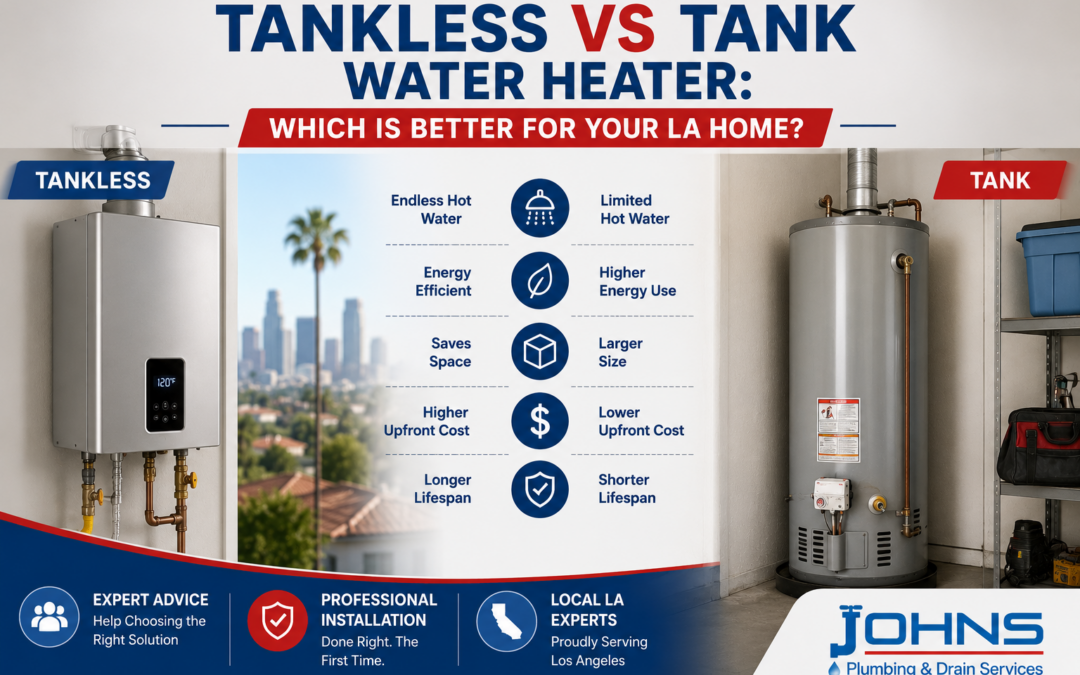
Switching to energy-efficient water heaters can significantly reduce energy consumption and operating costs. Several energy-efficient options are available, including:
1. Tankless Water Heaters: By heating water on-demand, tankless water heaters eliminate the need to maintain a large hot water tank, thus reducing energy usage and associated costs.
2. Solar Water Heaters: Harnessing solar energy to heat water is an environmentally friendly and cost-effective alternative to traditional water heating methods.
3. Heat Pump Water Heaters: Heat pump water heaters utilize energy from the air or ground to generate hot water, offering a highly efficient and eco-friendly solution.
Smart Plumbing Technologies
Advanced smart plumbing technologies can provide further benefits regarding efficient water usage and environmental conservation. Consider implementing the following smart devices:
1. Smart Water Meters: These devices can measure water usage more accurately, enabling users to identify inefficient water practices and implement necessary changes.
2. Leak Detection Sensors: These sensors can alert homeowners to any leaks in their plumbing system, allowing for prompt repairs and reduced water waste.
3. Smart Irrigation Systems: Programmable irrigation systems can help you maintain a healthy garden while minimizing water waste through the use of weather data and moisture sensors.
Conclusion
As environmental awareness grows, the importance of implementing green plumbing practices and technologies in residential and commercial properties becomes increasingly apparent. By choosing eco-friendly solutions, you can actively contribute to a cleaner, more sustainable environment while enjoying lower utility bills and efficient plumbing systems. Remember to enlist the help of trusted professionals like John’s Plumbing & Drain Services in Los Angeles, CA, to assist you in implementing these strategies effectively.
Are you ready to explore sustainable plumbing practices and contribute to a greener planet? Get in touch with John’s Plumbing & Drain Services, your trusted residential and commercial plumbers in Los Angeles, CA. Schedule a consultation with our skilled team today and discover how we can help you adopt environmentally friendly practices and improve your property’s plumbing efficiency.