Nobody thinks about plumbing when it works. The hot water is hot, the drains are fast, and the toilets flush without drama. Then something breaks, and suddenly plumbing is the only thing you can think about — usually at the worst possible time.
An annual plumbing inspection is the boring but effective habit that keeps most emergencies from happening in the first place. For Glendale homeowners living in homes that are 30, 50, or even 70 years old, it is not optional — it is essential.
What an Inspection Covers
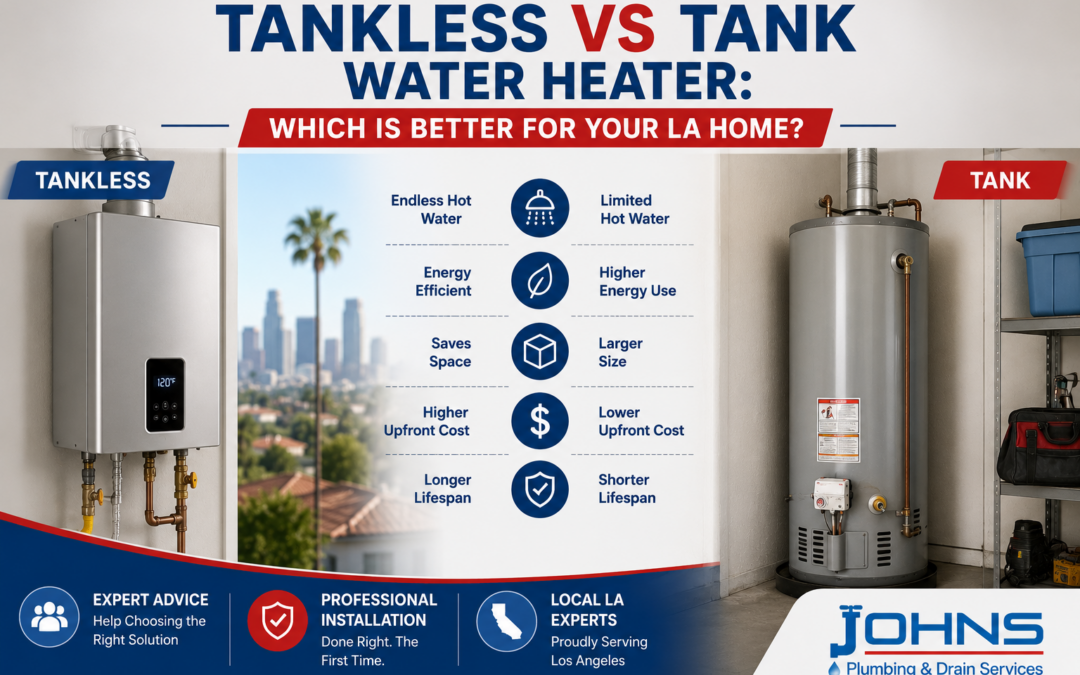
A thorough residential plumbing inspection includes a visual examination of all accessible supply lines, drain pipes, and fixtures. The plumber checks for active leaks, corrosion, mineral deposits, and signs of wear. Water pressure is tested at multiple points to identify restrictions or regulator issues. The water heater gets a full check — temperature setting, anode rod condition, relief valve function, and signs of tank deterioration.
Toilets are tested for internal leaks that waste water silently. Faucets are checked for dripping and smooth operation. Under-sink supply connections and shut-off valves are inspected for corrosion and seepage. Outdoor hose bibs and irrigation connections get a look as well, since outdoor plumbing problems are easy to miss until they cause foundation damage.
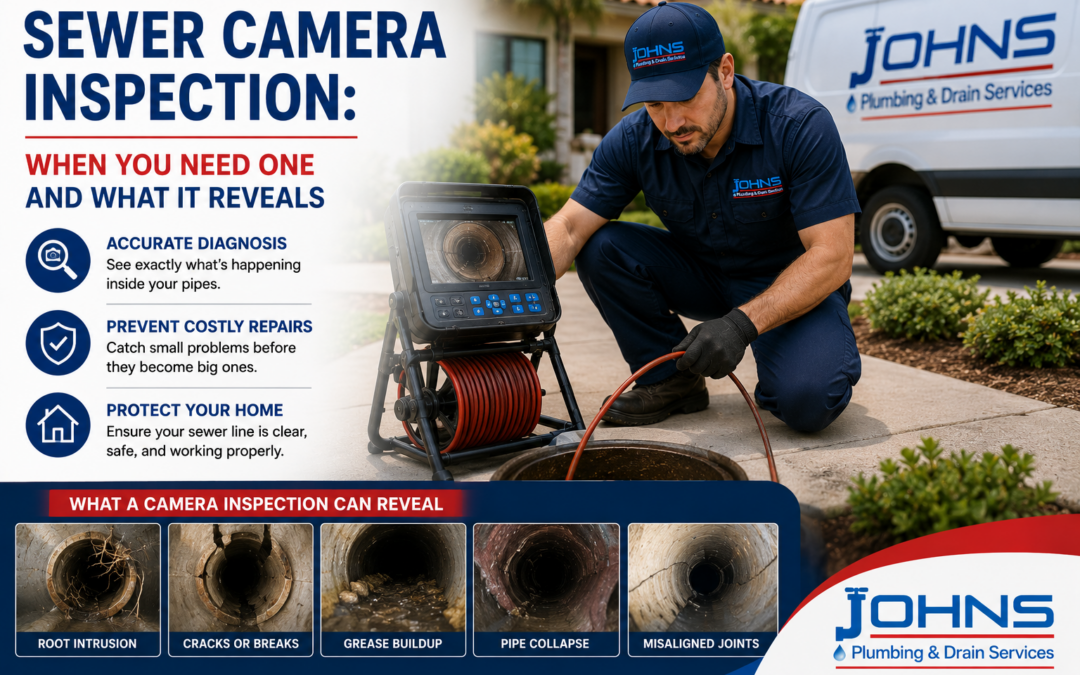
For Glendale homes with older sewer laterals, the inspection should include a recommendation for periodic sewer camera inspection to check for root intrusion, bellied sections, and pipe deterioration that visual inspection from above ground cannot detect.
Why Glendale Homes Need This More Than Most
Glendale has a concentration of mid-century residential properties with plumbing materials and configurations that are inherently more prone to age-related failure than modern systems. Galvanized supply lines, cast iron drain stacks, and clay sewer laterals were all standard when most Glendale neighborhoods were built. Each material has a finite lifespan, and most have reached or exceeded it.
An annual inspection tracks the rate of deterioration so you can plan and budget for repairs or replacements before they become emergencies. Knowing that your galvanized lines are showing moderate internal corrosion is useful information — it means you have time to schedule a repipe on your terms rather than reacting to a burst pipe on a holiday weekend.
The California State Water Resources Control Board emphasizes that proactive plumbing maintenance is a key component of residential water conservation, since hidden leaks in aging systems waste significant volumes of water annually.
What It Costs vs What It Saves
A professional plumbing inspection for a single-family Glendale home typically costs between $150 and $300, depending on the scope. A single emergency service call for a burst pipe, slab leak, or sewer backup can easily cost $1,000 to $5,000 or more once you factor in repair, cleanup, and any resulting water or structural damage.
The inspection itself is not the savings — the savings come from what the inspection prevents. Catching a developing slab leak early means a spot repair instead of foundation work. Identifying a failing water heater before it bursts means a controlled replacement instead of an emergency flood. Detecting root growth in a sewer lateral early means hydro jetting instead of excavation.
How to Schedule
Pick a consistent time each year — many Glendale homeowners tie it to the beginning of fall before rain season, or to their annual HVAC service appointment. A trusted Glendale plumber who knows your home’s history can spot changes from year to year that a first-time visitor would miss.
The best plumbing emergency is the one that never happens. An annual inspection is how you make that happen.