Having a reliable water heater is essential for everyday comfort. From warm showers to hot water for cleaning dishes, the right water heater can make a big difference. With so many options out there, choosing the best one for your home can be overwhelming. Each type of water heater has its own advantages, and understanding these can help you make an informed decision.
When picking a water heater, consider factors like energy efficiency, fuel type, size, and budget. These elements play a crucial role in determining which model will best meet your household’s needs. Selecting the right water heater not only provides convenience but also helps save on energy costs and benefits the environment.
In this article, we’ll explore the different types of water heaters available, key factors to consider when making your choice, and the benefits of modern water heaters. Whether you’re replacing an old unit or installing a new one, this guide will help you find the perfect water heater for your home.
Types of Water Heaters
Tankless Water Heaters
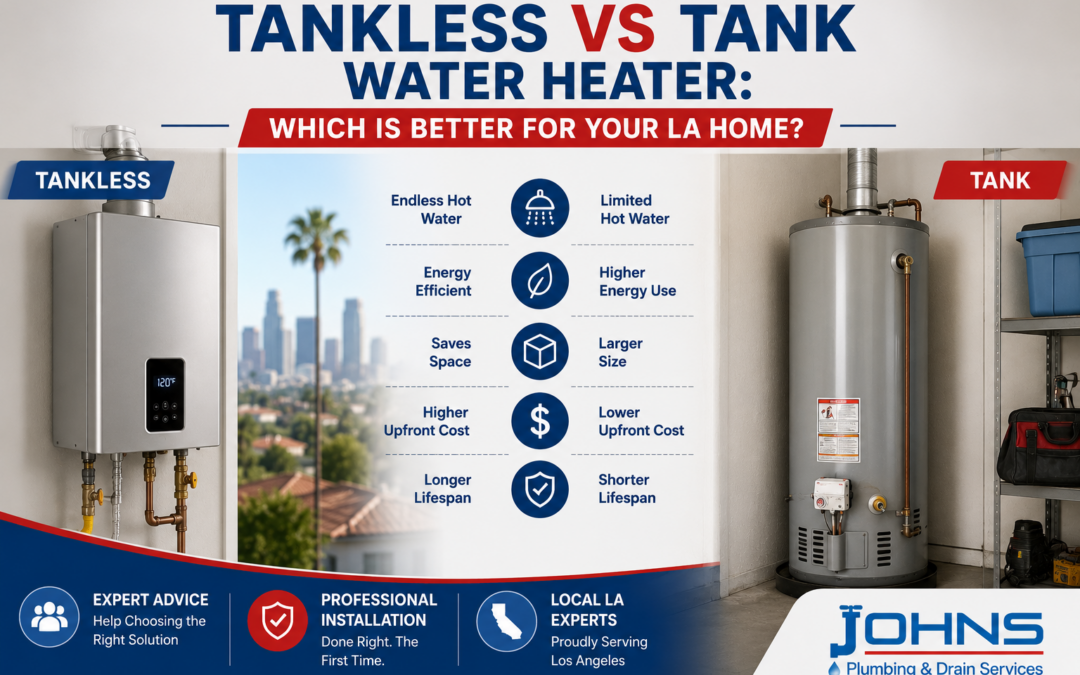
Tankless water heaters are a popular choice for many homeowners. They heat water on demand, which means they don’t store hot water in a tank. This can save energy since you’re not constantly keeping a tank of water hot. Tankless water heaters are also smaller and can be installed in tight spaces, making them ideal for smaller homes. However, they may have limitations on flow rate, especially if you need hot water in multiple places at once.
Storage Tank Water Heaters
Storage tank water heaters are the most common type found in homes. They come with an insulated tank that stores a large volume of hot water, ready for use. These heaters are typically less expensive up front than tankless models and can provide hot water for multiple uses at the same time. However, they do take up more space and can be less energy-efficient since the tank keeps water hot continuously.
Heat Pump (Hybrid) Water Heaters
Heat pump water heaters, also known as hybrid water heaters, use electricity to move heat from the air or ground to heat water. They are highly energy-efficient and can significantly lower your electricity bills. These heaters perform best in areas where temperatures remain consistently warm. They tend to be more expensive initially but offer savings over time due to their efficiency.
Solar Water Heaters
Solar water heaters use energy from the sun to heat your water. These systems are usually installed on the roof where they can catch the most sunlight. They are an eco-friendly option, reducing your reliance on fossil fuels and lowering your energy bills. Solar water heaters require a higher initial investment and are best suited for sunny climates. They often include a backup system for cloudy days or high-demand times.
Factors to Consider When Choosing a Water Heater
Energy Efficiency
When choosing a water heater, energy efficiency is a crucial factor. An energy-efficient water heater will use less power, leading to lower energy bills. Look for models with high energy efficiency ratings, such as those with the Energy Star label. While these units might have a higher upfront cost, they can save you money in the long run.
Fuel Type and Availability
Deciding on the type of fuel your water heater uses is important. Common fuel types include electricity, natural gas, propane, and solar energy. The availability of these fuels in your area can influence your choice. For instance, if natural gas is readily available and cheaper in your location, a gas water heater might be the best option.
Size and Capacity
The size and capacity of a water heater should match your household’s needs. If you have a large family or use a lot of hot water, you’ll need a unit with a larger capacity. Tankless water heaters should be chosen based on their flow rate to ensure they can handle your peak usage times. Make sure to measure the space available for installation, particularly for larger tank models.
Cost and Budget
Budget is another important consideration. While tankless water heaters and solar models might offer long-term savings, their initial costs are higher. Storage tank water heaters are usually less expensive to purchase and install. Consider both the initial cost and potential energy savings when making your decision. It’s also wise to factor in maintenance costs, as some water heaters require more upkeep than others.
Choosing the best water heater involves evaluating these factors to find a model that meets your needs and fits your budget. Whether you prioritize efficiency, fuel type, or capacity, there are options available to ensure you have a reliable source of hot water.
Benefits of Modern Water Heaters
Long-Term Cost Savings
Modern water heaters often come with advanced technology that makes them more energy-efficient. For instance, tankless water heaters and heat pump water heaters can significantly lower your utility bills since they use less energy to heat water. Over time, these savings can add up, making the higher initial cost worth it. Switching to an energy-efficient model can be a smart financial move that pays off in the long run.
Environmental Benefits
Upgrading to a modern water heater can also be beneficial for the environment. Energy-efficient models use less fuel, reducing greenhouse gas emissions. For example, solar water heaters use renewable energy, minimizing your carbon footprint. Even electric heat pump water heaters can be more environmentally friendly if your electricity comes from renewable sources. Choosing a green option helps reduce your impact on the planet.
Improved Performance and Convenience
Newer water heaters usually offer better performance compared to older models. They can heat water more quickly and maintain a steady supply so you won’t run out of hot water during a shower. Modern water heaters also come with user-friendly features like digital displays and Wi-Fi connectivity for easy monitoring and control. These conveniences can improve your daily experience and make managing your home’s hot water system simpler.
When to Replace Your Water Heater
Signs of an Aging or Failing Water Heater
Knowing when to replace your water heater is crucial. Some signs that it might be time include inconsistent water temperatures, rusty or discolored water, and strange noises coming from the tank. If your water heater is more than 10-15 years old, it’s probably nearing the end of its lifespan. Frequent repairs can also be a sign that a replacement is needed.
Advantages of Upgrading to a Newer Model
Upgrading to a new water heater can offer many advantages. New models are generally more energy-efficient, helping you save on utility bills. With advances in technology, newer water heaters can provide a more reliable supply of hot water. They are also designed to be safer, reducing the risk of leaks and other hazards. Upgrading can give you peace of mind and improved performance.
Tips for Maintaining Your Water Heater to Extend Its Lifespan
Regular maintenance can help extend the life of your water heater. Flushing the tank annually to remove sediment buildup is a good practice. Checking the anode rod and replacing it if it’s worn out can prevent rust and improve longevity. Insulating the tank and pipes can also help improve efficiency. By keeping up with these simple maintenance tasks, you can ensure your water heater runs smoothly and lasts longer.
Conclusion
Choosing the best water heater for your home involves understanding the different types available, considering key factors like energy efficiency and capacity, and recognizing the benefits that modern systems offer. By selecting the right water heater, you not only enjoy consistent, reliable hot water but also save money and help the environment.
Replacing an old, inefficient water heater with a newer model can provide significant long-term savings and performance improvements. Regular maintenance further extends the life of your unit, ensuring you get the most out of your investment.
Ready to upgrade your water heater? Contact John’s Plumbing & Drain Services today to explore your options and find the perfect fit for your home. Let the best plumbers in Los Angeles help you enjoy a more efficient and comfortable living space.