Choosing the right water heater for your family is an important decision. It affects your utility bills, comfort, and overall energy consumption. With so many types available, it can be confusing to determine which one best fits your needs. This guide will help you navigate through the options and make an informed choice.
Water heaters come in various types, each with its own advantages. Whether you’re considering a conventional storage heater, a tankless model, a heat pump, or even a solar-powered unit, it’s crucial to understand how each one works. Knowing the differences will help you select a water heater that meets your family’s hot water demands efficiently.
When selecting a water heater, several factors need to be considered. This includes energy efficiency, size, fuel type, and cost. Balancing the initial purchase price with long-term savings from energy-efficient models can make a significant difference in your household budget. Additionally, modern water heaters offer many benefits, such as on-demand hot water and lower energy bills.
Finally, professional installation and regular maintenance are key to ensuring your water heater runs smoothly. Proper installation can prevent issues and extend the life of your unit. Regular upkeep can help avoid emergency repairs, ensuring that you always have hot water when you need it.
So, let’s explore how to find the best water heater for your family and ensure it serves you well for years to come.
Understanding Different Types of Water Heaters
Conventional Storage Water Heaters
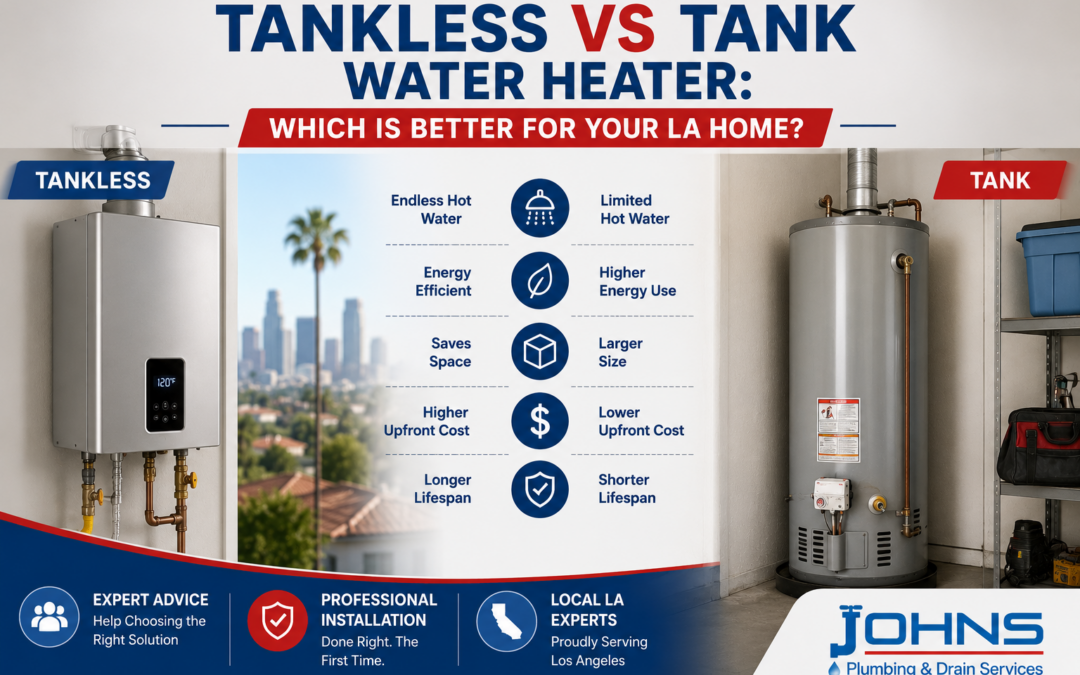
Conventional storage water heaters are the most common type found in homes. They work by heating a large tank of water and keeping it hot until needed. These tanks typically hold between 20 to 80 gallons of water. The heater kicks in periodically to maintain the set temperature. While they are usually more affordable to purchase, they can result in higher energy bills due to the continuous heating.
Tankless Water Heaters
Tankless water heaters, also known as on-demand water heaters, heat water only when you need it. They don’t store hot water but instead use powerful heating coils to heat water as it passes through. These units are more energy-efficient since they don’t waste energy warming unused water. Although the upfront cost is higher, they can save you money over time due to lower energy use and longer lifespan.
Heat Pump Water Heaters
Heat pump water heaters use electricity to move heat from the air or ground to heat water. They are highly energy-efficient and can significantly reduce energy bills. These heaters are best suited for warm climates as they don’t work as efficiently in cold weather. The initial cost is higher, but the long-term savings can be substantial.
Solar Water Heaters
Solar water heaters use energy from the sun to heat water. These systems include solar collectors and a storage tank. They are most efficient in sunny areas and can dramatically reduce energy costs. However, they come with a high initial cost and may require a backup system for cloudy days or increased hot water demand.
Factors to Consider When Choosing a Water Heater
Energy Efficiency
Energy efficiency is a crucial factor when choosing a water heater. Look for units with the Energy Star label, which indicates they meet specific efficiency standards. High-efficiency models use less energy, leading to lower utility bills. Consider the annual operating costs to get a full picture of the savings you can expect.
Size and Capacity
Choosing the right size and capacity ensures your water heater meets your family’s needs. Calculate your household’s peak hot water demand to determine the gallons needed per minute for tankless heaters or gallons per hour for storage models. An undersized unit may struggle to provide enough hot water, while an oversized one can waste energy.
Fuel Type
Water heaters can be powered by different fuel types like electricity, natural gas, propane, or solar energy. The right fuel type depends on your home’s existing setup and availability. Electric heaters are easy to install and widely available, while gas heaters are typically more efficient and cost-effective in the long run. Solar heaters offer the most environmental benefits but require a sunny location and higher initial investment.
Initial Cost vs. Long-Term Savings
While it’s tempting to go for the cheapest option, consider the long-term savings potential. Energy-efficient models may cost more upfront but save money on utility bills over time. Calculate the total cost of ownership, including purchase price, installation, maintenance, and operating costs, to make an informed decision. Balancing initial costs with long-term savings ensures you get the best value for your investment.
Benefits of Modern Water Heater Technology
On-Demand Hot Water With Tankless Heaters
One of the main benefits of modern water heater technology is the ability to have on-demand hot water with tankless heaters. These systems heat water only when you need it, meaning you don’t have to wait for a tank to fill up and reheat. This provides endless hot water for showers, dishes, and more, which is especially helpful in larger households where hot water demand is high.
Lower Energy Bills With Energy-Efficient Models
Modern water heaters are designed to be more energy-efficient, which can significantly lower your energy bills. Energy-efficient models, such as heat pump and solar water heaters, use less power to heat water, leading to savings each month. While these options might have a higher upfront cost, the reduction in monthly energy expenses can make them worth the investment.
Environmental Impact of Various Water Heaters
Choosing the right water heater can also have a positive impact on the environment. Energy-efficient and solar water heaters reduce the amount of fossil fuels needed to heat your water, thereby lowering your carbon footprint. By opting for environmentally friendly options, you contribute to the reduction of greenhouse gas emissions and help to protect the planet for future generations.
Professional Installation and Maintenance
Importance of Professional Installation
Having your water heater professionally installed is crucial for ensuring it runs efficiently and safely. Professional plumbers have the expertise to install your unit correctly, adhering to all local codes and regulations. Improper installation can lead to leaks, inefficient operation, and even potential hazards such as gas leaks or electrical issues.
Regular Maintenance Tips
Regular maintenance is key to prolonging the life of your water heater and ensuring it operates efficiently. Here are some simple maintenance tips:
– Flush the tank annually to remove sediment buildup.
– Check the pressure relief valve for proper function.
– Inspect the anode rod and replace it if necessary to prevent corrosion.
Signs You Need Water Heater Repair or Replacement
Knowing when to repair or replace your water heater can save you from unexpected breakdowns. Here are some signs that indicate it’s time for professional help:
– Water is not as hot as it used to be or inconsistent temperatures.
– Strange noises such as banging or popping sounds from the tank.
– Rusty or discolored water could indicate pipe or tank corrosion.
Conclusion
Choosing the best water heater for your family involves understanding the different types available, considering key factors like energy efficiency and size, and recognizing the benefits of modern technology. It’s also essential to ensure proper installation and maintenance to keep your water heater running smoothly and efficiently for years to come. By being informed and proactive, you can select a water heater that meets your family’s needs and helps you save on energy costs.
If you need help choosing or installing a new water heater, or if you suspect your current one needs repair, don’t hesitate to reach out to the best plumbers in Los Angeles. Contact us at John’s Plumbing & Drain Services for expert advice and professional plumbing solutions to ensure you always have hot water when you need it.