When the plumbing works in a commercial building, nobody notices. When it fails, everybody notices — and the consequences go far beyond inconvenience. A backed-up restroom in a Los Angeles restaurant can trigger a health department citation. A water heater failure in a salon means canceling an entire day of appointments. A main drain clog in an office building sends tenants scrambling and phones ringing with complaints.
Commercial plumbing maintenance is not optional. It is a direct investment in business continuity.
Monthly Checks Any Manager Can Handle
Walk the building monthly and look for the basics. Check under all sinks for dripping supply lines or drain leaks. Flush every toilet and confirm they fill and stop properly — a running toilet wastes thousands of gallons a month. Test water pressure at multiple locations and note any fixtures with noticeably weak flow. Inspect the water heater for pooling water, rust, or unusual noises during operation.
Check floor drains in kitchens, restrooms, and utility areas. Dry floor drain traps allow sewer gas to enter the building, creating odor complaints and potential health code issues. Pour a gallon of water into floor drains monthly to keep the trap seal intact.
Quarterly Professional Service
Schedule a licensed plumber for quarterly preventive maintenance that goes beyond what a visual walkthrough catches. This should include professional drain cleaning on high-use lines — especially kitchen drains in food service buildings where grease buildup is constant. Hydro jetting on a quarterly schedule keeps commercial drain lines clear and prevents the kind of sudden backup that closes a business mid-shift.
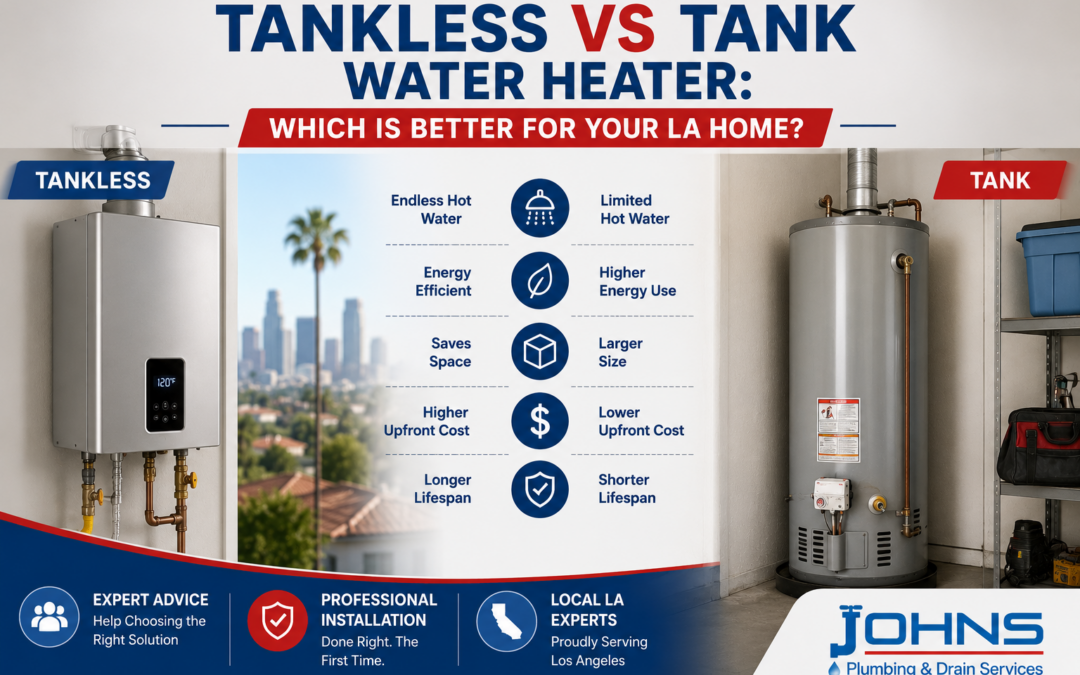
Commercial water heaters work harder than residential units and should be inspected quarterly for sediment buildup, anode rod condition, and proper thermostat calibration. A failing commercial water heater can leak hundreds of gallons into a commercial space, damaging inventory, equipment, and flooring.
The Occupational Safety and Health Administration requires that workplaces provide sanitary facilities for employees, and building codes enforced by the City of Los Angeles mandate that commercial plumbing meets specific standards for fixture count, backflow prevention, and grease management.
Annual Deep Maintenance
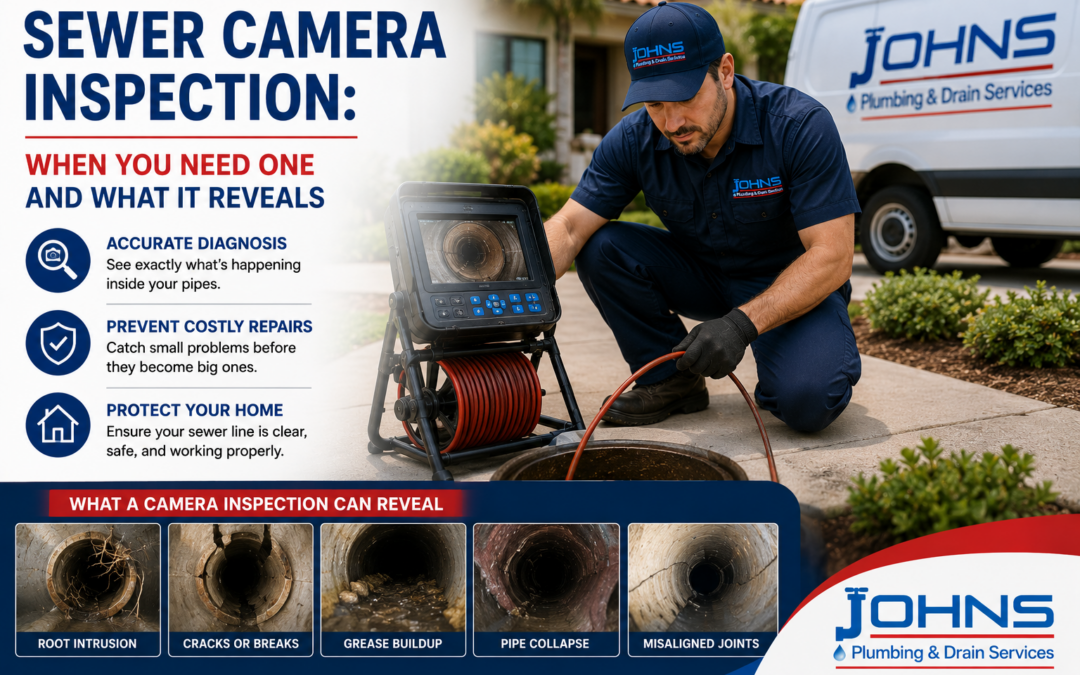
Once a year, invest in a comprehensive plumbing assessment that includes a sewer camera inspection of the main lateral and primary drain branches. Root intrusion, scale buildup, and structural damage in underground lines are invisible until they cause a major failure. Annual camera work catches developing problems before they escalate.
This is also the time to have backflow prevention devices tested and certified, which is required by the LA Department of Water and Power for commercial properties with irrigation systems, boiler connections, or fire suppression systems.
Review the age and condition of all exposed piping, valves, and supply connections. Commercial buildings with original plumbing that has never been updated are carrying significant risk. A proactive repiping or targeted line replacement during a planned closure is always better than an emergency repair during peak business hours.
Build a Relationship Before You Need One
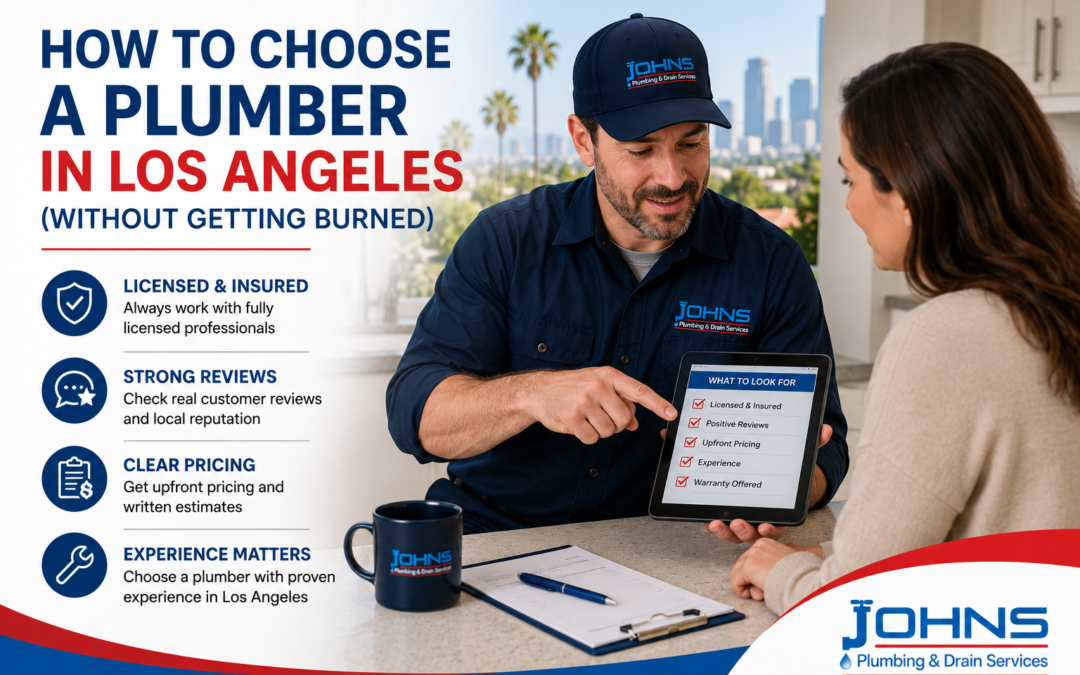
The worst time to find a commercial plumber is during an emergency. Establish a relationship with a plumbing company experienced in commercial service before something breaks. Priority service agreements and regular maintenance contracts give you faster response times and a team that already knows your building’s plumbing layout.
Every dollar spent on prevention returns multiple dollars in avoided emergency repairs, avoided business closures, and avoided regulatory headaches. Commercial plumbing maintenance is not glamorous, but it is the backbone of any building that keeps the lights on and the doors open.