Los Angeles sits along some of the most active fault lines in North America. Earthquakes are not a possibility here — they are an inevitability. And while most people prepare by securing bookshelves and stocking emergency kits, one of the most important safety measures is hidden in a small device mounted near your gas meter.
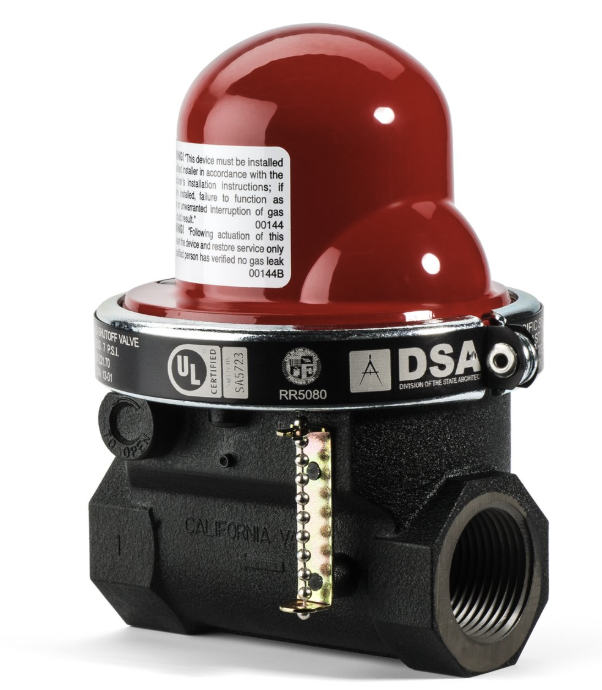
An earthquake gas shutoff valve — also called a seismic gas shutoff valve — automatically stops the flow of natural gas into your home when it detects ground movement above a certain threshold. This prevents gas leaks that can lead to fires and explosions in the chaotic aftermath of a significant quake when broken appliances and damaged gas lines may be venting into your home undetected.
How the Valve Works
Seismic gas shutoff valves contain a weighted mechanism calibrated to trip at specific vibration levels, typically in the range of a magnitude 5.0 or greater earthquake at close range. When the shaking exceeds the trigger threshold, an internal component drops and blocks the gas line. The valve must then be manually reset by a qualified professional after the home has been inspected for damage, preventing gas from flowing back into a potentially compromised system.
These devices are installed on the gas supply line between the meter and the first branch line entering the home. Installation takes a licensed plumber a few hours and does not require shutting down your gas service for an extended period.
What California Law Says
The California Office of the State Fire Marshal has approved seismic gas shutoff valves as recognized safety devices, and many local municipalities across the greater LA area require their installation at the time of property sale or major renovation. While the state does not currently mandate retrofitting all existing homes, the trend is moving in that direction, and insurance companies increasingly offer premium discounts for homes equipped with the valves.
The City of Los Angeles requires seismic shutoff valves on all new construction and strongly recommends them for existing residential properties. Given that LA has experienced multiple significant earthquakes in recent decades, this is not bureaucratic overcaution — it is common sense.
The Risk of Not Having One
After a strong earthquake, ruptured gas lines are one of the primary causes of post-quake fires. The 1994 Northridge earthquake triggered over 100 structure fires, many caused by broken gas connections inside homes where appliances shifted or fell. In a scenario where water mains are also broken — limiting firefighting capacity — a single gas-fed fire can destroy an entire block.
If you are home when a quake hits, you may be able to manually shut off gas at the meter using a wrench. But if you are at work, traveling, or injured, that manual option disappears. An automatic valve does not need you to be present, conscious, or calm. It simply works.
Who Should Install It
This is not a weekend DIY project. Gas line work requires a licensed plumber who is specifically trained and certified to work on gas systems. Improper installation can create exactly the kind of leak hazard the valve is meant to prevent. A professional plumbing company with gas line experience will ensure the valve is properly rated, correctly positioned, and compliant with local codes.
While the plumber is at your gas meter, it is also a good time to have your gas supply line and appliance connections inspected for corrosion, loose fittings, or aging flexible connectors that may need replacement. An annual plumbing inspection that includes gas system components is one of the smartest things you can do as an LA homeowner.
A Small Investment in Major Protection
Compared to the cost of a water heater replacement or a sewer line repair, an earthquake gas shutoff valve is one of the most affordable plumbing safety upgrades available. It protects your home, your family, and your neighbors from a risk that is not theoretical in Los Angeles — it is geological certainty.