Clogged drains are a common annoyance in many households. Blockages can disrupt daily routines and cause a frustrating mess, from the kitchen sink to the bathroom shower. Understanding how these clogs occur and knowing how to fix them can save you time and money.
Knowing the right steps makes managing everyday drain issues a breeze, whether you’re dealing with a current blockage or aiming to prevent one.
Common Causes of Clogged Drains
Clogged drains often occur due to various everyday activities. Understanding these common causes helps prevent blockages and keeps your plumbing system flowing smoothly.
Hair, soap, and grease buildup are the usual suspects in many homes. In the bathroom, hair can easily accumulate in drains, mixing with soap residue to create tough clogs. Grease, on the other hand, often solidifies in kitchen sinks. Even small amounts of grease can stick to pipe walls, trapping food particles and leading to blockages.
Another frequent cause is the presence of foreign objects and mineral deposits. Items like food scraps, sanitary products, and even small toys can get into drains, creating significant obstructions. Additionally, mineral deposits from hard water gradually build up inside pipes, reducing water flow and contributing to clogs over time.
To keep your drains clean, consider what goes down your sinks and showers and try to minimize substances known to cause problems. Being mindful of these factors can go a long way in preventing annoying drain blockages.
DIY Methods to Unclog Drains
When faced with a clogged drain, you can attempt several simple DIY methods before calling a professional. Two effective tools are a plunger and a drain snake. A plunger is useful for blockages in sinks and toilets. Press it firmly over the drain to create suction, then pull up quickly. This action can break up or loosen clogs.
A drain snake, or plumber’s snake, is a flexible tool that reaches into pipes to dislodge stubborn clogs. Insert the snake into the drain until you feel resistance, then rotate it to hook the blockage. Pull it out along with any debris.
Homemade solutions like baking soda and vinegar can also help. Pour a cup of baking soda down the clogged drain, followed by a cup of vinegar. The fizzing reaction between these two ingredients can break down grease and grime. After 15–30 minutes, flush the drain with hot water to clear the loosened debris.
List of DIY methods:
– Plunger: Ideal for sinks and toilets.
– Drain Snake: Effective for deeper clogs.
– Baking Soda & Vinegar: Natural cleaning reaction.
These DIY methods can be effective for minor clogs, helping restore the flow in your drains without needing immediate professional intervention.
When to Call a Professional Plumber
Despite your best efforts, some clogs may require a professional’s touch. Recognizing the signs of a serious clog helps prevent further damage to your plumbing system. If a drain continues sluggish or completely blocked after using DIY methods, it might indicate a more significant issue, such as a deep blockage or pipe damage.
Another sign to consider is foul odors coming from your drains. Persistent smells often signal organic buildup or a possible sewer line problem. Multiple slow drains in the house may indicate a comprehensive plumbing issue rather than isolated clogs, necessitating professional inspection.
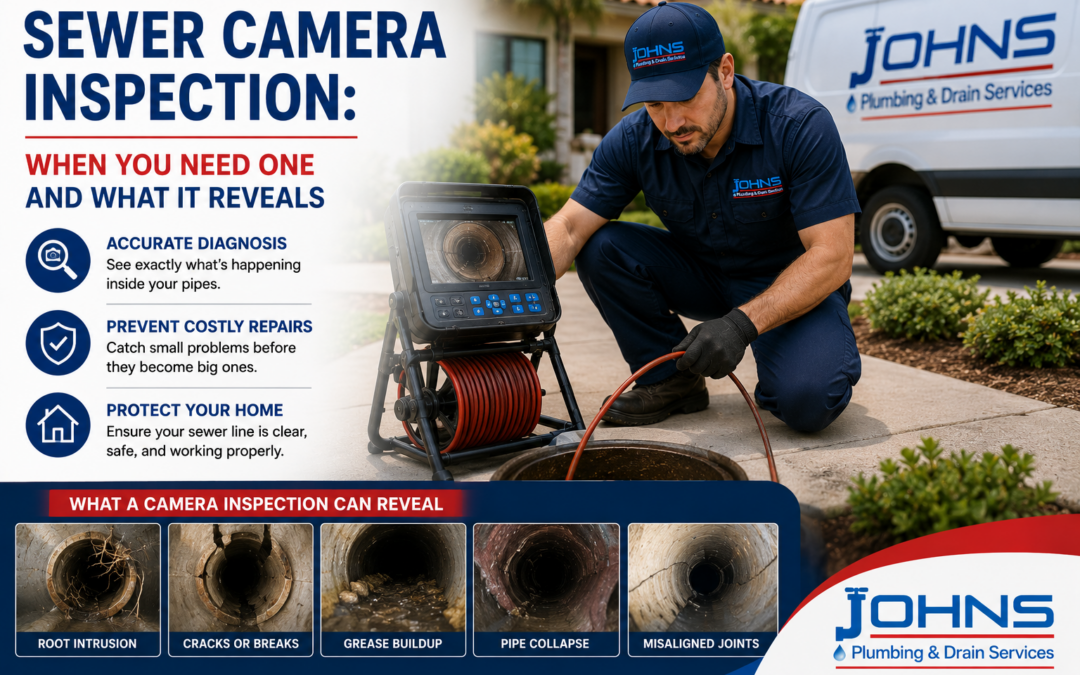
The benefits of calling a professional plumber include access to specialized tools and techniques that DIY methods cannot replicate. Professional plumbers use equipment like sewer cameras to diagnose hidden issues accurately. They also handle difficult cases with high-pressure jetting and advanced drain augers, offering thorough cleaning and lasting solutions.
Knowing when to seek help ensures your plumbing system remains in optimal condition, preventing costly repairs and inconveniences in the future.
Preventing Future Clogs
Taking preventive measures is crucial to keeping your drains clear and functional. Regular maintenance can go a long way in avoiding frequent clogs. Flushing drains with hot water weekly helps dissolve grease and soap residue. A monthly treatment with baking soda and vinegar clears minor buildup and keeps odors at bay.
Using drain screens is an effective way to prevent hair, food particles, and other debris from entering the pipes. These affordable tools catch unwanted materials before they cause blockages. Installing screens in sinks and showers reduces the need for constant unclogging.
Cleaning substances can also be helpful, but choose ones that are safe for your plumbing system to avoid damage. Avoid chemical drain cleaners, as they can corrode pipes over time. Instead, opt for eco-friendly enzyme cleaners that break down organic matter safely.
Consider these preventive steps:
– Hot Water Flushes: Do weekly to reduce grease and residue.
– Drain Screens: Use in sinks and showers to catch debris.
– Eco-Friendly Cleaners: Choose safe alternatives to harsh chemicals.
Adopting these habits reduces the risk of frequent clogs and extends the life of your plumbing system, keeping everything running smoothly.
Conclusion
Managing clogged drains involves understanding both prevention and solution strategies. You maintain smooth drainage with minimal hassle by identifying common causes and implementing simple DIY fixes. When clogs exceed your DIY skills, professional services provide necessary support to restore normalcy and prevent lasting damage.
Are clogged drains affecting your daily life? Contact John’s Plumbing & Drain Services for expert assistance tackling tough clogs. Our skilled team offers clogged drain services to keep your plumbing in top shape, providing peace of mind and uninterrupted service in your home.