Quick Answer: Hard water in water heater systems shortens lifespan by leaving scale buildup, mineral deposits, and sediment buildup (mainly calcium and magnesium) that create an insulating layer on the heating element, reduce heating efficiency, and increase energy consumption. That forces longer run times, causes pressure buildup, accelerates corrosion and rust, and speeds premature wear and tear. The fix is simple: confirm water hardness, flush/descend on a schedule, protect the anode rod, keep temperature near 120°F, and consider treatment (softening/filtration) to slow calcium carbonate formation. With consistent maintenance, you can often regain performance and avoid premature replacement.
Why Hard Water in Water Heater Systems Wears Them Out Faster
If your water heater makes popping noises, that’s often trapped water flashing to steam under a thick sediment layer at the tank bottom sediment zone, one of the most common “hard water” clues.
Hard water is mineral-rich water with high dissolved minerals, especially calcium and magnesium. This water hardness typically comes from water moving through limestone, gypsum, and chalk deposits before it reaches your home. In many regions, groundwater / water sources also carry higher mineral load, depending on geology and treatment blending.
Here’s the core issue: when you heat hard water, minerals precipitate faster and form mineral deposits and calcium carbonate. That becomes a scale buildup, the chalky, crusty coating that clings to the tank, valves, and the heating element (electric). Over time, the scale becomes an insulating layer (insulation effect) that blocks heat transfer, so the unit has to work harder, causing longer heating cycles and more wear.
Bottom line: Hard water in water heater setups reduces performance first then it reduces lifespan.
The Chain Reaction That Cuts Lifespan
Hard water doesn’t “break” a heater in one day. It triggers a predictable chain reaction:
- Mineral buildup settles and hardens into scale buildup.
- Scale forms an insulating barrier → reduced efficiency and heating efficiency losses.
- The heater runs longer → water heater works harder and creates increased energy consumption / energy usage.
- Higher internal temperatures and stress → pressure buildup and metal fatigue.
- Parts degrade faster → premature wear and tear / premature replacement.
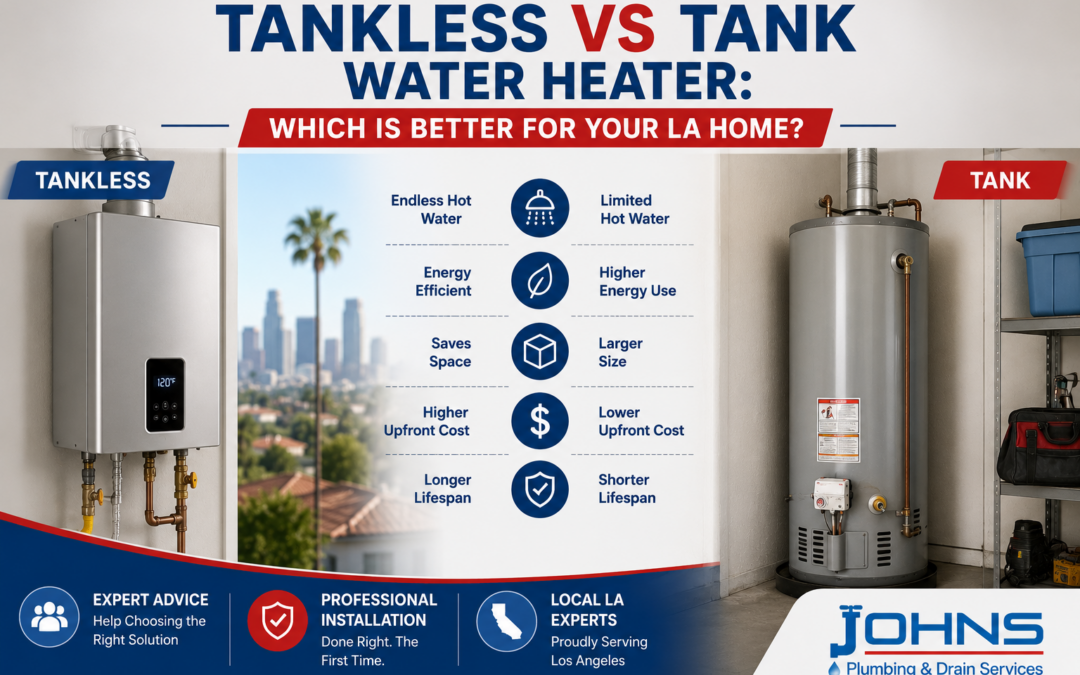
This affects both tank and tankless designs, but in different ways:
- Tank units: heavy sediment buildup accumulates at the bottom.
- Tankless units: minerals cause clogged small pipes (tankless) and restricted water flow, which can produce uneven heating and fluctuating water temperature.
Tank vs. Tankless-How Scale Attacks Each Type
Traditional Tank Water Heaters
In a tank model, mineral deposits sink and collect as sediment buildup at the bottom. That sediment layer becomes thicker over months and can create hot spots. Those hot spots drive noise (rumbling/popping), stress the tank lining, and raise failure risk.
Common impacts include:
- Slow heating times
- Longer heating cycles
- Increased energy costs
- More stress that can lead to cracks and leaks (tank failure risk)
Tankless Water Heaters
A tankless unit is sensitive to mineral concentration because its passages are narrower. Scale can cause clogged small pipes (tankless), limit flow, and create uneven heating.
Common impacts include:
- Reduced hot water output
- Inconsistent water temperature
- Fluctuating water temperature
- Sudden shutdowns when sensors detect overheating or restricted flow
When heavy mineral deposits restrict internal passages and descaling no longer restores stable performance, it may be time to consult emergency tankless water heater experts. Severe scaling can overheat the heat exchanger, trigger safety shutdowns, and accelerate internal component damage if left unaddressed.
The 10 Warning Signs Hard Water Is Damaging Your Heater
Use this list to “triage” what you’re seeing.
- Hot water runs out faster (reduced hot water output)
- Water takes longer to get hot (slow heating times)
- Higher bills (increased energy consumption / energy usage)
- Rumbling, popping, or crackling (steam under tank bottom sediment)
- White chalky residue on fixtures (scale buildup)
- Reduced flow at hot taps (restricted water flow)
- Temperature swings (inconsistent water temperature)
- Frequent element issues (heating element failure)
- Discolored water hints at rust and internal wear
- Small leaks that worsen into bigger cracks and leaks (tank failure risk)
If you’re also getting lukewarm water from the water heater, scale on heat transfer surfaces and partial restrictions are high on the suspect list.
How Long Does a Water Heater Last With Hard Water?
A typical tank water heater often lasts 8–12 years under average conditions. With hard water, many homes see meaningful lifespan reduction, sometimes 1–3 years sooner, depending on severity and maintenance consistency.
Why Lifespan Drops
- Scale forces longer run times → more stress on metal and components
- Minerals accelerate corrosion and rust
- Stress + corrosion increases leak probability and internal failure
Reality check: You can’t change geology, but you can change how fast scale forms and how long it stays inside the unit.
What Hard Water Is Doing Inside Your Heater
| Hard Water Effect | What It Builds | What It Causes | End Result |
| High dissolved minerals | mineral deposits, calcium carbonate | scale buildup on surfaces | reduced efficiency |
| Repeated heating cycles | thicker sediment buildup | insulating layer (insulation effect) | water heater works harder |
| Narrow passages (tankless) | clogged small pipes (tankless) | restricted water flow | uneven heating |
| Heat + minerals + metal | chemical reactions | corrosion, rust | failure risk rises |
| Tank stress | internal expansion cycles | pressure buildup | cracks and leaks (tank failure risk) |
Calcium Build-Up, Corrosion, and the Anode Rod Problem
One of the most overlooked failure paths is the anode rod also called a sacrificial anode rod. It’s designed to attract corrosive activity so the tank doesn’t rust out first.
Hard water speeds up anode depletion because calcium build up in the water heater increases chemical reaction potential. Once the anode is consumed, the tank metal becomes the target leading to accelerated corrosion and visible rust symptoms.
Tip: Check the anode every 2–3 years. Replace it before it’s heavily eaten away.
How to Get Rid of Hard Water in Water Heater
This section is your practical “do this next” guide. If you implement even half of it, you’ll slow scaling and extend life significantly.
Step-by-Step Tank Flush
- Turn power off (breaker for electric; gas to “pilot” or off).
- Let water cool if needed to avoid burns.
- Attach a hose to the drain valve and route to a safe drain.
- Open a hot faucet to relieve pressure.
- Drain the tank until clear-ish.
- Briefly open the cold inlet to stir and push out sediment.
- Repeat rinse until discharge looks cleaner.
- Close drain, refill tank fully, purge air, then restore power.
Quick fix: If draining is slow, sediment may clog the drain valve. Opening/closing the valve a few times can dislodge debris carefully.
Descaling a Tankless Unit
- Power off the unit.
- Close service valves (cold/hot).
- Connect hoses to service ports and a circulating pump.
- Circulate a manufacturer-approved descaler solution.
- Rinse thoroughly with clean water.
- Clean inlet screen filters, then restore service.
Tip: Annual descaling is a common baseline in hard water areas.
The “Temperature Setting” Trick That Slows Scale
Scale forms faster at higher temps. Keeping your thermostat near 120°F is a sweet spot that:
- Reduces scale acceleration
- Lowers energy usage
- Helps protect components from overheating stress
This matters even more in a hard water hot water heater setup, where minerals precipitate rapidly during heating.
Choosing Treatment: Softener vs. Filtration vs. Conditioning
If hard water is persistent, treatment is the long-term lever. A whole-house softener removes hardness minerals; filtration may improve taste/sediment but doesn’t always reduce hardness unless designed for it.
Treatment Options Compared
| Option | What It Targets | Best For | Notes |
| Water softener | calcium, magnesium | preventing new scale buildup | strongest lifespan protection |
| hard water filter for water heater | sediment + some scaling reduction | partial protection | verify it actually reduces hardness |
| Conditioner / descaler device | scale adhesion behavior | mild-to-moderate cases | results vary by water chemistry |
| Routine maintenance only | existing buildup control | budgets / light hardness | requires consistency |
The Two “Water Heater Hard Water” Mistakes That Age Units Early
People often lose years of life by repeating these:
- Ignoring maintenance until symptoms are loud
- Running hotter than needed (scale accelerates fast)
Even if you can’t install a softener immediately, flushing + temperature control dramatically slows water heater hard water damage patterns.
A second common scenario is water heater hard water buildup being mistaken for “the heater is just old,” when it’s really just insulated by scale and recoverable with cleaning and prevention.
Quick Fixes You Can Try Before It Gets Worse
These are safe, practical steps that often restore performance quickly (without turning the article into a DIY repair manual):
- Quick fix: Clean faucet aerators and showerheads to remove chalky residue this improves flow perception and confirms hardness symptoms.
- Quick fix: If hot water output is dropping, flush the tank and check inlet screens.
- Tip: Track heating time after a flush; if recovery improves, scale was a major contributor.
- Tip: Listen for new noises after maintenance persistent noise can indicate severe sediment or part wear.
If performance problems keep returning, that’s when it’s smart to involve 24/7 water heater technicians especially if you suspect internal corrosion or a failing valve.
What’s Happening to the Heating Element and Why It Fails
In electric units, scale coats the heating element (electric) and blocks heat transfer. The element runs hotter to compensate, increasing burnout risk and leading to heating element failure.
In gas units, heavy sediment at the bottom acts like insulation under the water, forcing the burner to run longer and sometimes overheating areas of the tank.
The Chemistry Side-Why Corrosion Risk Rises
Hard water minerals can contribute to electrochemical reactions, especially when the anode rod is depleted. When protective action is gone:
- corrosion accelerates
- rust appears sooner
- tank integrity weakens
- leak probability increases
Add in repeated expansion cycles from longer run times, and pressure buildup stress adds to the risk.
Maintenance Schedule That Actually Extends Lifespan
A realistic schedule beats a perfect schedule you never follow:
- Flush tank: every 6–12 months (more often with heavy hardness)
- Tankless descale: usually yearly baseline
- Inspect anode: every 2–3 years
- Check temperature: keep near 120°F
- Confirm hardness level: yearly or when symptoms change
Even if you prefer DIY flushing and temperature adjustments, having a professional inspect your unit every couple of years can prevent hidden corrosion and internal valve issues. Many homeowners schedule preventive inspections with an affordable plumbing company to test water hardness levels, check the sacrificial anode rod, and confirm that pressure settings are within safe limits before small issues turn into costly replacements.
Many homeowners pair this with a treatment system and see steadier performance and lower operating cost over time especially with calcium build up water heater conditions.
Protect Your Water Heater Before Hard Water Destroys It
Hard water in water heater systems doesn’t fail overnight but once corrosion and sediment reach a tipping point, damage accelerates fast. If you’re noticing reduced hot water output, rising energy bills, or rumbling tank sounds, it’s time to take action.
At John’s Plumbing & Drain Services, we specialize in diagnosing scale buildup, flushing sediment safely, checking heating elements, and protecting tanks from premature corrosion.
Whether your system needs maintenance, descaling, anode rod replacement, or full evaluation, our experienced team is ready to help.📞 Call: 3234227485 today to schedule your water heater inspection and extend the life of your system before expensive failure occurs.
FAQs About Hard Water in Water Heater
Does hard water in the water heater always cause early failure?
Yes, if untreated, hard water in water heater systems reliably reduces lifespan because scale and sediment force longer run times and increase corrosion risk. The severity depends on hardness level and maintenance frequency.
What’s the biggest sign my heater is suffering from scale?
The biggest sign is slower hot-water recovery plus rising energy use, often paired with noise and temperature swings. These symptoms point to insulating scale and sediment.
Can a flush fix performance issues?
Often, yes flushing can restore heating efficiency when sediment is the main problem. If corrosion or component failure is already advanced, flushing helps but may not fully reverse damage.
Do tankless units suffer more or less from hard water?
Tankless units can suffer faster performance loss because narrow passages scale up quickly, causing flow restriction and uneven heating. Regular descaling is critical.
Is lowering temperature really that effective?
Yes lowering to about 120°F slows scale formation and reduces system stress while keeping water comfortable for most households.
What’s the best long-term solution?
A water softener plus routine flushing/descaling is the strongest protection against scale, corrosion, and premature replacement.