Running a restaurant in Los Angeles is hard enough without sewage backing up through the kitchen floor drain during a Friday dinner rush. But that exact scenario plays out across the city more often than anyone in the industry likes to admit, and the cause is almost always the same — a neglected grease trap.
Grease traps exist for one purpose: to intercept fats, oils, and grease before they enter the sanitary sewer system. When they are maintained properly, they work quietly in the background. When they are not, the consequences hit fast and hit hard.
How Grease Traps Work
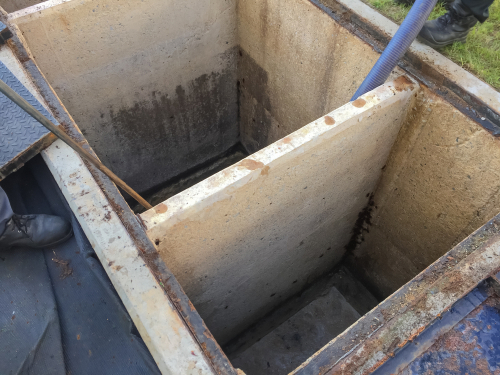
A grease trap is a plumbing device installed between the kitchen drain lines and the building’s connection to the sanitary sewer. Wastewater from sinks, dishwashers, and floor drains flows into the trap, where grease floats to the top and solids settle to the bottom. The relatively clean water in the middle passes through to the sewer.
The problem is capacity. As the grease layer thickens and the solids accumulate, the trap’s effective volume shrinks. Eventually, grease begins passing through to the sewer line where it cools, solidifies, and sticks to the pipe walls. That buildup restricts flow, creates blockages, and eventually causes backups that affect your business and potentially your neighbors’ plumbing as well.
Los Angeles Regulations and Enforcement
The LA Bureau of Sanitation requires food service establishments to maintain functional grease interceptors and has the authority to inspect and issue violations. Restaurants that allow grease to enter the public sewer system in excessive quantities face fines and mandatory remediation. Repeat offenders can face legal action and permit revocation.
The city requires a maintenance log showing that grease traps are pumped and cleaned on a regular schedule. The specific frequency depends on trap size and kitchen volume, but most Los Angeles restaurants need service every 30 to 90 days to stay compliant and functional.
What Happens When You Skip Maintenance
The first sign is usually a slow kitchen drain. Then you notice an unpleasant smell that cleaning cannot eliminate. Then the floor drain starts bubbling when the dishwasher runs. And then the backup happens — wastewater rising through drains in the middle of service, sending staff scrambling and guests heading for the door.
Beyond the immediate disruption, a grease-related backup often damages the main sewer line serving your building. Solidified grease in the lateral requires professional hydro jetting to clear, and if the buildup has been accumulating long enough, it may have caused pipe damage that needs camera inspection and repair.
A single sewer backup during service can cost a restaurant thousands of dollars in lost revenue, food waste, cleanup, and potential health department action. Routine grease trap service costs a fraction of that.
Best Practices for LA Restaurant Owners
Schedule professional grease trap pumping every 30 to 60 days for high-volume kitchens. Train kitchen staff to scrape plates into trash before washing and never pour oil directly down any drain. Install drain screens on all kitchen sinks and floor drains to catch food solids. Keep a maintenance log with dates, service provider name, and gallons removed — this is the documentation the city wants to see during an inspection.
Between professional pumpings, have your plumber run a routine drain cleaning on the kitchen lines to clear developing buildup before it becomes a restriction. A quarterly cleaning schedule on the main kitchen drain stack is a small recurring expense that prevents large emergency invoices.
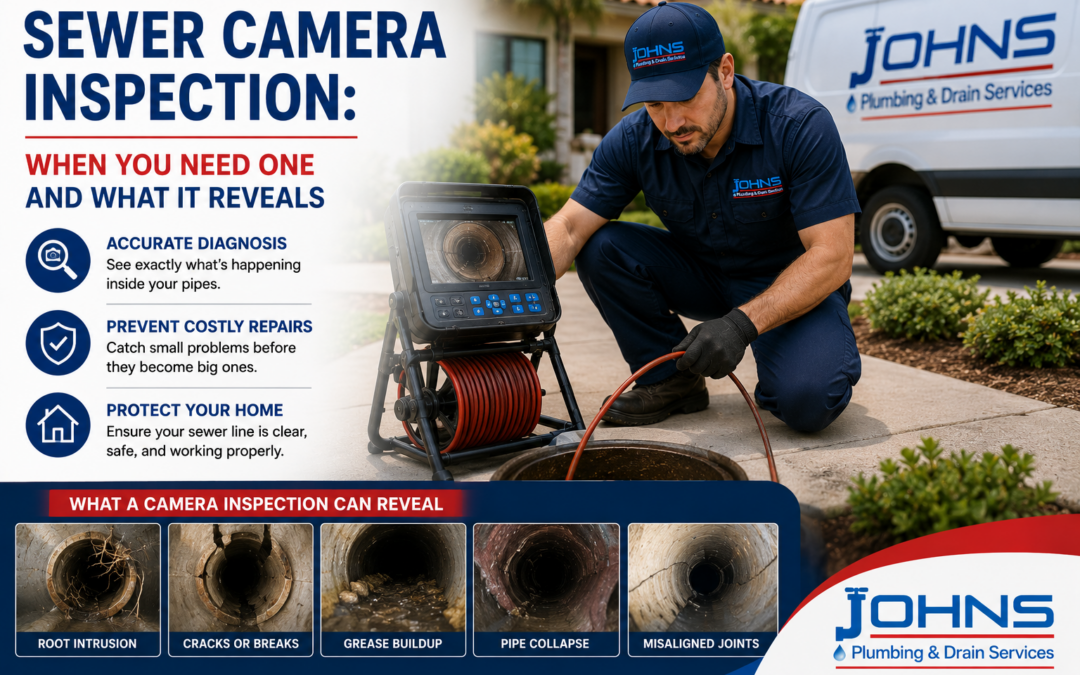
If your restaurant is experiencing recurring slow drains or odor issues despite regular trap service, the problem may have migrated downstream into the building’s main sewer lateral. A camera inspection will show exactly what is happening and whether a deeper cleaning or repair is needed.
Grease trap maintenance is not exciting, but it keeps your kitchen running, your health score high, and your sewer bill predictable.