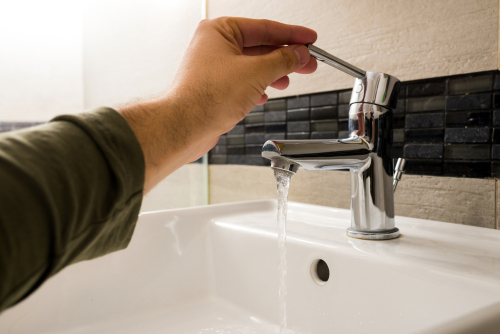
A weak shower that barely rinses shampoo. A kitchen faucet that takes forever to fill a pot. A garden hose that dribbles instead of sprays. Low water pressure is one of those problems that homeowners tolerate for way too long because it builds gradually, and by the time it is obvious, the underlying cause has usually been developing for years.
In Los Angeles, low water pressure is almost never a mystery once a plumber investigates. The causes are well-documented and most of them are fixable.
Corroded Galvanized Pipes
This is the number one cause of low water pressure in older Los Angeles homes. Galvanized steel pipes corrode internally over decades, and that rust scale gradually narrows the pipe’s interior diameter like plaque in an artery. A pipe that started at three-quarters of an inch may only have an effective opening the size of a pencil after 50 years of buildup.
The corrosion is progressive and irreversible. No amount of flushing or chemical treatment restores the lost diameter. The only permanent fix is repiping the affected lines with modern copper or PEX.
Failing Pressure Regulator
Many Los Angeles homes have a pressure-reducing valve installed where the main supply enters the property. This valve regulates incoming city pressure to a safe level for residential plumbing, typically between 40 and 80 PSI. When the regulator fails, it can either allow too much pressure through — stressing your entire system — or restrict flow too aggressively, causing low pressure throughout the house.
A plumber can test your system pressure at the hose bib nearest the meter and determine whether the regulator needs adjustment or replacement. The International Association of Plumbing and Mechanical Officials sets the standards for residential pressure thresholds that licensed plumbers follow during diagnostics.
Hidden Slab Leaks
If your pressure dropped suddenly rather than gradually, a leak in the supply line under your foundation may be the cause. Slab leaks divert water before it reaches your fixtures, reducing pressure while also driving up your water bill. Signs include warm spots on the floor, the sound of running water when everything is turned off, or unexplained moisture near the base of walls.
Slab leak detection requires specialized equipment — acoustic sensors and thermal imaging — that pinpoint the leak location without tearing up your floors for exploratory work. A professional diagnosis saves time, money, and unnecessary demolition.
Municipal Supply Issues
Sometimes the problem is not on your property at all. The LA Department of Water and Power periodically performs main flushing, repairs, and system adjustments that can temporarily reduce pressure in certain neighborhoods. If your neighbors are experiencing the same issue, check with LADWP before calling a plumber.
However, if only your house has low pressure while the neighbor’s system is fine, the problem is between the meter and your fixtures — and that is squarely on your side.
Mineral Buildup in Fixtures
Before assuming the worst, check whether the low pressure is isolated to specific fixtures. Showerheads and faucet aerators accumulate mineral deposits from LA’s hard water over time. Removing and soaking them in vinegar overnight often restores full flow. If cleaning the fixtures does not help, the restriction is further upstream in the pipes.
When to Call a Plumber
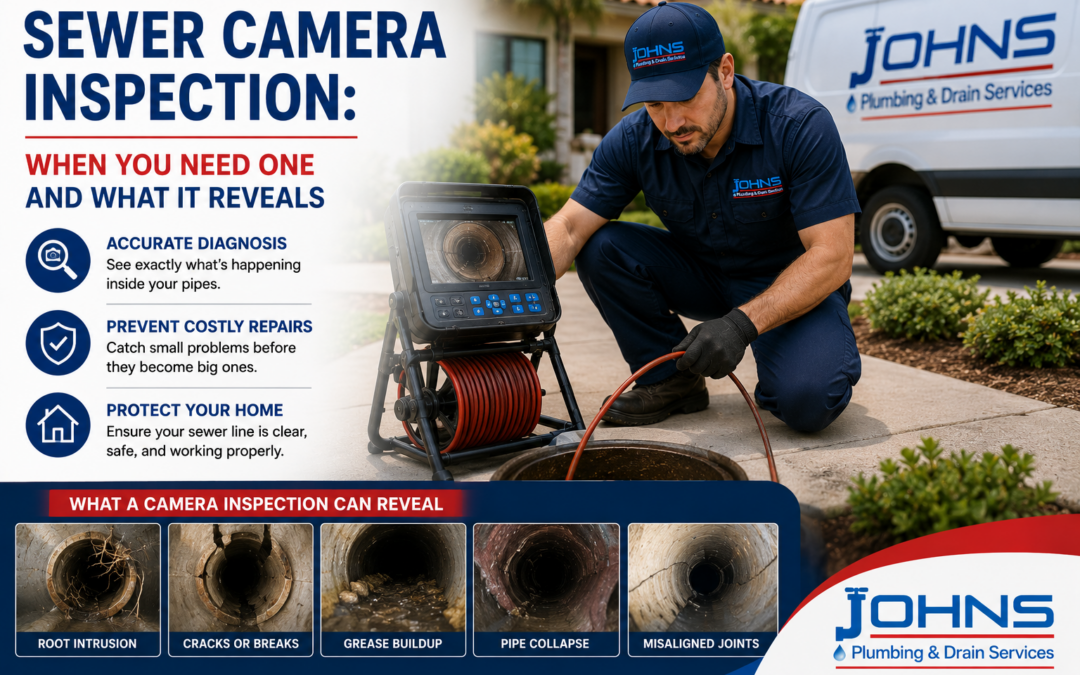
Call when low pressure affects multiple fixtures simultaneously, when it developed suddenly, when your water bill has spiked without increased usage, or when the problem persists after cleaning aerators and showerheads. A plumber can run a full diagnostic using pressure gauges, camera inspection, and visual assessment of accessible pipe runs to identify the cause and recommend the most cost-effective repair — whether that is a regulator swap, a targeted section repair, or a full system repipe.
Living with low water pressure in Los Angeles is a choice, not a sentence. The fix is usually simpler and more affordable than homeowners expect.