Keeping your home’s plumbing in tip-top shape doesn’t have to be hard. By following a few simple maintenance tips, you can avoid big problems that might lead to expensive repairs. Regular upkeep can help keep everything flowing smoothly and prevent unexpected issues from popping up. Whether it’s checking for leaks or making sure your water heater is working efficiently, a little effort goes a long way.
Understanding the importance of plumbing maintenance can save you time and money. Leaky pipes, clogged drains, and inefficient water heaters can cause a lot of headaches. By inspecting your plumbing regularly and taking steps to maintain it, you can catch small issues before they turn into big problems. Plus, these tips are easy enough for anyone to follow, no special skills required.
In this article, we’ll cover some essential plumbing maintenance tips that every homeowner should know. From preventing clogged drains to protecting your pipes during cold weather, we’ve got you covered. By incorporating these simple practices into your routine, you can help ensure that your home’s plumbing system stays in great shape and continues to work properly year-round.
Regularly Inspect for Leaks
Check Under Sinks and Around Toilets
You’d be surprised how often small leaks go unnoticed until they cause major damage. Make it a habit to check under sinks and around toilets for any signs of leaks. Look for water stains, puddles, or a musty smell. Even tiny drips can lead to bigger issues down the line. Fixing a small leak is usually quick and easy, and it can prevent more serious damage later on.
Leaky toilets are another common problem. Check the base of your toilet regularly for any signs of water. If you notice any dampness, it could be a sign that the wax seal is failing. Replacing a toilet seal isn’t difficult and can save you from costly floor repairs.
Inspect Your Water Heater
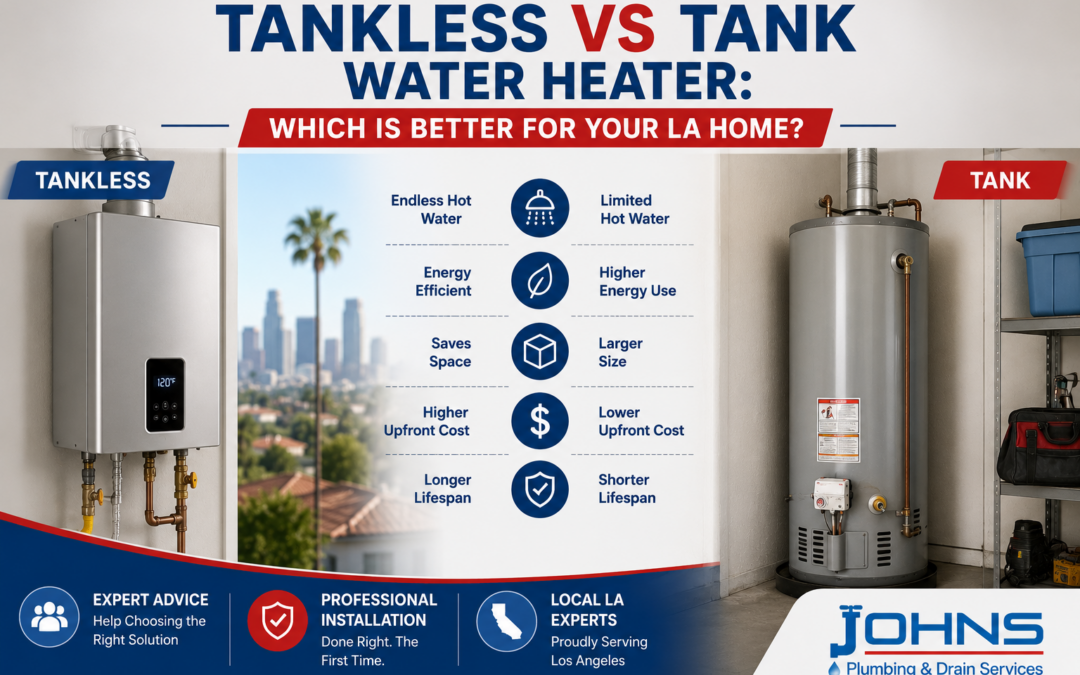
Your water heater works hard every day to provide hot water. Over time, it can develop leaks or other issues that need attention. Inspect your water heater periodically for any signs of leaks or rust. Check around the base for puddles and inspect the pipes for any drips. If you notice any issues, it’s best to address them immediately to avoid more significant problems.
Also, listen for unusual noises coming from your water heater, like banging or hissing. These sounds can indicate sediment buildup or other issues that need professional attention. Regular inspections can keep your water heater running efficiently and extend its lifespan.
Easy Ways to Prevent Clogged Drains
Use Drain Screens
Clogged drains are a common headache for many homeowners, but you can prevent them with simple measures. One of the easiest ways to keep your drains clear is to use drain screens. These screens catch hair, food particles, and other debris before they go down the drain and cause blockages. They are inexpensive, easy to install, and can save you a lot of trouble.
Place a drain screen in your bathroom sink, shower, and bathtub to catch hair and soap scum. In the kitchen, use a drain screen to prevent food scraps from entering the pipes. Remember to clean the screens regularly to keep them effective.
Avoid Pouring Grease Down the Sink
Another major cause of clogged drains, especially in the kitchen, is grease. When you pour grease down the sink, it can solidify and stick to the sides of the pipes, causing blockages. To prevent this, never pour grease or oily substances down the drain. Instead, collect them in a container and throw them in the trash once they’ve cooled and solidified.
Additionally, be mindful of food scraps that might contain grease, such as bacon fat or cooking oil. Wipe greasy pans and dishes with a paper towel before washing them to reduce the amount of grease going down the sink. These small steps can help keep your drains clear and free-flowing.
Keeping your plumbing system in good shape involves regular inspections and simple preventive measures. By checking for leaks and taking steps to avoid clogged drains, you can maintain a smooth-running and reliable plumbing system. Stay proactive to prevent problems and keep your home’s plumbing functioning efficiently.
Maintaining Your Water Heater for Efficiency
Flush the Tank Annually
One simple way to keep your water heater running efficiently is by flushing the tank once a year. Over time, sediment builds up at the bottom of the tank. This buildup can reduce the efficiency of your water heater and even cause it to fail. Flushing the tank helps remove this sediment, allowing your water heater to work better and last longer.
To flush your water heater, turn off the power or gas supply to the unit. Attach a hose to the drain valve and let the water flow out into a bucket or drain. Be careful; the water will be very hot. Once the tank is empty, turn the water supply back on briefly to stir up any remaining sediment. Drain it again, then close the valve and restore the power or gas. This simple maintenance task can make a big difference.
Check the Temperature Setting
Another key to maintaining your water heater’s efficiency is keeping the temperature setting at the right level. A setting that’s too high can waste energy and increase your utility bills. It can also cause scalding hot water, which is dangerous for your family. The ideal temperature setting for most homes is around 120 degrees Fahrenheit.
To check and adjust the temperature, look for the thermostat on your water heater. If you’re not sure where it is, consult your water heater’s manual. Turn the thermostat to the desired setting and give the water heater a few hours to adjust. This small step can help you save energy and ensure your hot water is safe and comfortable to use.
Protecting Pipes During Cold Weather
Insulate Exposed Pipes
When temperatures drop, pipes are at risk of freezing and bursting. This can cause serious water damage and expensive repairs. One effective way to protect your pipes during cold weather is by insulating them. Pipe insulation is easy to install and can be found at most hardware stores.
Focus on pipes in unheated areas like basements, garages, and crawl spaces. Wrap them with foam pipe insulation, making sure to cover all exposed sections. Secure the insulation with tape to keep it in place. This simple step can keep your pipes warm and prevent freezing.
Let Faucets Drip When Freezing Temperatures Are Expected
Another easy way to protect your pipes during a cold snap is to let your faucets drip. When water flows through the pipes, it’s less likely to freeze. Letting your faucets drip slightly can keep the water moving and reduce the risk of frozen pipes.
Focus on faucets connected to pipes that run through unheated spaces. Open the faucet to let a slow drip of water flow. It might seem wasteful, but it’s a small price to pay compared to the cost of repairing burst pipes. This trick is especially helpful during extremely cold weather when pipes are most at risk.
Conclusion
Maintaining your home’s plumbing may seem daunting, but these simple tips can make the process much easier. Regular inspections for leaks, preventing clogged drains, maintaining your water heater, and protecting your pipes during cold weather are all effective ways to keep your plumbing in top shape. By staying proactive and vigilant, you can avoid costly repairs and enjoy a smoothly functioning plumbing system year-round.
Plumbing maintenance is more than just keeping things running; it’s about ensuring the safety and comfort of your home. Small actions like checking under sinks, using drain screens, and insulating pipes can have a big impact. These easy habits help prevent big problems and extend the life of your plumbing fixtures and systems.
If you need help with any plumbing maintenance or have questions about your home’s plumbing system, don’t hesitate to reach out to John’s Plumbing & Drain Services. Our experienced team is here to provide expert advice and 24-hour plumbing service in Los Angeles. Call us today to schedule an appointment and keep your plumbing in perfect working order!