When El Niño weather patterns push heavy rainfall into Southern California, Los Angeles transforms from a city that barely sees rain into one that struggles to handle it. Streets flood, hillsides slide, and thousands of homeowners discover that their plumbing systems were not designed — or maintained well enough — to handle the volume.
The time to prepare is before the storms arrive, not during.
Why LA Plumbing Struggles in Heavy Rain
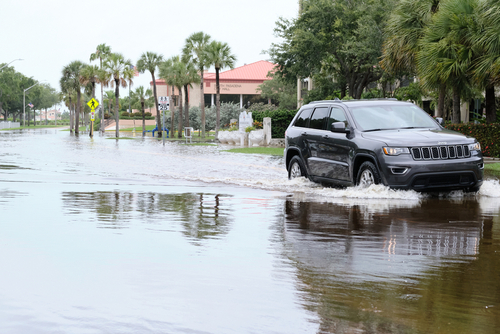
Much of Los Angeles sits on hardpan clay soil that does not absorb water efficiently. When rain hits, it sheets across surfaces and overwhelms storm drains, which are separate from the sanitary sewer system in most parts of the city. However, during extreme rainfall events, groundwater intrusion and surface flooding can overload both systems simultaneously.
For homeowners, this means sewer backups become far more likely during heavy storms. The city’s sewer mains reach capacity, and that pressure pushes backward into residential laterals. If your sewer lateral has any existing damage — cracks, root intrusion, bellied sections — it becomes the path of least resistance for that backflow. The LA Bureau of Sanitation provides guidance on sewer maintenance responsibilities, but protecting your private lateral is entirely on you.
Pre-Storm Plumbing Checklist
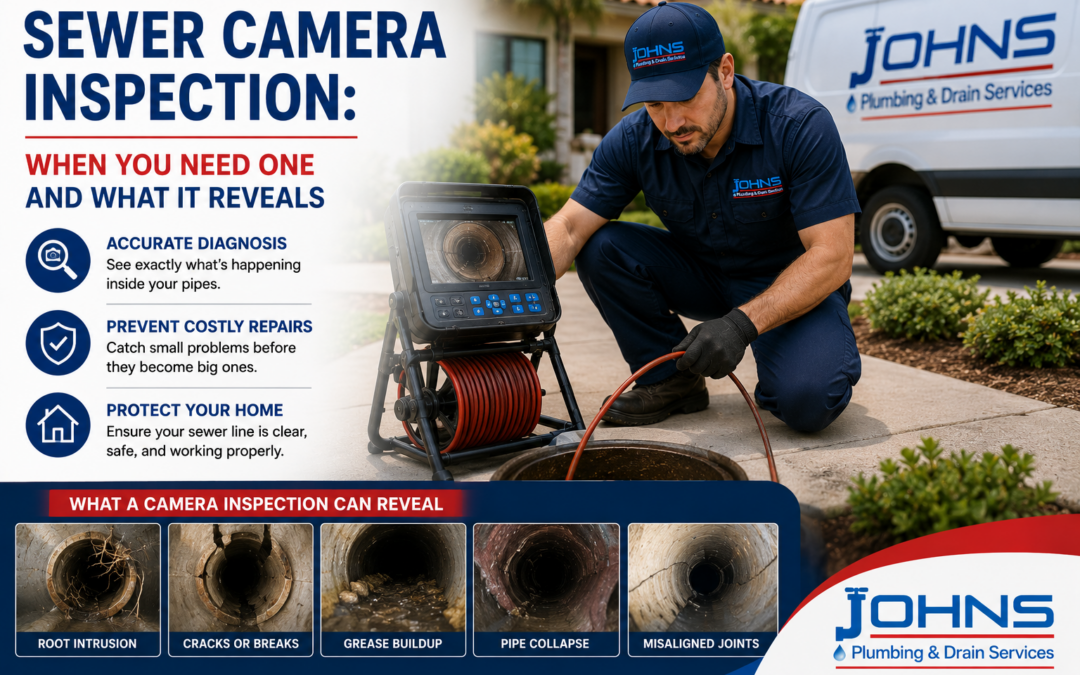
Start by having your main sewer line professionally inspected with a camera before rain season. If roots or damage are found, addressing them with hydro jetting or pipelining now is exponentially cheaper than dealing with a sewage backup during a storm.
Clear all outdoor drains on your property. Area drains, French drains, and yard drains collect leaves and debris throughout the dry months. A clogged outdoor drain during a downpour redirects water toward your foundation rather than away from it.
Inspect your gutters and downspouts to confirm they are directing water at least four to six feet away from the foundation. Downspouts that terminate right next to the house are essentially pouring water straight at your slab and basement walls.
Check your sump pump if you have one. Test it by pouring a bucket of water into the pit and confirming it activates. Replace the battery backup if it is more than three years old. A sump pump that fails during a power outage — common during LA storms — is worse than not having one at all, because you assume you are protected when you are not.
The Backwater Valve Advantage
A backwater valve or backflow prevention device installed on your sewer lateral can stop city sewer backups from entering your home entirely. When the system floods and pressure reverses, the valve closes automatically and blocks sewage from flowing backward through your drains. This device is one of the most effective flood protection measures any LA homeowner can invest in, and a licensed local plumber can install one in a single visit.
After the Storm
Once the rain stops, do not assume everything is fine. Watch for slow drains that developed during the storm — they may indicate new root intrusion or a partially collapsed line that shifted under saturated soil. Monitor your water bill for unexpected spikes that could signal an underground water line leak caused by ground movement.
If you experienced any backup during the storm, schedule a post-storm sewer camera inspection to assess the condition of your lateral before the next rain event.
Los Angeles rain seasons are unpredictable in timing but completely predictable in consequences. The homes that come through unscathed are the ones that prepared before the first drop fell.