A well-maintained plumbing system is essential for the comfort, safety, and overall functionality of your Los Angeles home or business. Budgeting for repairs and dealing with plumbing emergencies can be stressful, but preventive plumbing maintenance can save you time, money, and potential headaches in the long run. As experts in residential and commercial plumbing services in Los Angeles, CA, John’s Plumber is dedicated to helping our clients understand the value of preventive maintenance and providing actionable tips to ensure a reliable and efficient plumbing system.
In this informative guide, we will discuss the fundamentals of preventive plumbing maintenance and its importance in protecting your property’s plumbing system. We will explore key maintenance aspects such as routine inspections, drain cleaning, water heater maintenance, and more. Additionally, we will share practical tips on how to spot potential plumbing problems early and address them before they escalate into costly emergencies. By following these preventive maintenance guidelines, you can extend the lifespan of your plumbing system, avoid frequent repairs, and maintain a clean, comfortable, and safe environment in your Los Angeles home or business.
Trust the experts at John’s Plumber to offer professional guidance, services, and support for all your preventive plumbing maintenance needs, ensuring that your plumbing system remains in top condition and operates at peak efficiency.
Routine Inspections: The Foundation of Preventive Maintenance
Conducting regular inspections of your plumbing system is crucial for identifying and addressing potential issues before they become major problems. Scheduling routine inspections with a professional plumber like John’s Plumber will allow for an in-depth assessment of your plumbing system, ensuring all components are functioning properly and efficiently. Key areas to inspect include:
1. Pipes and Plumbing Fixtures: Check for signs of corrosion, leaks, or cracks in pipes, faucets, and other plumbing fixtures, as well as signs of water damage around them.
2. Drains: Test the drainage speed of sinks, bathtubs, and showers. Slow drainage may indicate clogs or other issues in your sewer lines.
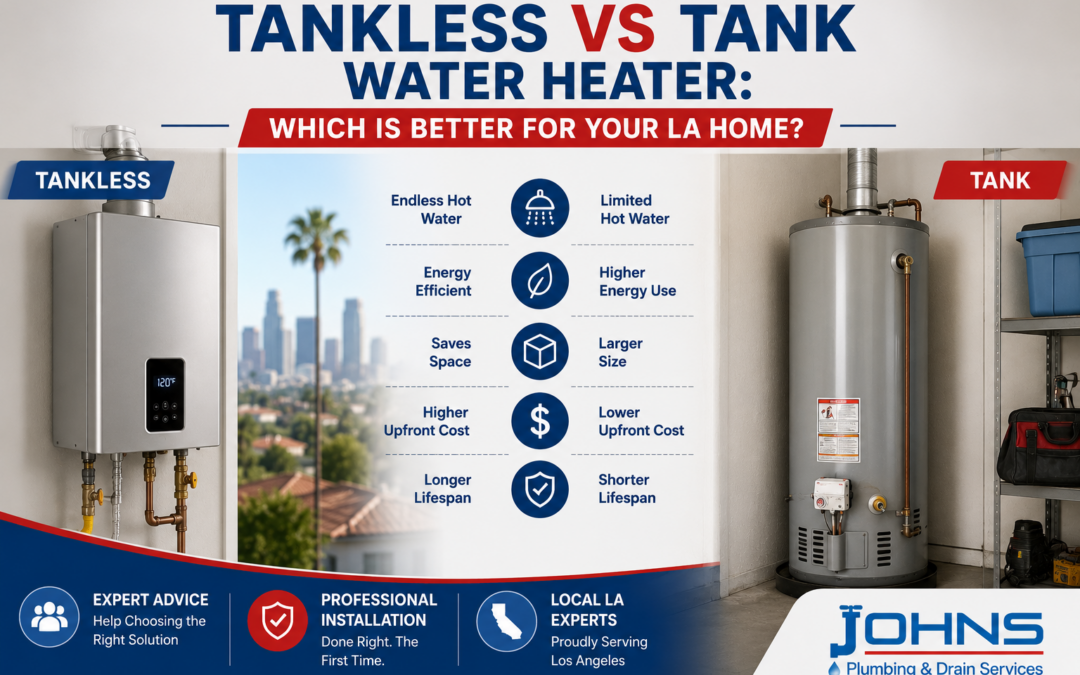
3. Water Heater: Inspect your water heater for signs of leaks, corrosion, or inefficiency, and ensure it is functioning at the correct temperature.
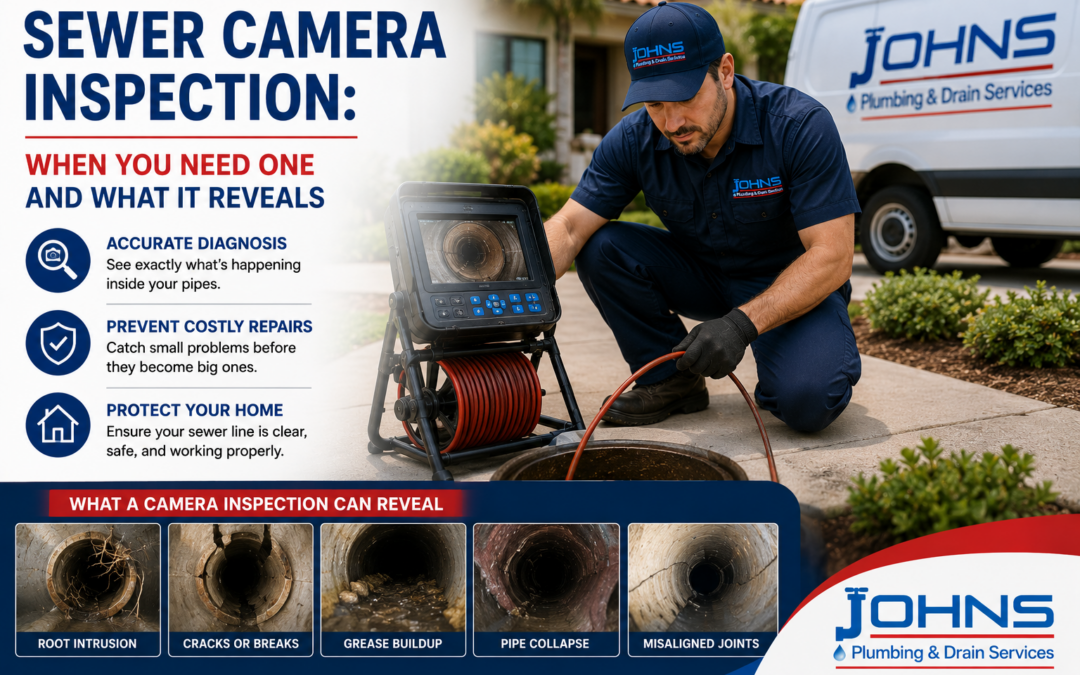
4. Sewer Lines and Septic Systems: Have a professional plumber inspect your sewer lines or septic system for blockages, leaks, or other issues.
Drain Cleaning: Avoiding Clogs and Blockages
Regular drain cleaning is an essential component of preventive plumbing maintenance, as clogged or slow drains can lead to pipe damage, water damage, and unhealthy living conditions. Incorporate the following tips into your maintenance routine:
1. Use Drain Strainers: Installing and regularly cleaning drain strainers in sinks, showers, and bathtubs can help prevent hair, food particles, and other debris from clogging your pipes.
2. Dispose of Grease Properly: Avoid pouring fats, oils, or grease down your sink drains, as they can solidify and cause blockages. Instead, collect used grease in a sealed container and dispose of it at an appropriate recycling facility.
3. Avoid Flushing Non-Flushable Items: Refrain from flushing anything other than toilet paper and human waste down the toilet to avoid sewer line clogs.
4. Regular Drain Cleaning: Schedule regular professional drain cleaning services to remove build-up and prolong the life of your plumbing system.
Water Heater Maintenance: Ensuring Efficiency and Longevity
Your water heater is a critical component in providing hot water for your property. Regular water heater maintenance can prolong the life of your unit, increase energy efficiency, and reduce the risk of problems such as leaks and faulty temperature controls. Consider the following maintenance tips:
1. Flush the Tank: At least once a year, flush your water heater’s tank to remove sediment build-up that can reduce heating efficiency and cause damage to the tank liner.
2. Inspect the Pressure Relief Valve: The pressure relief valve is an essential safety feature that helps to regulate pressure in the tank. Have a professional plumber inspect and test the valve regularly to ensure it is functioning correctly.
3. Check the Anode Rod: The anode rod helps to prevent rust and corrosion in the water heater tank. Schedule regular inspections and replacements as needed to extend the life of your water heater.
4. Insulate Your Water Heater: Adding insulation to your water heater can help improve energy efficiency and reduce heat loss, saving you money on energy bills.
Conclusion
By implementing a comprehensive preventive plumbing maintenance plan for your Los Angeles home or business, you can extend the lifespan of your plumbing system, reduce the risk of costly repairs, and ensure the health and safety of your property’s occupants. Trust the experts at John’s Plumber to provide professional guidance and services in all aspects of preventive plumbing maintenance, helping you achieve a reliable and efficient plumbing system that serves your property well.
Looking for expert preventive plumbing maintenance services for your Los Angeles home or business? Rely on the skilled team at John’s Plumber to provide comprehensive solutions that help you keep your plumbing system running smoothly and efficiently. Contact us today to schedule a consultation for our Burbank plumbing services.