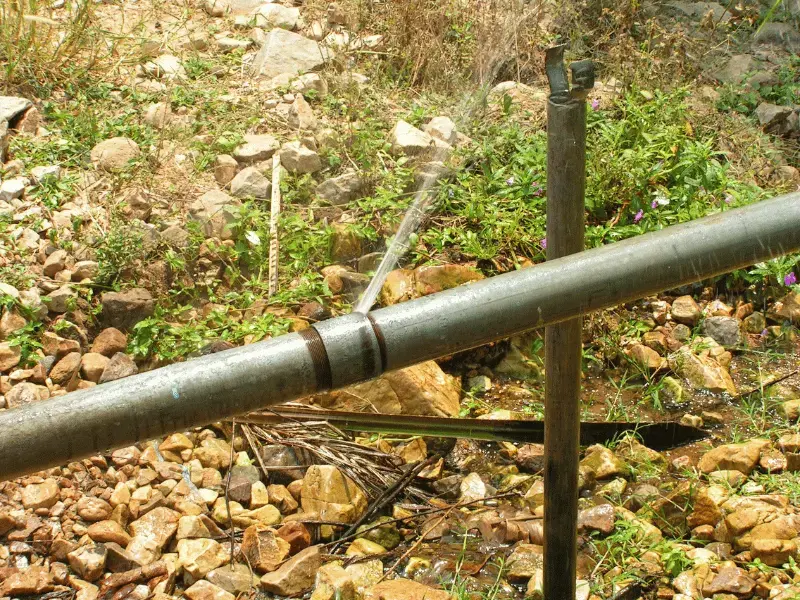
Quick Answer: The fastest way to recognize signs of burst pipes in your yard is to look for soggy spots, standing water or puddles, unusually green patches of grass, and spongy soil then confirm with a water meter test for a leak indicator. Inside the home, a sudden drop in water pressure, weak shower trickle flow, and hissing or gurgling sounds when water isn’t running are common clues. If tap water turns brown/cloudy/murky, smells foul or musty, or tastes like iron or dirt, treat it as an urgent contamination risk. Act quickly: shut off the main valve, document damage, and avoid electrical hazards near pooled water. Early detection reduces structural damage, soil erosion, and repair costs.
Why Burst Pipes in Yards Are So Hard to Catch Early
The reason yard leaks are sneaky is simple: the break is underground, so water spreads through soil before it becomes obvious on the surface. A small crack can saturate dirt for days, creating damp patches during dry weather that look like “bad drainage” rather than a plumbing failure. Over time, constant moisture can soften the ground into mushy / spongy soil, leading to sunken areas, sinkholes, and even foundation cracks.
A yard leak also wastes a shocking amount of water. Even a moderate underground leak can turn into an unusually high water bill / spike in usage, especially if water runs 24/7.
The Most Reliable Signs of Burst Pipes in Your Yard (What to Look For)
Spotting the signs of burst pipes early can prevent structural damage, soil erosion, and skyrocketing water bills. Your yard often shows physical clues before the problem becomes visible inside your home if you know exactly what to look for.
1) Soggy Spots, Unexplained Wet Spots, and Puddles
One of the clearest signs of burst pipes is soggy spots / soggy yards that won’t dry out. You might see unexplained wet spots, standing water / puddles, or a marsh-like ground feel even when it hasn’t rained.
Quick fix tip: If your sprinklers ran recently, turn irrigation off for 24–48 hours. If the area stays wet, it’s less likely to “overspray” and more likely a leak.
2) Spongy Soil, Damp Patches During Dry Weather, and Uneven Lawn
If the ground feels soft underfoot, that’s a red flag. A hidden leak can create mushy / spongy soil, persistent damp patches during dry weather, and an uneven lawn where the soil settles.
3) Unusually Green Patches of Grass and Lush Grass Growth
A single strip or patch of grass that looks like it’s thriving can actually be a warning. Leaking water acts like constant irrigation and can cause unusually green patches of grass and lush grass growth directly above the break.
4) Sunken Areas, Sinkholes, and Soil Erosion
Water moving through dirt can wash soil away. That leads to sunken areas, sinkholes, and soil erosion. These are not cosmetic issues; they can become safety hazards and may destabilize walkways and slabs.
5) Cracks in Driveway, Sidewalk, and Foundation
Underground leaks can weaken soil that supports heavy surfaces, which may show up as driveway cracks, sidewalk cracks, and new foundation cracks. If you also notice water pooling near the foundation, treat it as urgent moisture around the structure can accelerate settling.
6) Winter-Only Clue: Warm Spots and Snow Melting Lines
In colder months, a leak in a warm line can create warm spots on the ground in winter. You may notice snow melting in a line/patch (winter indicator) while the rest of the yard stays frosty.
7) Odors and Pests: Musty Smell, Sewage Smell, Foul Smell
Your nose can help you catch signs of burst pipes. Persistent musty smell, foul smell / earthy odor, or sewage smell can indicate saturated soil, bacterial growth, or wastewater issues nearby. Moist ground can also attract insects and rodents.
Indoor Clues That Often Confirm Yard Leaks
Sudden Drop in Water Pressure Across Multiple Fixtures
A sudden drop in water pressure is a classic symptom when water escapes before reaching fixtures. If you have low water pressure across multiple fixtures, check for a weak shower / trickle flow and slow faucets at sinks.
Quick test (1 minute):
- Run a shower for 60 seconds.
- Flush the toilet.
- If the shower drops to a trickle, the pressure loss may be significant.
Strange Sounds When Nothing is Running
Listen for hissing sound, gurgling sound, bubbling sound, or rushing water sound inside walls especially plumbing noises when no water is running. That can indicate water moving through a damaged section, or air entering through a crack.
Water Quality Warnings You Should Never Ignore
If a break allows soil to enter the line, you may notice discoloured water (brown/cloudy/murky) or sediment / debris in water. Some people report water that tastes like iron / tastes like dirt. That’s often tied to contaminants entering the water supply (soil/bacteria).
Safety tip: If water turns murky or smells off, avoid drinking it until the issue is identified and corrected.
The “Money Clue” – When a High Bill Means a Hidden Leak
An unusually high water bill / spike in usage is one of the earliest and most reliable signs of burst pipes. The key is pattern recognition: compare monthly bills / monitor usage trends. If your habits didn’t change but the bill did, assume a leak until proven otherwise.
How to Confirm a Yard Leak with a Water Meter Test
This is the simplest way to validate signs of burst pipes without digging.
Step-by-Step Meter Check
- Turn off all water use (faucets, dishwasher, washer, irrigation).
- Look at the meter and find the leak indicator on the meter (triangle / dial / small wheel).
- If the meter is still running when fixtures are off, you likely have a leak.
- Shut the home’s main valve and check again to narrow the location.
This approach is often described as the water meter test, and it can help confirm whether the leak is active right now.
How do Pipes Burst
They typically fail when stress exceeds what the pipe wall or joint can handle either suddenly (freeze/pressure surge) or gradually (corrosion/soil movement).
Common reasons include:
- Corrosion thinning the pipe wall
- Soil movement that bends joints
- Freezing and expansion in cold snaps
- Chronic high pressure (many pros aim for ~50–70 PSI in typical homes; above ~80 PSI is commonly treated as too high)
- Root intrusion that cracks or separates joints
In short: pipe bursts rarely “come out of nowhere” ; there’s usually a warning trail if you know how to read it.
Yard Leak vs. Broken Water Pipe in Yard vs. Water Main Break
A broken water pipe in yard can mean different things depending on location:
- If it’s between the meter and the home, the meter test usually shows continuous movement.
- If it’s after the shutoff inside, the meter may stop when you close the main valve.
A water main break (utility-side) can cause wide-area pressure issues and neighborhood pooling often accompanied by provider alerts. Still, your property symptoms can look similar at first (wet pavement, soggy ground).
How to Detect Pipe Burst Quickly (Without Digging Your Whole Yard)
To detect pipe burst issues fast, combine yard clues + indoor clues + meter confirmation.
Here’s a short, practical method:
- Walk the yard: look for unexplained wet spots, standing water / puddles, and unusually green patches of grass
- Step on soil: note mushy / spongy soil, marsh-like ground, or sunken areas
- Check structure: watch for driveway cracks, sidewalk cracks, new foundation cracks
- Listen inside: hissing sound / gurgling sound / rushing water sound inside walls
- Confirm with meter: leak indicator movement with fixtures off
Sewer Bursts vs. Water Line Leaks (What Homeowners Confuse)
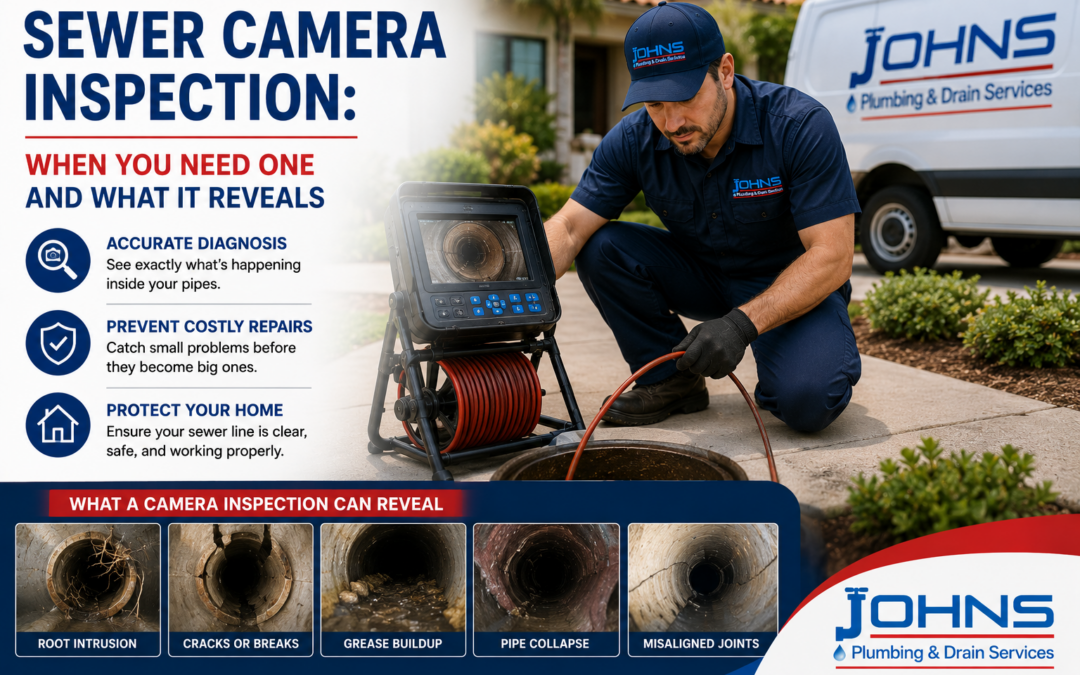
Sometimes the real culprit isn’t a clean-water line at all, flooding, smells, and repeated backups can also happen when a collapsed sewer pipe blocks wastewater flow and forces sewage to surface or back up through drains.
Sometimes homeowners call everything “a burst pipe,” but sewer bursts (or sewer line failures) can present differently:
- Odors are often stronger (sewage smell is common)
- Yard may show soggy zones, but water quality changes can vary
- Drain performance issues may appear (slow drains, backups)
If you suspect sewage involvement, avoid contact with pooled water and keep kids/pets away.
What To Do Immediately When You Notice Signs (Damage Control)
If multiple signs of burst pipes are showing up, quick action limits damage.
If you confirm multiple signs at once especially pooling water, meter movement, and pressure loss this is not a wait-and-see situation. Severe underground failures may require urgent intervention, and in those cases homeowners often need emergency pipe bursting technicians who can replace damaged lines quickly without extensive excavation.
Immediate Actions
- Shut off your main water supply to stop flow.
- Photograph puddles, cracks, and damaged areas for documentation.
- Avoid electrical hazards and don’t step into pooled water near outlets.
- Keep water use minimal until diagnosis is complete.
- If water quality is compromised, don’t drink from taps.
Quick fix tip: If you can’t find the shutoff quickly, check near the point where the main line enters the house (garage, crawl space, utility closet). Some properties also have a curb stop at the street.
What Damage Can Happen If You Ignore It
Ignoring signs of burst pipes can escalate fast:
- Yard destabilization: soil erosion, sinkholes, and collapsed patches
- Structural strain: new foundation cracks and slab movement
- Mold risk: persistent moisture supports growth and odor issues
- Water waste: higher bills plus possible landscape damage
- Contamination: increased chance of contaminants entering water supply (soil/bacteria)
Yard Symptoms and What They Usually Indicate
| What you Notice | What It Often Points to | What to do First |
| Soggy spots / soggy yard | Active underground leak | Turn off irrigation; re-check in 24 hrs |
| Standing water / puddles | Pipe break close to surface | Do meter test; avoid electrical hazards |
| Unusually green patches of grass | Slow leak “watering” area | Inspect for soft soil & sinkholes |
| Sunken areas / sinkholes | Soil washed out by leak | Keep off area; document; get diagnosis |
| Driveway cracks / sidewalk cracks | Soil movement under slabs | Check for pooling near foundation |
Practical Prevention Tips (So This Doesn’t Happen Again)
You can’t prevent every failure, but you can reduce risk.
Here are prevention steps:
- Monitor pressure (consider a regulator if consistently high)
- Insulate vulnerable lines in cold snaps
- Keep trees planted away from known utility corridors
- Check bills monthly and spot anomalies early
- Consider a leak detection system if you travel often
If you’re curious about trenchless replacement options, the advantages of pipe bursting are often discussed as a way to replace damaged lines with less digging helpful knowledge when you’re weighing long-term solutions.
When You Should Call for Help (and Why Speed Matters)
When you start noticing repeated signs of burst pipes like soggy soil, foundation cracks, and unexplained water usage, getting professional diagnostics early can prevent thousands in structural damage. Working with a reliable plumbing company ensures accurate leak detection, proper isolation testing, and long-term repair planning instead of temporary patchwork fixes.
“Is It a Burst Pipe?” Quick Decision Guide
| Symptom Combo | Likelihood of Underground Break | Best Confirmation Step |
| Wet yard + high bill | Very high | Meter leak indicator test |
| Low pressure + noises in walls | High | Meter test + main shutoff isolation |
| Discolored water + foul odor | High risk | Stop drinking; confirm & inspect |
| Sinkholes + driveway cracks | Serious | Keep off area; urgent assessment |
Call to Action: Stop Yard Leaks Before They Become a Disaster
If you’re noticing signs of burst pipes, wet patches, low pressure, strange noises, or a climbing water bill don’t wait for sinkholes or foundation damage. John’s Plumbing & Drain Services can help diagnose the issue and recommend the safest repair path.
Call now: 3234227485
FAQs About Signs of Burst Pipes
What are the first signs of burst pipes in a yard?
The first signs are usually wet ground without rain, puddles, or a patch of grass that turns unusually green and grows faster than the rest.
Can a burst pipe cause low water pressure?
Yes when water escapes before reaching your fixtures, pressure drops across the system and showers may feel weak or inconsistent.
How do I know if the leak is in my yard or inside the house?
Use your water meter: if it still shows flow with all fixtures off, then shut your home’s main valve if the meter continues, the leak is likely outside.
Is discoloured water a sign of an underground pipe problem?
It can be. A break can let soil and debris into the line, causing cloudy or brown water and sometimes odors.
Should I shut off water immediately if I suspect a burst pipe?
If you suspect an active leak (meter movement, pooling, pressure drop), shutting off the main supply is a smart first step to limit damage.