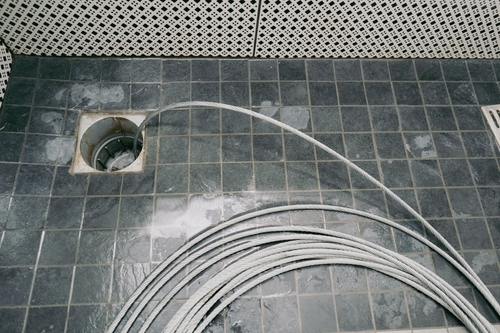
A slow drain is easy to ignore. You run the sink and the water sits there for a few extra seconds before disappearing. It is annoying but not alarming, so you live with it. Then the seconds become minutes. Then the shower starts pooling around your ankles. Then the kitchen sink backs up while the dishwasher runs and suddenly you have a problem that should have been addressed weeks ago.
Most drain problems in Glendale homes give plenty of warning before they turn into full backups. The trick is recognizing the warning signs and acting on them.
Slow Drains in Multiple Fixtures
A slow drain in one fixture usually means a localized clog — hair in a bathroom sink, grease in a kitchen drain. These are annoying but manageable. When multiple fixtures drain slowly at the same time, you are likely dealing with a buildup in a shared branch line or the main sewer lateral. That is not a plunger problem — that is a professional drain cleaning situation.
Glendale homes built in the mid-century era often have cast iron drain stacks and clay sewer laterals that accumulate scale and debris more aggressively than modern PVC systems. Decades of soap scum, mineral deposits, and organic waste coat the interior walls of these older pipes, gradually choking off flow.
Gurgling Sounds From Drains or Toilets
If your toilet gurgles when the washing machine drains, or your bathroom sink makes noise when you flush the toilet down the hall, air is getting trapped in your drain system because something is restricting the flow. That restriction is a developing clog, and it is only going to get worse.
Gurgling can also indicate a venting issue, but in Glendale homes with older plumbing, the most common cause is buildup in the drain lines that is displacing air and water at the same time. A camera inspection can determine whether the noise is coming from a drain restriction or a vent problem.
Recurring Clogs
If you are snaking the same drain every few months, the clog is not the problem — it is a symptom. Recurring clogs in the same location point to a deeper issue: root intrusion in the sewer line, a bellied pipe section where debris collects, or internal corrosion that creates a rough surface where material accumulates faster than it can wash away.
Snaking punches a hole through the clog temporarily, but it does not clean the pipe walls or address the root cause. Professional hydro jetting scours the full interior of the pipe with high-pressure water, removing buildup completely and restoring the pipe to its full diameter. For Glendale homes with chronic sewer line issues, hydro jetting is the difference between temporary relief and lasting results.
Foul Odors Coming From Drains
A healthy drain does not smell. If you are getting sewer odors from a kitchen sink, bathroom drain, or floor drain, something is either blocking the proper flow of wastewater or allowing sewer gas to escape through a compromised trap seal or a cracked pipe. The EPA recommends addressing indoor sewer gas exposure promptly, as it can contain harmful compounds including hydrogen sulfide.
Sometimes the fix is as simple as running water in a dry floor drain to refill the trap. Other times the odor indicates a partial clog trapping decomposing material inside the line. A professional cleaning clears the source and restores normal drainage.
Do Not Wait for the Full Backup
A full sewer backup in a Glendale home means wastewater coming up through the lowest drain in the house — usually a shower, floor drain, or toilet. The cleanup is messy, the damage is real, and the repair cost is significantly higher than it would have been if the warning signs had been addressed early.
If your Glendale home is showing any of these symptoms, a licensed local plumber can diagnose the cause and clean the lines before you are mopping up sewage on a Saturday morning.