Glendale has some of the most beautiful tree-lined streets in the San Fernando Valley foothills. Mature oaks, ficus, and pepper trees provide shade, increase property values, and make neighborhoods like Rossmoyne, Verdugo Woodlands, and Sparr Heights look and feel established. Those same trees, however, are quietly waging war on the sewer lines buried beneath them.
Tree roots and sewer pipes have a relationship that never ends well for the pipe.
Why Roots Target Sewer Lines
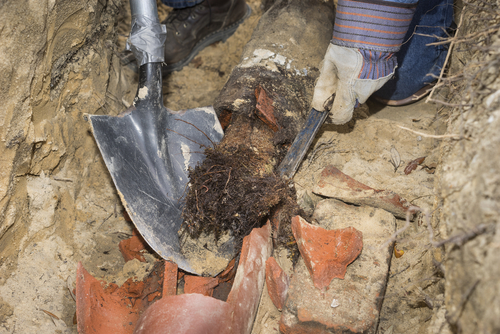
Tree roots grow toward three things: water, nutrients, and oxygen. A sewer line provides all three. Even a tiny crack, loose joint, or corroded spot in an aging pipe emits moisture and organic vapor into the surrounding soil. Roots detect that signal and grow directly toward it. Once a root filament enters the pipe, it expands rapidly in the nutrient-rich environment, creating a mass that traps debris and eventually blocks the line entirely.
In Glendale, where much of the housing stock was built between the 1930s and 1960s, many sewer laterals are original clay or cast iron pipes that have developed cracks and joint separations over decades. Those compromised points are open invitations for root intrusion. The City of Glendale Public Works Department maintains the public sewer mains, but the lateral connecting your home to the main is your responsibility to maintain and repair.
Warning Signs of Root Intrusion
The first sign is usually slow drainage that does not respond to plunging or basic snaking. You clear the clog, it comes back in a few weeks, and the cycle repeats. That recurring pattern almost always indicates roots regrowing into the same compromised section of pipe.
Gurgling sounds from toilets and drains, especially after heavy rain when root activity increases, are another indicator. You may also notice patches of unusually lush, green grass in your yard above the sewer line — the roots are feeding on leaking wastewater and the area is getting extra fertilization.
In advanced cases, you may experience full sewer backups with wastewater returning through the lowest drain in the house. At that point the root mass has completely blocked the pipe and emergency service is the only option.
How Professionals Diagnose the Problem
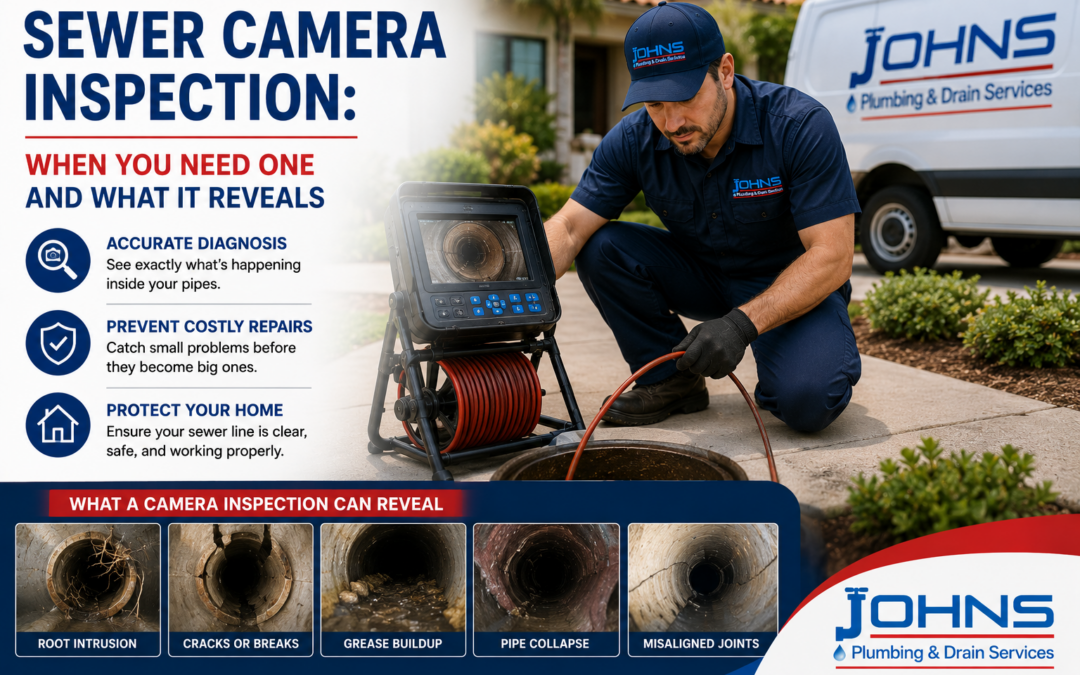
A sewer camera inspection is the definitive diagnostic tool for root intrusion. A plumber feeds a waterproof camera through the sewer lateral and records real-time video showing the interior condition of the pipe. Roots show up clearly on camera — from minor hairline intrusions at joints to dense root balls that fill the entire pipe diameter.
The camera also reveals whether the pipe has structural damage that allowed the roots in, which determines what kind of repair is appropriate.
Repair Options for Glendale Homeowners
For active root blockages in otherwise intact pipes, hydro jetting is the most effective clearing method. High-pressure water cuts through root masses and flushes the debris out of the line. However, if the pipe has cracks or missing sections, jetting alone is a temporary fix because roots will return through the same entry points.
For pipes with cracks and minor damage, epoxy pipelining creates a seamless new pipe inside the old one, sealing off root entry points and restoring the line without excavation. The epoxy liner lasts 50 years or more and eliminates the cracks that attracted roots in the first place.
For pipes with severe damage — collapsed sections, major breaks, or complete deterioration — sewer line replacement is necessary. Modern trenchless pipe bursting techniques can replace the entire lateral with a new HDPE pipe without digging a trench across your property.
Living With Trees and Sewer Lines
You do not have to choose between beautiful trees and functioning sewer lines. The key is proactive maintenance — annual camera inspections and preventive jetting to keep roots from gaining a foothold. A Glendale plumber who understands the local housing stock and soil conditions can set up a maintenance schedule that keeps your trees in the yard and out of your pipes.