It is two in the morning and you wake up to the sound of water spraying inside a wall. Your heart rate doubles before your feet hit the floor. A burst pipe in a Los Angeles home can dump hundreds of gallons of water in under an hour, and every minute you spend panicking is a minute the damage grows.
Here is exactly what to do, in order, before your emergency plumber arrives.
Step 1: Shut Off the Main Water Valve
Every Los Angeles home has a main shutoff valve, typically near the front of the house where the water supply enters from the street. In most LA homes it is a gate valve or ball valve located near the water meter in a ground-level box near the sidewalk. Turn it clockwise until it stops. If you have never located yours, do it today — not during a flood.
The LA Department of Water and Power maintains the meter and supply line to your property, but everything on your side of the meter is your responsibility.
Step 2: Open Faucets to Drain Remaining Pressure
Once the main valve is off, open a couple of faucets at the lowest point of your home. This drains residual water from the pipes and reduces pressure on the break. It will not stop the existing water on your floors, but it prevents additional water from feeding the burst.
Step 3: Document the Damage
Before you start mopping, grab your phone and take photos of everything — the burst location, standing water, damaged walls, flooring, and any belongings that got soaked. Your homeowner’s insurance will want documentation, and it is much harder to recreate the scene after cleanup.
Step 4: Call an Emergency Plumber
This is not a job for YouTube tutorials or a handyman. A burst pipe may be caused by corrosion, shifting soil, excessive water pressure, or failed fittings. The visible break might be one symptom of a larger problem that only a professional with leak detection equipment can diagnose properly.
Look for a plumbing company that actually operates a 24-hour emergency line staffed by real people, not an answering service that takes a message and calls back in the morning. Response time matters — every hour of standing water increases the risk of mold growth and structural damage.
Why Burst Pipes Happen in Los Angeles
People assume burst pipes are a cold-weather problem, but Los Angeles has its own risk factors. Older homes throughout Silver Lake, Echo Park, and Atwater Village often have original galvanized steel pipes that corrode from the inside out over decades. That corrosion weakens the pipe walls until pressure finds the thinnest point and breaks through.
High water pressure is another common culprit. LA’s water pressure can vary significantly by neighborhood and elevation. Homes in hillside areas sometimes receive pressure well above the 80 PSI threshold recommended by the Uniform Plumbing Code. Without a pressure regulator, that excess force stresses every joint and fitting in the system.
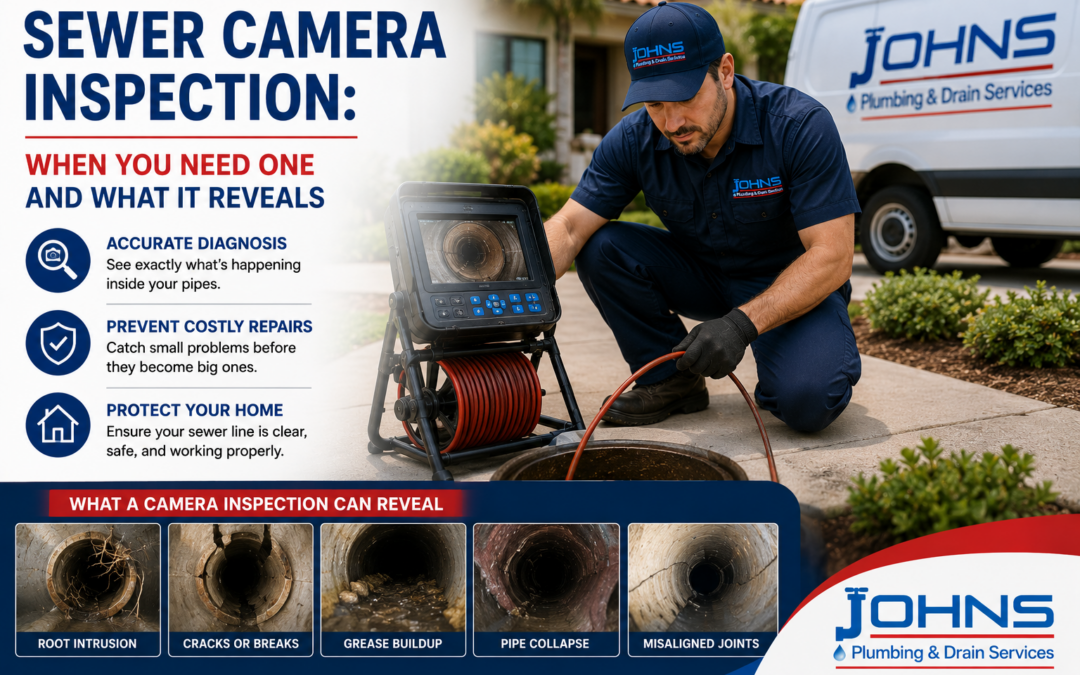
Tree root intrusion is another issue that catches homeowners off guard. Roots from mature trees — especially ficus and pepper trees common across Los Angeles — will grow toward any source of moisture and can crack or collapse underground pipes. If you are dealing with recurring breaks, a sewer camera inspection can reveal exactly what is happening underground.
Preventing the Next Emergency
The best emergency is the one that never happens. Schedule a plumbing inspection if your LA home is more than 30 years old, especially if you still have galvanized or cast iron pipes. Consider a whole-house repiping if your system has had multiple failures. And install a water pressure regulator if your home does not already have one.
Being prepared costs you an afternoon. Not being prepared can cost you tens of thousands in emergency water damage repairs that your insurance may only partially cover.