Dealing with a clogged toilet can be frustrating and inconvenient. It’s a common problem that many households face, yet often overlooked until it becomes an urgent issue. Clogged toilets aren’t just a minor nuisance; they can lead to more significant plumbing issues if not addressed promptly. Understanding why these clogs occur is crucial for maintaining a comfortable and functional home.
There are various reasons your toilet might clog frequently. From flushing items that shouldn’t go down the toilet, to issues with the toilet design itself, several factors can contribute to this recurring problem. By identifying these causes, you can take practical steps to prevent future blockages and ensure your plumbing system operates smoothly.
Common Causes of Toilet Clogs
To keep your toilet running smoothly, it’s essential to understand what typically causes clogs. Here are a few of the most common culprits:
1. Improper Flushing Habits: One of the leading causes of clogged toilets is the flushing of non-flushable items. Many people mistakenly believe that items such as baby wipes, paper towels, or feminine hygiene products can be flushed away like toilet paper. However, these items do not break down in water and can easily clog the toilet. Always ensure only human waste and toilet paper are flushed.
2. Low-Flow Toilets: Low-flow toilets are designed to conserve water, but sometimes they lack the power needed to push waste through entirely. This can lead to frequent clogs, especially if the toilet is an older model that doesn’t perform up to today’s standards. Upgrading to a modern low-flow toilet that balances water conservation with performance might alleviate this issue.
3. Plumbing Design Issues: Sometimes, the problem isn’t with what you’re flushing, but rather with your home’s plumbing design. If the pipes are too narrow, angled incorrectly, or made from outdated materials, these issues can result in frequent clogs. Professional inspection can identify and rectify such design flaws, ensuring your plumbing system supports effective waste removal.
By staying mindful of these common causes, you’ll be better equipped to address clogs that arise and prevent them from becoming major disruptions in your home.
The Role of Sewer Inspection in Identifying Problems
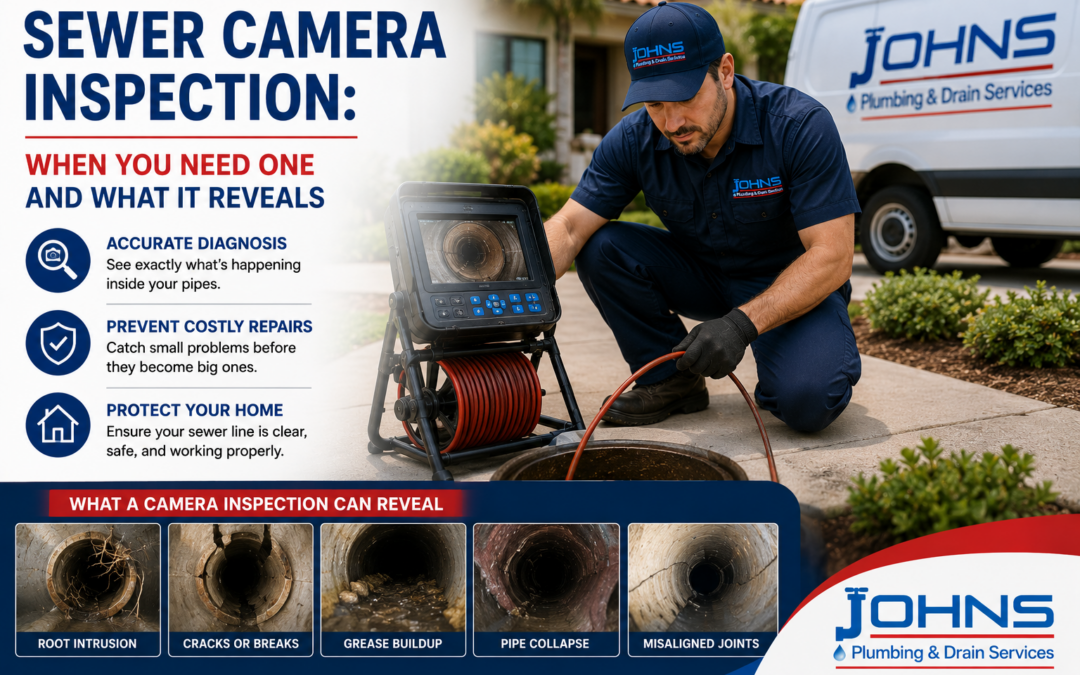
Understanding what’s happening behind the scenes is key to solving plumbing problems. A sewer inspection can reveal a lot about why your toilet might be clogging frequently. This process involves using advanced cameras to inspect the sewer lines. These cameras help spot blockages, breaks, and other serious issues that aren’t visible from a simple exterior check.
Regular sewer inspections can catch potential problems early, making them a smart choice for preventing bigger headaches down the line. They also allow you to maintain a healthy plumbing system by keeping the lines clear and functioning well. Think of a sewer inspection like getting a medical check-up. It might not be urgent, but it keeps everything in check and helps prevent future problems.
Effective Solutions to Prevent Toilet Clogs
Nobody likes dealing with a clogged toilet, so it’s best to take steps to prevent them. Here are some practical tips:
– Educate Household Members: Make sure everyone in your home knows what should and shouldn’t be flushed. Keep a small trash can nearby for items that belong in the trash instead of the toilet.
– Regular Maintenance: Schedule periodic professional inspections to ensure everything is running smoothly. Regular maintenance can help spot issues before they become bigger problems.
– Upgrade When Needed: If you have an older toilet, consider upgrading to a newer model designed to be more efficient and clog-resistant. This may reduce the frequency of clogs and save water.
Taking these steps can significantly reduce the chances of encountering a clog. Plus, simple habits can result in a big difference in your plumbing’s overall health.
Professional Help: When to Call a Plumber
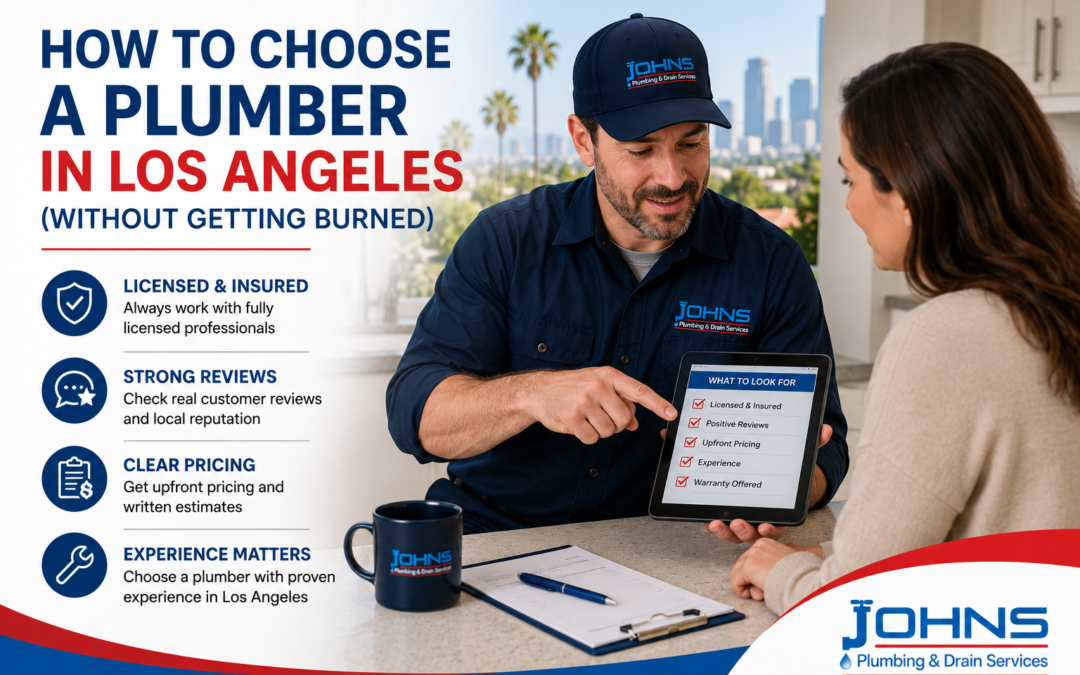
Sometimes, despite your best efforts, a toilet will still clog. It’s important to know when it’s time to call in the professionals. If you’re dealing with clogs that don’t resolve with basic plunging or if you’re noticing frequent blockages, it might be time to get expert help. A professional plumber has the tools and experience to identify and tackle the root cause of the problem effectively.
They can offer solutions that go beyond just clearing a blockage, such as addressing any underlying plumbing design issues or recommending repairs. Calling in a plumber might also be beneficial if you suspect a more significant issue, like a blockage further down in the sewer line. These situations require skilled evaluation and proper equipment to resolve.
Keep Your Plumbing Running Smoothly
Taking action to address the reasons behind frequent clogs can spare you frustration and inconvenience. With informed decisions on flushing habits and proactive maintenance, you can keep your plumbing system in top shape. Regular sewer inspections offer insight into potential problems, allowing you to address them before they become major concerns. By adopting some simple habits and scheduling periodic checks, you maintain not just a clog-free bathroom but a more comfortable home overall.
By understanding the causes of toilet clogs and taking preventive measures, you can avoid the hassle of plumbing issues. Regular maintenance and proper flushing habits can make all the difference. If clogs persist, a sewer inspection can reveal hidden problems that need attention. For expert support and long-term solutions, trust John’s Plumbing & Drain Services to help you maintain a worry-free home.