Standard home inspections cover a lot of ground — the roof, foundation, electrical panel, HVAC system, visible plumbing, and more. What they do not cover is the sewer lateral buried under the yard connecting the house to the city main. That pipe is invisible to a general inspector, and it can be hiding thousands of dollars in damage that becomes your problem the moment you close escrow.
In a market like Burbank, where much of the housing inventory was built 50 to 80 years ago with clay or cast iron sewer laterals, skipping the sewer scope is a gamble no buyer should take.
What the Camera Reveals
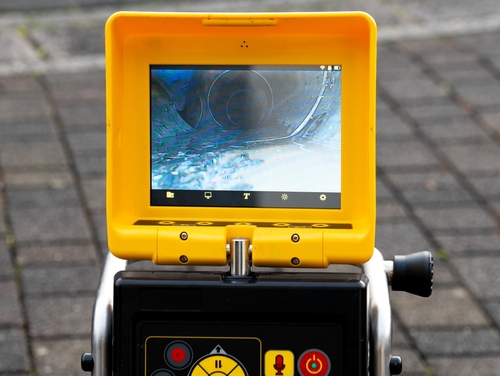
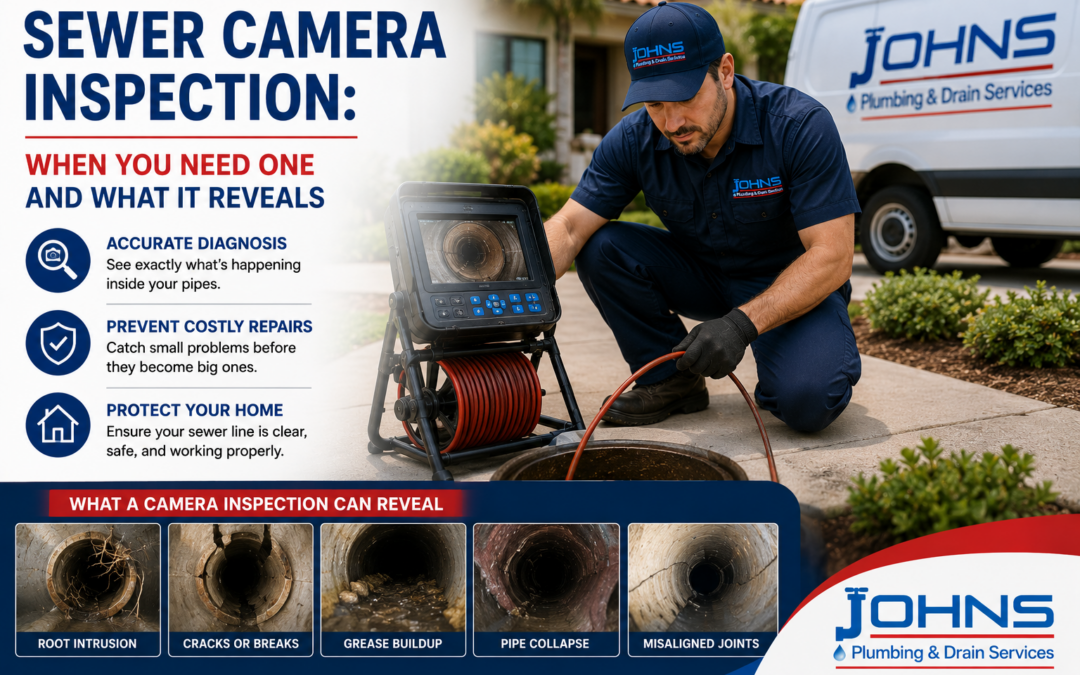
A sewer camera inspection involves feeding a waterproof, high-resolution camera through the sewer cleanout and recording the interior condition of the entire lateral from the house to the city connection. The camera reveals root intrusion at joints, cracks and fractures in the pipe walls, bellied sections where the pipe has sunk and collects standing water, offset joints where sections have shifted, and complete blockages from collapsed pipe or heavy scale buildup.
None of these conditions are visible from above ground, and none of them show up on a standard home inspection. A general inspector may test that drains flow, but flowing drains do not mean the sewer line is in good shape — it means it has not failed completely yet.
Why Burbank Properties Are Especially Vulnerable
Burbank’s residential neighborhoods were developed primarily in the 1940s through 1960s. Sewer laterals from this era are typically Orangeburg (tar paper pipe), vitrified clay, or cast iron — all materials with finite lifespans that most Burbank homes have exceeded. The City of Burbank Public Works Department maintains the public sewer mains, but the lateral from the main to your house is private property and your financial responsibility.
Mature trees are abundant throughout Burbank neighborhoods, and their roots are the number one cause of sewer lateral damage in the area. Even small cracks in an aging pipe emit enough moisture to attract root growth, and once roots enter the pipe, they expand rapidly and cause progressive damage.
The Cost of Not Looking
A sewer lateral replacement in Burbank can cost $5,000 to $15,000 or more depending on depth, length, and surface material above the pipe. A buyer who discovers this damage after closing has no recourse against the seller unless the seller knowingly concealed a known defect.
In contrast, a pre-purchase sewer camera inspection typically costs $150 to $350. That investment gives you either a clear report or negotiating leverage. If the camera reveals damage, you can request a seller credit, a price reduction, or a pre-close repair. If the line is clean, you move in knowing one of the most expensive hidden risks has been ruled out.
What Good Results Look Like
A healthy sewer lateral shows smooth, unobstructed interior walls, no root intrusion at joints, consistent slope from the house to the city connection, and no standing water in bellied sections. Minor joint offsets in an otherwise intact clay line are common and not necessarily urgent, but they should be monitored.
If the camera shows moderate root intrusion in a structurally sound pipe, hydro jetting can clear the roots and pipelining can seal the entry points. If the pipe is severely damaged, sewer line replacement — potentially using trenchless methods — may be necessary.
Make It Part of Your Due Diligence
Your real estate agent may or may not suggest a sewer scope. Make it a non-negotiable part of your pre-purchase inspection process in Burbank regardless. A qualified Burbank plumber can perform the inspection, provide the recorded video, and explain the findings so you can make an informed buying decision.
The prettiest house on the block is not a good investment if its sewer line needs $12,000 in repairs six months after you move in.