When a sewer camera reveals cracks, root entry points, or moderate corrosion in a Burbank home’s sewer lateral, the homeowner faces a choice: dig it up and replace it, or rehabilitate it from the inside without excavation. More Burbank homeowners are choosing the second option — epoxy pipelining — and for good reason.
What Epoxy Pipelining Actually Does
Epoxy pipelining — technically called cured-in-place pipe or CIPP — inserts a resin-saturated fabric liner into the existing damaged sewer pipe. The liner is expanded against the pipe walls using air pressure, and the epoxy resin cures in place to form a rigid, seamless new pipe inside the old one. When the curing process is complete, the result is a smooth, jointless pipe with no cracks, no root entry points, and a lifespan exceeding 50 years.
The entire process is performed through existing access points — typically the sewer cleanout — with no trenching required along the pipe route. For Burbank homeowners, this means the driveway, landscaping, sidewalks, and hardscape remain untouched.
Why It Beats Traditional Excavation
Traditional sewer line replacement requires digging a trench from the house to the city sewer connection, removing the old pipe, installing a new one, backfilling the trench, and restoring whatever was above it — concrete, landscaping, irrigation lines, fencing. The restoration costs alone can equal or exceed the pipe replacement cost.
Pipelining eliminates virtually all of that disruption. The work typically takes one day, compared to three to five days for excavation. There is no heavy machinery in your yard, no pile of dirt on your driveway, and no six-week wait for new sod to take root.
For pipes that run under structures — patios, garages, additions — pipelining is often the only viable option, since excavation would require demolishing and rebuilding the structure above the pipe.
When Pipelining Is the Right Choice
Pipelining is ideal for sewer laterals that have cracks, minor breaks, root intrusion at joints, and moderate corrosion but remain structurally intact. The existing pipe needs to maintain its general shape so the liner can be inserted and inflated against the walls.
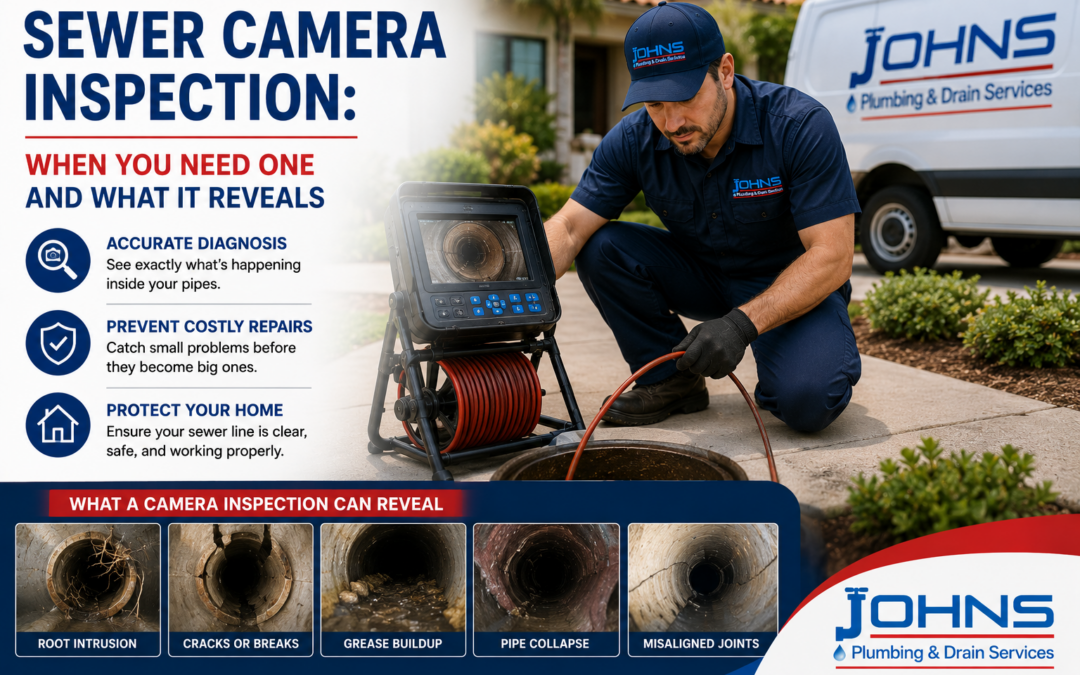
A sewer camera inspection determines whether the pipe qualifies. If the footage shows a collapsed section, a severely bellied pipe, or a pipe that has lost significant structural integrity, pipelining may not be appropriate and pipe bursting or full replacement becomes the better option.
The pipe must also be cleaned before lining. Hydro jetting removes roots, grease, and scale from the interior walls so the epoxy liner bonds directly to clean pipe surface. This preparation step is critical for a successful, long-lasting result.
Cost Comparison
Pipelining typically costs less than traditional excavation and replacement when you factor in the full project — not just the pipe work, but the restoration of everything that gets torn up during excavation. The per-foot cost of the liner itself may be comparable to new pipe material, but the savings on labor, equipment, and restoration make pipelining the more economical total project for most Burbank residential applications.
Every project is different, and a Burbank plumber experienced in trenchless methods will provide a detailed estimate based on the specific camera findings for your property.
The Result
After pipelining, the homeowner has a sewer lateral with a smooth, jointless interior that resists root intrusion, corrosion, and scale buildup. The new lining meets all applicable plumbing codes and carries a warranty that gives homeowners confidence in the repair for decades.
For Burbank homeowners who want their sewer line fixed without destroying their yard in the process, epoxy pipelining delivers exactly that.