Quick Answer: The most common reasons for an unexpected water bill increase in Los Angeles are a running toilet, a hidden supply line leak, a slab leak, a malfunctioning irrigation system, or a faulty water softener. Start by checking your toilets for internal leaks and your water meter for flow when everything is off. If the meter shows usage and you cannot identify the source, call a plumber for professional leak detection.
You open your water bill and the number does not make sense. You have not changed anything about how you use water, nobody moved in, and you did not fill a pool. Yet the bill jumped by $50, $100, or even more. Something is using water that you did not authorize, and the most common culprit is hiding somewhere in your plumbing system.
The Running Toilet You Do Not Hear
A toilet with a slow internal leak can waste 200 gallons per day without making any obvious noise. The flapper at the bottom of the tank may not be sealing completely, allowing water to trickle continuously from the tank into the bowl. The fill valve replenishes what is lost, so the tank never runs dry, and the leak goes undetected.
To test for this, put a few drops of food coloring in the tank and wait 15 minutes without flushing. If the color appears in the bowl, the flapper is leaking. This single issue accounts for more unexplained water bill spikes than any other cause. The EPA estimates that a leaking toilet can waste up to 6,000 gallons per month.
A new flapper or fill valve is an inexpensive fix that pays for itself on the very next bill.
Hidden Supply Line Leaks
If the toilet check comes back clean, the next step is the water meter test. Turn off every fixture, appliance, and outdoor hose bib in the house. Check the meter. If the flow indicator is still moving, water is leaving the system through a leak you cannot see.
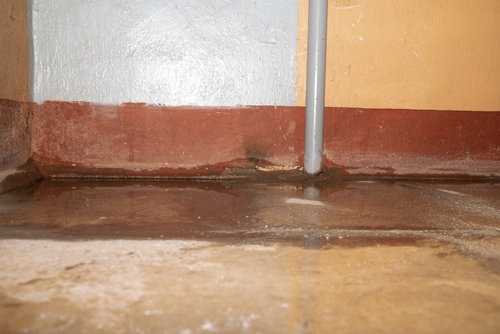
Hidden leaks in Los Angeles homes commonly occur in supply lines running under slab foundations, behind walls, and in crawl spaces. Older copper pipes develop pinhole leaks from friction wear and corrosion, and galvanized steel supply lines corrode internally and eventually fail at weak points. These leaks can run for weeks or months before visible damage appears on the surface, but they show up on the water bill immediately.
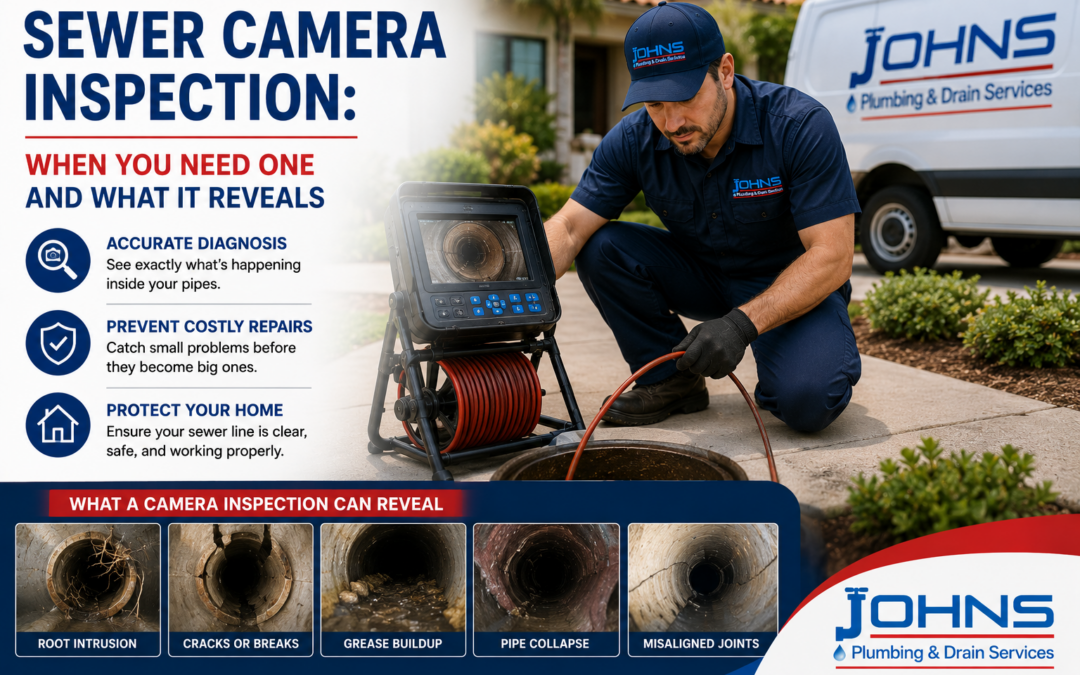
Professional leak detection uses acoustic sensors and thermal imaging to locate the leak without invasive demolition. Catching it early avoids both water waste and the structural damage that comes with prolonged moisture exposure.
Irrigation System Leaks
Outdoor water use is a significant portion of residential consumption in Los Angeles, and irrigation leaks are notoriously easy to miss. A broken sprinkler head spraying into a fence, a cracked supply line buried underground, or a zone valve that does not fully close can waste hundreds of gallons per day.
Walk each irrigation zone manually and look for pooling water, uneven spray patterns, or areas that stay soggy long after the system has shut off. Outdoor plumbing maintenance should include seasonal irrigation checks, especially after dry months when soil shifting can stress buried lines.
Water Heater Issues
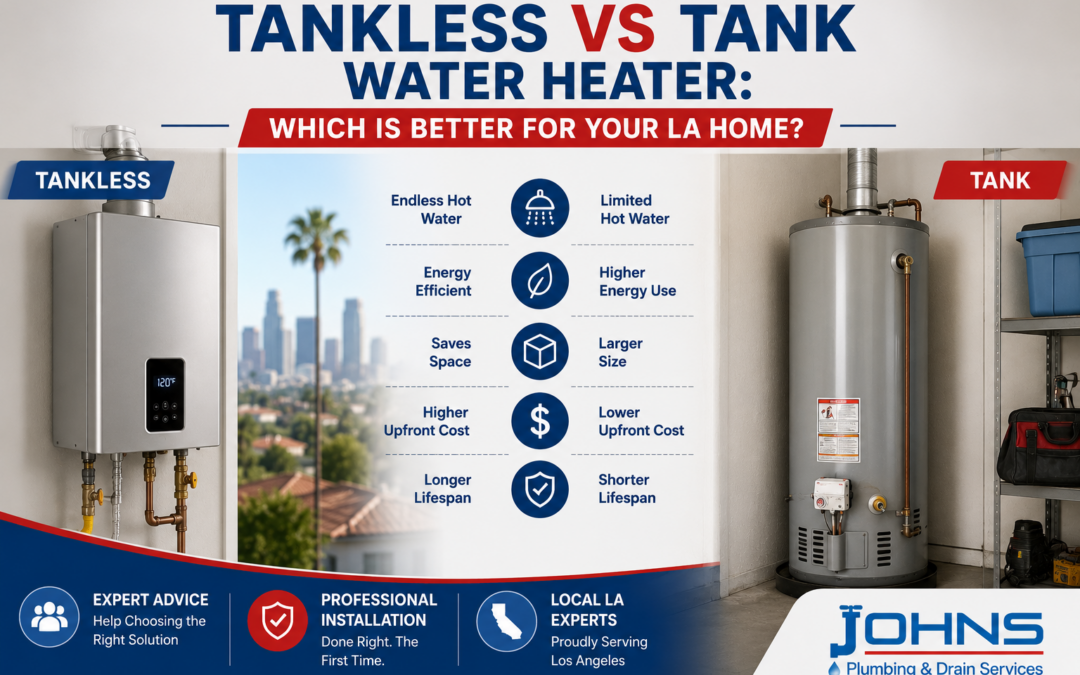
A failing pressure relief valve on your water heater can discharge water continuously into the drain line, wasting significant volume without any visible leak on the floor. Check the discharge pipe on the side or top of the unit. If water is dripping or flowing from it, the valve needs replacement or the tank pressure needs evaluation.
Malfunctioning Water Softener or Filtration System
Water softeners regenerate on a cycle, and a unit that is stuck in regeneration mode will send water to drain continuously. If you have a water filtration system, check its drain line for constant flow that should not be happening.
What to Do Next
If your own investigation does not identify the source, call a licensed Los Angeles plumber for a full diagnostic. The plumber can pressure test the system, run the meter isolation test to determine whether the leak is on the hot or cold side, and use detection equipment to pinpoint the location. The cost of a leak detection visit is a fraction of what continued water waste and hidden damage will cost if the problem goes unaddressed.
The LA Department of Water and Power may offer a leak adjustment on your bill if you can document that the spike was caused by a hidden leak that has since been repaired. Contact them after the repair is complete.
FAQs
How much can a small hidden leak add to my water bill? A pinhole leak running at roughly one drip per second wastes over 3,000 gallons per year. A moderate leak in a supply line can waste several thousand gallons per month, adding $50 to $200 or more to each billing cycle.
Will LADWP adjust my bill if I had a leak? LADWP may offer a one-time bill adjustment if you can provide documentation of the leak and proof that it has been repaired. Contact their customer service after the repair is completed.
Can a running toilet really waste that much water? Yes. A running toilet with a moderate flapper leak can waste 200 gallons per day, which adds up to roughly 6,000 gallons per month. That is one of the largest sources of residential water waste.
How do I check my water meter for a leak? Turn off all water inside and outside your home. Locate your meter, usually near the sidewalk in a ground-level box. Check the flow indicator dial or the sweep hand. If it is moving, water is flowing somewhere on your property.