Walk through any residential neighborhood in Glendale — from the hillside homes near Chevy Chase Canyon to the bungalows south of Broadway — and you will find homes that are beautiful on the outside and dragging a 40-gallon anchor in the garage. That anchor is a traditional tank water heater, and more Glendale homeowners are finally replacing it with a system that makes a lot more sense.
Tankless water heaters are not new technology, but adoption in the Glendale area has picked up noticeably in the past few years, driven by rising energy costs, garage conversion trends, and a growing awareness that a 12-year-old tank sitting in the corner is both a liability and a waste of space.
How Tankless Systems Work
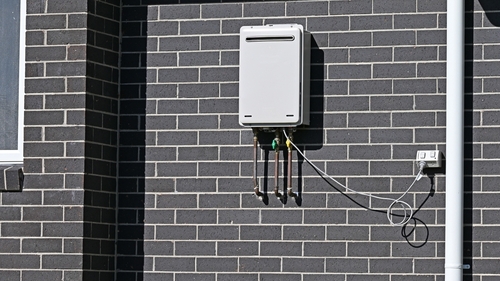
Unlike a tank water heater that keeps 40 to 50 gallons of water hot 24 hours a day whether you need it or not, a tankless system heats water on demand the moment you turn on a hot water tap. Cold water passes through a heat exchanger powered by gas or electricity, and hot water comes out the other side in seconds. When you turn the tap off, the system stops heating.
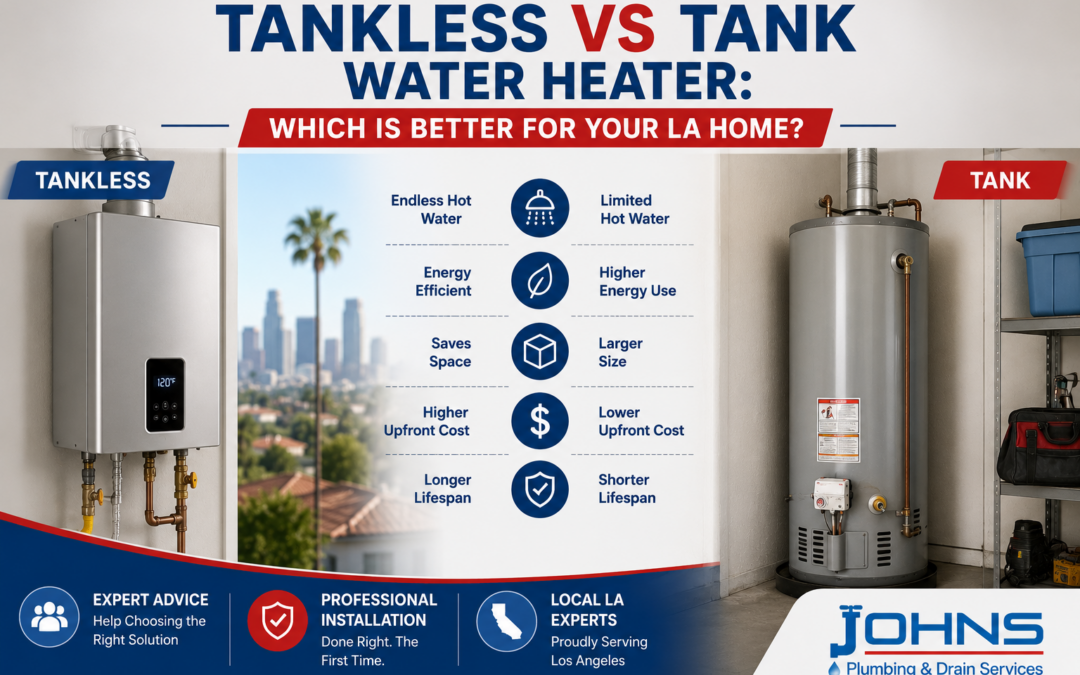
This means no standby heat loss — the energy wasted keeping a tank full of hot water sitting idle for hours between uses. The U.S. Department of Energy estimates that tankless systems can be 24 to 34 percent more energy efficient than conventional tanks for average-use households.
Why Glendale Specifically
Glendale’s housing stock includes a huge number of homes built between the 1920s and 1960s — compact homes where every square foot matters. A traditional tank water heater takes up roughly nine square feet of floor space in a garage or utility closet. A tankless unit mounts on a wall, freeing up that floor area for storage, a workbench, or a garage conversion project.
Many Glendale homeowners are also dealing with the aftermath of hard water damage on their existing tanks. Southern California’s mineral-heavy water accelerates sediment buildup inside tanks, reducing efficiency and shortening lifespan. Tankless units are not immune to scale, but they are far easier to maintain — an annual vinegar flush keeps the heat exchanger clean and the system running efficiently for 20 years or longer.
The Space and Safety Argument
Tank water heaters are one of the most common sources of residential water damage. When a tank fails, it can release 40 to 50 gallons of water into your home at once, damaging flooring, walls, and stored belongings. The emergency guide to water heater leaks walks through what to do if this happens, but the better strategy is eliminating the risk altogether.
With a tankless system, there is no reservoir of water waiting to flood your garage. The unit is mounted off the floor, out of the way, and has a lifespan roughly double that of a standard tank. For Glendale homeowners who plan to stay in their homes long-term, the math works out comfortably in favor of tankless.
What Installation Involves
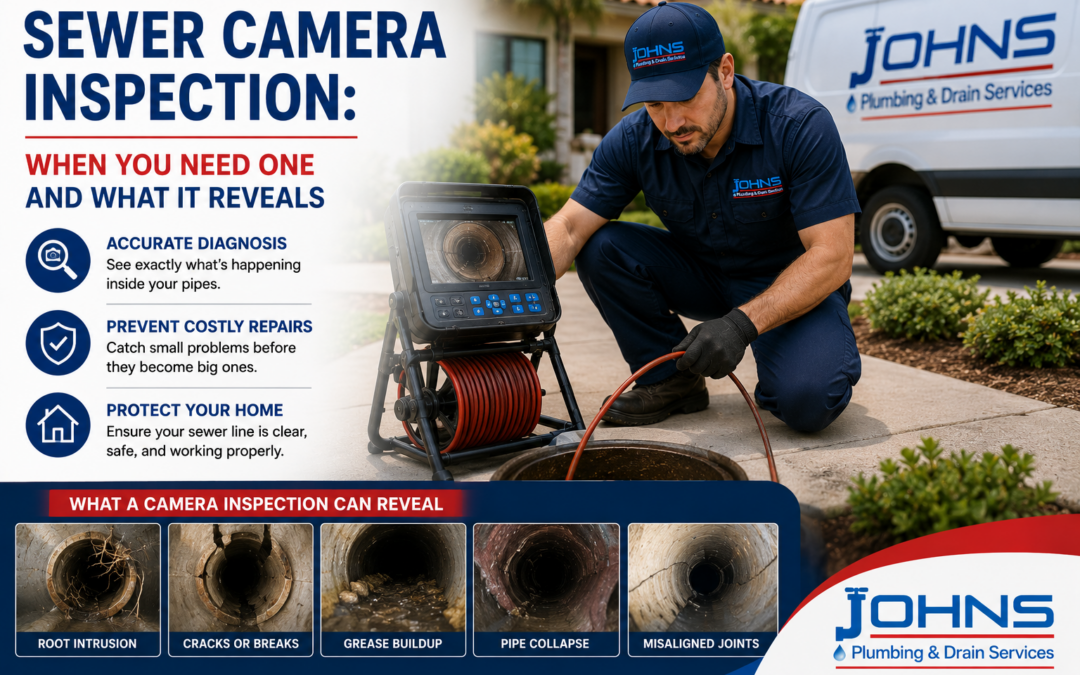
Switching from tank to tankless is not a simple swap. It requires a licensed plumber to evaluate your gas line capacity, upgrade the gas supply if needed, install proper venting, and configure the unit for your household’s hot water demand. Brands like Rinnai and Navien — the systems most experienced Glendale plumbers recommend — offer different models sized for different usage levels.
A professional installation ensures proper gas pressure, correct venting, and code compliance. Cutting corners on installation is how homeowners end up with lukewarm water, error codes, and warranty issues.
Is Tankless Right for Your Glendale Home?
If your current water heater is more than 10 years old, if you are tired of running out of hot water, or if you want to reclaim garage space, a tankless upgrade is worth a serious conversation with a licensed plumber. The upfront cost is higher than a tank replacement, but the energy savings, longer lifespan, and added home value close that gap over time.