Quick Answer: It depends on what’s clogging your line and how healthy your pipes are. Hydro jetting uses a high-pressure water jet to scour pipe walls and remove grease buildup, sludge, mineral scaling, and even some tree roots making it best for recurring clogs and deep buildup. Snaking (augering) uses a flexible metal cable to punch through or pull out a blockage, so it’s ideal for a one-time clog caused by hair, paper products, or food particles. If your system has fragile, older, or corroded pipe materials, jetting can be risky without a camera inspection first. For main sewer line clogs, the right method is the one that clears the blockage and prevents it from returning soon. Use the guide below to choose safely.
Why High-Pressure Drain Cleaning Solves Recurring Clogs
Hydro jetting is more than clearing a clog it’s pipe wall cleaning. Instead of leaving residue behind, it scrubs the inside of the line so debris doesn’t cling as easily.
Unlike basic augering, high-pressure water cleaning removes buildup from the entire pipe wall instead of just punching a hole through the blockage. This is where homeowners begin to see the benefits of hydro jetting, especially when grease, sludge, and mineral scaling continue to cause slow drains after traditional snaking. By restoring the pipe’s full interior diameter, flow improves and the risk of repeat clogs drops significantly.
Tip: If you’ve had the same drain slow down repeatedly, the problem is usually layered buildup on the pipe walls, not a single chunk clog.
What Snaking Does Best (And What It Can’t Do)
Snaking is the traditional first-line approach for many drains. A plumbing snake (drain auger) is a flexible metal cable with a corkscrew tip or rotating blades. It’s fed through the drain until it hits resistance, then the crank handle turns the auger head to break through or hook the obstruction.
A snake is fast and effective for:
- hair clogs and soap scum near fixtures
- paper products and flushable wipes
- food particles lodged in a bend
- a one-time toilet backup
But snaking usually doesn’t scrub pipe walls. It can open a path through the clog while leaving buildup behind so recurring clogs can return.
This is the key difference between snaking and hydro jetting a drain: one cuts a channel; the other cleans the pipe’s interior.
Hydro Jetting vs Snaking: The Simple Decision Rule
If you want a quick rule that works in real life:
- Choose snaking when the clog is new, localized, and likely soft.
- Choose hydro jetting when the issue is recurring, greasy, sludgy, rooty, or deep.
Is Hydro Jetting Safe for Old Pipes Compared to Snaking?
When homeowners compare drain cleaning methods, one of the most common concerns is hydro jetting is safe for old pipes. The answer depends on pipe material, corrosion level, and structural integrity. While snaking applies localized mechanical force and is often safer for fragile or aging lines, hydro jetting uses high-pressure water that can expose weak spots in older pipes if pressure is not properly regulated. A camera inspection is critical to determine whether hydro jetting or snaking is the safer option for an older plumbing system.
What Hydro Jetting Removes That Snaking Often Leaves Behind
Hydro jetting shines when the clog is more like layers than a single blockage.
It can remove:
- grease buildup from cooking oils and dishwashing
- sludge and waste stuck to pipe walls
- mineral deposits and mineral scaling
- silt and sand in the line
- bacteria that contribute to unpleasant odors
- some tree roots intrusion (depending on severity)
When people search about what is hydro jetting a sewer line, what they usually mean is: Can it clean the main line and restore near-original flow? In many cases, yes because it cleans the full radius of the pipe, not just a small tunnel.
When Snaking Is the Safer First Step (Especially for Older Pipes)
A major gap in many competitor posts is they say jetting is better but don’t clearly explain when snaking is smarter.
Snaking can be safer when:
- you have older or corroded / fragile pipes
- there’s a chance of structural issues (offsets, collapsed pipes)
- you suspect chemical drain cleaners previously weakened the line
- you need to open the line just enough for a camera inspection
Quick fix: If one fixture is clogged, try a plunger first (especially toilets). If that fails, a small hand snake may help but avoid forcing it aggressively, which can damage traps and fittings.
Is Hydrojetting Safe for All Pipes?
This is where homeowners get into trouble. Hydro jetting uses a high-pressure water jet (sometimes referenced in PSI ranges, like up to 8,000 PSI for professional equipment). That power can be excellent unless the pipe is already compromised.
Hydro jetting is generally safest for:
- modern PVC and newer systems
- lines confirmed structurally sound by video pipe inspection
- clogs caused by grease, sludge, or scaling
Use caution with:
- clay lines, very old cast iron, Orangeburg, or heavily corroded sections
- pipes with cracks, offsets, or partial collapse
- unknown conditions without camera inspection
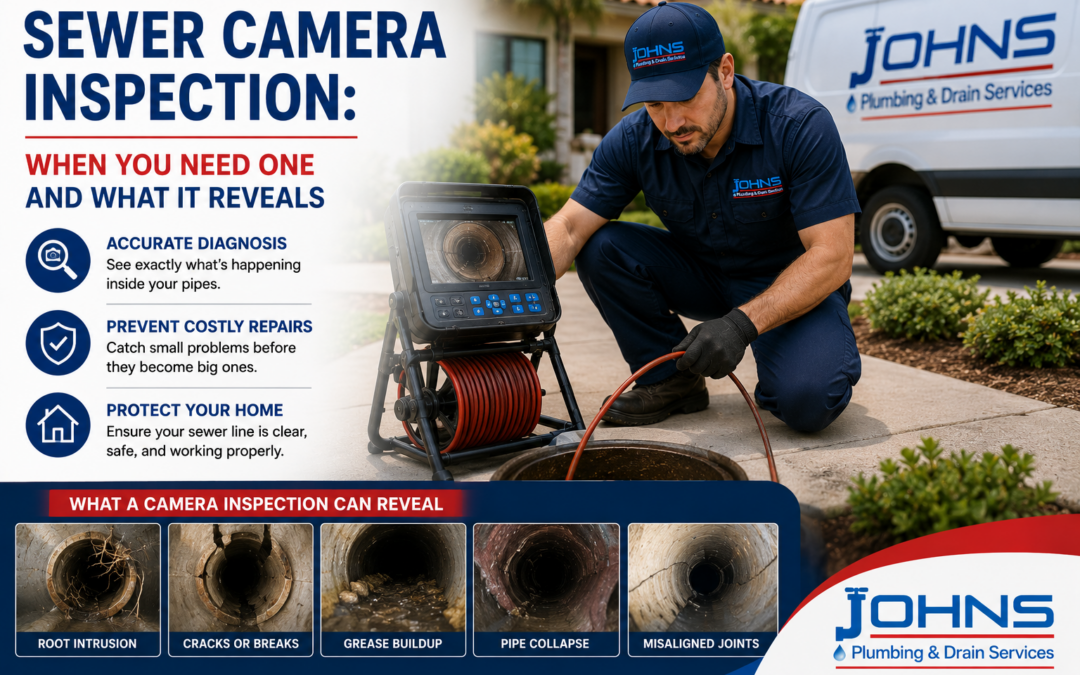
This is why the best practice is camera inspection before jetting the main line especially if you’re dealing with a main sewer line clog or repeated backups.
Quick Yes/No Checklist Before You Choose
| Your Situation | Start With | Why |
| One-time clog in sink/tub | Snaking | Fast, targets localized blockage |
| Toilet backup (single toilet) | Snaking | Auger head works well on toilet traps |
| Recurring clogs and slow drains | Hydro jetting | Scrubs pipe walls and prevents buildup |
| Grease-heavy kitchen line | Hydro jetting | Cuts grease and fat deposits thoroughly |
| Tree roots intrusion suspected | Camera inspection → Hydro jetting (maybe) | Confirms severity; jetting may help mild cases |
| Older/fragile pipes | Camera inspection → Snaking | Safer; avoids pressure damage |
Hydro Jetting Pros and Cons (Realistic, Not Salesy)
Hydro jetting can be a game changer, but it’s not magic.
Pros
- Deep clean of pipe walls, not just a hole through the clog
- Great for cleaning sewer drains with grease, sludge, and scaling
- Helps reduce recurring clogs by removing buildup
- No chemical drain cleaners needed
Cons
- Higher cost than snaking
- Not suitable for all older/damaged lines
- Requires specialized nozzles, training, and usually camera inspection
- If used incorrectly, can worsen weak pipes
This balanced view matters because hydro jetting is better than snaking isn’t a universal yes. It’s yes when the pipe is sound and buildup is the problem.
What Causes Main Sewer Line Clogs (So You Fix the Real Problem)
Main sewer clogs often come from:
- grease from kitchen sinks and dishwashers
- flushable wipes and paper products
- food particles and waste
- tree roots wrapping through joints
- mineral buildup and sludge
- structural issues like collapsed pipes or offsets
Symptoms include unpleasant odors, multiple slow drains, gurgling sounds, and toilet backups.
If you’re repeatedly dealing with cleaning sewer line clogged issues, the best move is diagnosing first, then selecting the method that removes the cause, not just the symptom.
What to Expect During Professional Hydro Jetting (No Surprises)
Most professional workflows look like this:
- Camera inspection to locate the clog and spot weak areas
- Jetting hose and specialized nozzles selection
- High-pressure water jet cleaning through the affected sections
- Final inspection to confirm the line is clear and pipe walls are clean
- Maintenance tips to prevent another clog
This is also where high pressure sewer line cleaning differs from DIY attempts: professionals match nozzle type, flow, and pressure to pipe condition.
When to Snake First, Jet Later
Sometimes the best plan is a two-step approach:
- Snake first to open a passage through the blockage
- Then perform a camera inspection
- Then hydro jetting for full pipe wall cleaning
That hybrid approach is often the best answer to hydro jet vs snake debates when the line is packed tight or you need diagnostic clarity.
DIY Do This First Steps (Safe Quick Fixes)
Here’s what you can do before calling in equipment-heavy solutions.
Safe first steps
- Stop using water on the affected drain to avoid overflow
2. Try a plunger (especially toilets)
3. Remove and clean the sink P-trap (if you’re comfortable)
4. Use a small hand snake for a short, localized clog
5. Avoid chemical drain cleaners (they can weaken pipe materials)
6. If multiple fixtures are slow, suspect a main line issue and stop DIY force
Tip: If you smell sewer gas or notice multiple slow drains at once, treat it as a main sewer line problem not a single fixture clog.
How to Know Which Method You Need (Symptoms Guide)
The symptoms your plumbing system shows often point clearly to the right solution. By paying attention to how drains behave, where backups occur, and how often the problem returns, you can usually tell whether a simple mechanical clearing is enough or if deeper pipe cleaning is required.
Snaking is usually enough when…
- One drain is slow, others are fine
- You had a one-time incident (food particles, paper products)
- The clog is close to the fixture
- Your pipes are older and you want the gentlest approach
Hydro jetting is usually better when…
- You have recurring clogs or frequent backups
- The line is grease-heavy or sludgy
- You want pipe wall cleaning to restore full flow
- Odors and buildup keep returning
Cost, Time, and How Long Will It Last?
A fair comparison includes not just price, but how long results last.
Practical Comparison
| Factor | Hydro Jetting | Snaking |
| Method | High-pressure water jet | Flexible metal cable / drain auger |
| Pipe wall cleaning | Yes | No (usually) |
| Best for | Grease, sludge, scaling, recurring clogs | One-time clogs, localized blockages |
| Typical time | 1-2 hours | 30–60 minutes |
| Upfront cost | Higher | Lower |
| Long-term effectiveness | High (if pipes are sound) | Moderate (may recur if buildup remains) |
When a Sewer Backup Is Happening Right Now
If you have a sewage smell, multiple drains backing up, or toilet overflow, don’t keep testing drains. Shut off water use and contain any overflow.
In active backups, hydro jetting experts for sewer backups can clear the blockage and clean the line so you’re not dealing with the same mess again next week.
Give it a couple paragraphs before the next internal keyword.
In the meantime, ventilate the area, keep kids/pets away, and avoid running dishwashers, laundry, or long showers that can push more water into the blockage.
Who Should You Call (And What to Ask)
Not every technician will choose the safest method unless you ask the right questions.
Questions to ask before any jetting
1.Will you do a camera inspection first?
2. What pipe materials do I have (PVC, cast iron, clay)?
3. What nozzle type will you use for grease vs roots?
4. Will you do a final camera pass after cleaning?
5. How can I prevent grease buildup and sludge?
For main line problems and recurring clogs, sewer experts who understand pipe materials and root intrusion patterns can prevent trial-and-error fixes.
A reliable provider will explain whether the line is structurally sound and whether jetting pressure should be reduced for older sections.
Maintenance Tips That Keep Clogs From Coming Back
Small habits make a huge difference:
- Don’t pour cooking grease down the drain (wipe pans first)
- Use sink strainers to catch food particles
- Flush kitchen lines periodically with hot water (not boiling) and dish soap
- Schedule preventive cleaning if you have recurring issues or large trees nearby
Tip: The goal is to prevent buildup on pipe walls so you don’t need frequent emergency clearing.
When your home needs a long-lasting solution, certified plumbing experts can confirm whether snaking is enough or if hydro jetting is the safer long-term option based on camera findings.
Call John’s Plumbing & Drain Services for Fast Help
If you’re dealing with backups, slow drains, or recurring clogs and want the safest long-term fix, John’s Plumbing & Drain Services can help you choose the right method, clear the line, and keep it flowing. Call: 3234227485
FAQs About Hydro Jetting vs Snaking
Is hydro jetting better than snaking for recurring clogs?
Yes, in many cases, because hydro jetting cleans pipe walls and removes buildup that causes clogs to return if the pipes are structurally sound.
What is the difference between snaking and hydro jetting a drain?
Snaking uses a cable/auger to break through a clog, while hydro jetting uses pressurized water to scour pipe walls and flush debris.
What is hydro jetting a sewer line?
It’s high pressure sewer line cleaning using a jetting hose and nozzle to remove grease, sludge, mineral scaling, and some roots from inside the sewer pipe.
Can hydro jetting damage old pipes?
Yes, it can if pipes are cracked, corroded, or fragile. A camera inspection is the safest way to decide.
Which is better for tree roots: snaking or hydro jetting?
Mild root intrusion may respond to hydro jetting, but severe intrusion or structural damage may require additional solutions beyond either method.