Quick Answer: Hydro jetting is safe if the pipe is structurally sound and pressure is matched to the material and condition. The safest path is a drain camera / sewer camera inspection first to spot corrosion, rust flakes, cracks, weak spots, root intrusion, or collapse risk. If pipes are fragile (old clay, badly corroded cast iron, brittle PVC/ABS, or failing galvanized steel), high-pressure water jets can trigger leaks or pipe collapse. Use controlled PSI, the right nozzle, and avoid blast and guess cleaning. When risk is high, choose gentler options like snaking, targeted cleaning, or pipe rehabilitation.
Start Here: What Old Pipes Usually Means (And Why Age Isn’t the Only Factor)
Many homeowners automatically assume old means unsafe. In reality, age matters but condition matters more. A 70-year-old line can be safer than a 25-year-old line if it has good integrity and minimal corrosion.
Old pipes commonly include cast iron pipes, clay pipes, galvanized steel pipes, copper pipes, and early plastics like PVC/ABS (and sometimes polybutylene). These materials react differently to high-pressure streams of water and scouring pipe walls.
Tip: If your home has recurring clogs, don’t jump straight to power cleaning first verify what the pipe is made of and whether it has structural integrity left.
Hydro Jetting vs Snaking for Old Pipes (When Each Wins)
Is hydro jetting is better than snaking for old pipes? Hydro jetting is best when you need full-wall cleaning (grease, sludge, mineral scaling). Snaking is often best when the pipe is fragile or the clog is localized.
| Situation | Hydro Jetting | Snaking |
| Recurring grease buildup | ✅ Best | ⚠️ Temporary |
| Hard water mineral deposits | ✅ Best | ❌ Limited |
| Fragile clay or collapsing line | ❌ Risky | ✅ Safer |
| Localized soft clog | ⚠️ Overkill | ✅ Best |
| Roots in sound pipe | ✅ Sometimes | ✅ Sometimes |
The #1 Safety Rule: Inspect First, Then Choose Pressure
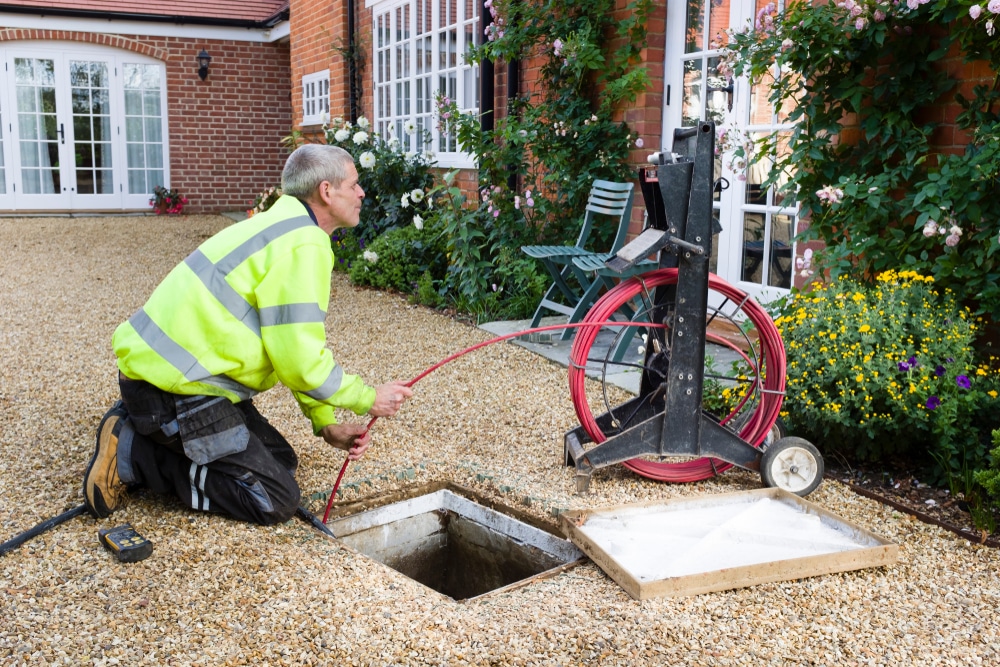
Before any high-pressure cleaning, you need a real look inside the line. This is why the first step should be a video inspection using a sewer camera inspection setup.
Homeowners often ask whether hydro jetting benefits; make more sense than repeated cleanings when the line is structurally failing especially after inspections show cracks, offsets, or collapse risk.
A camera inspection helps confirm:
- Cracks and weak spots
- Corrosion, rust, and rust flakes
- Residue buildup, mineral deposits, and hard water mineral buildup
- Tree roots / root intrusion
- Offsets, bellies, or near pipe collapse
- Grease buildup and sludge layers that cause repeat blockages
How Hydro Jetting Works (And Why It’s Different Than Snaking)
Hydro jetting uses a specialized hydro jetting machine to send high-pressure water jets through a flexible hose ending in a specialized nozzle. The nozzle creates targeted blasts that scour the interior pipe walls, stripping away debris, grease buildup, sediment, mineral buildup, and even some tree roots. Typical pressure ranges vary widely:
- Many residential applications run far below the maximum
- Some companies mention up to 4,000 PSI for main sewer lines
- You’ll also see extreme claims like 35,000 PSI that’s not typical for residential drains and should raise questions
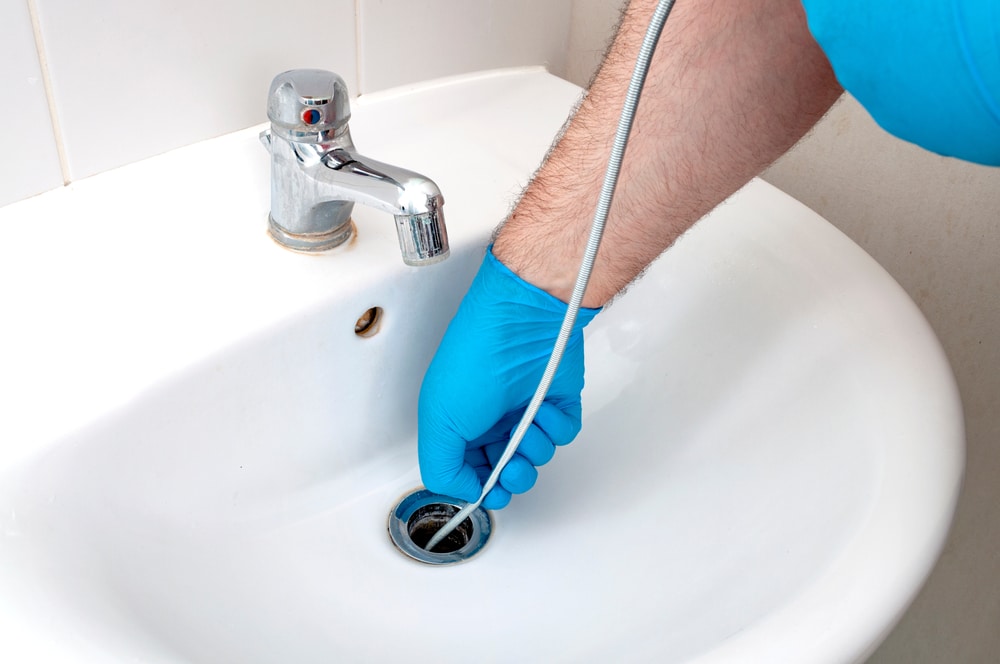
Snaking, by contrast, is mechanical. It may open a pathway through a clog but often leaves residue buildup on the walls.
Due to this difference hydro jetting old pipes can be either a great reset or a bad idea if the pipe is already compromised.
The Real Risk: When High Pressure Makes Weak Pipes Fail
Even when people ask is hydro jetting safe for old pipes, what they’re really worried about is: Will it crack my line? Here’s what can go wrong when a pipe is vulnerable:
- Existing cracks expand into leaks
- Corroded cast iron sheds scale and forms new blockages
- Fragile clay fractures around joints after root intrusion
- Brittle PVC/ABS may crack at joints under stress
- Galvanized lines can break at thin sections
- Weak areas may progress into partial pipe collapse
Quick fix: If you notice water pressure drops after cleaning, stop using heavy flow fixtures and schedule a camera re-check, pressure changes can signal a dislodged obstruction or a weakened section.
Material-by-Material Safety Guide (Old Pipe Risk Chart)
Below is a practical guide for homeowners deciding if high-pressure cleaning is reasonable.
| Pipe Material | Common Old Pipe Problem | Jetting Risk Level | What to Check First |
| Cast Iron | Corrosion, rust flakes, scaling | Medium–High | Camera for thinning, flaking, soft spots |
| Clay | Brittle joints, root intrusion | High | Cracks, offsets, missing sections |
| Galvanized Steel | Internal corrosion, reduced diameter | High | Rust, discolored water, pressure drops |
| Copper | Pinhole leaks, corrosion at joints | Medium | Leaks history, weak solder joints |
| PVC / ABS | Brittle aging at joints | Low–Medium | Joint integrity, cracks, deformities |
| Polybutylene | Known failure risk in some installs | High | Overall condition and fittings |
Symptoms That Suggest Hydro Jetting Might Be Too Aggressive
Before you choose power jetting, watch for warning signs that the pipe may not tolerate a strong cleaning.
Symptom Signals:
- You see discoloured water (often rust from metal lines)
- Frequent leaks or damp spots near the line
- Sudden pressure drops / water pressure swings
- Repeated backups after past cleanouts
- Long-standing slow drains plus gurgling (possible structural issue)
- Visible corrosion on exposed sections
- A history of chemical cleaner use (can weaken surfaces)
If multiple symptoms show up, don’t start with maximum pressure, start with inspection and controlled cleaning.
How to Assess Your Risk Step-by-Step (Homeowner Checklist)
This is the simplest do this in order approach that reduces damage risk and wasted money.
Risk Assessment steps:
- Identify pipe age and material (cast iron, clay, galvanized, copper, PVC/ABS).
- Note symptoms: slow drains, recurring clogs, sewage odor, gurgling.
- Schedule a video inspection (drain camera).
- Confirm if the clog is grease/mineral/root vs a structural defect.
- If jetting is approved, request controlled PSI and the correct nozzle type.
- Re-check flow after cleaning and watch for pressure changes or new leaks.
Tip: Ask for start low and ramp up pressure strategy safe jetting isn’t about raw force, it’s about matching pressure to pipe condition.
What Hydro Jetting Removes (And What It Can’t Fix)
Hydro jetting can remove:
- Grease buildup
- Mineral buildup / mineral deposits
- Sediment
- Many forms of debris
- Some tree roots (depending on severity)
But it can’t repair:
- Cracked clay joints
- Collapsed cast iron
- Misaligned sections
- Severe corrosion-thinning
- Broken fittings
If a camera shows severe damage, cleaning might buy time but the real fix may be rehabilitation (lining) or replacement.
Safer Alternatives When Old Pipes Are High-Risk
If the inspection shows the pipe is fragile, consider:
- Snaking / rooter service (controlled, localized)
- Targeted mechanical cleaning
- Enzymatic or gentle treatments (avoid harsh chemical drain cleaners on weak metal)
- Pipe lining (rehabilitation)
- Partial replacement for collapsed segments
When to Choose an Alternative:
- Visible cracks or missing clay sections
- Severe corrosion with flaking cast iron scale
- Repeated leaks and pressure drops
- Evidence of partial pipe collapse
- Joints separating or significant offsets
Best Practices If You Proceed With Hydro Jetting on Older Pipes
If your inspection confirms the line is structurally sound, you can do hydro jetting safely with controls.
Safe Execution Standards:
- Start with a video inspection and confirm pipe material
- Use moderate PSI and adjust gradually
- Use the correct specialized nozzle for buildup type
- Avoid aggressive angles at weak joints
- Flush, then re-check with camera if needed
- Watch for new leaks and flow changes afterward
This is where high-pressure hydro jetting specialists’ experience is what keeps older lines from getting over-pressured.
After Jetting: What Normal Flow Looks Like (And What’s a Red Flag)
After cleaning, many homes see:
- Faster drain speed
- Reduced odor
- Less gurgling
- More consistent fixture flow
Red flags after cleaning include:
- New leaks
- Sudden pressure drops
- Repeated backups within days
- Dirty water returning (rust flakes dislodging)
- Persistent sewage odor
If new leaks, pressure drops, or sewage odors appear after cleaning, waiting can make the damage worse. In these situations, contacting a 24/7 plumbing company ensures the line can be re-inspected immediately, pressure settings reviewed, and emerging failures addressed before they turn into a full sewer backup or pipe collapse.
Maintenance That Keeps Old Pipes Safer Long-Term
Keeping old pipes stable is about reducing stress and preventing buildup.
Preventive Habits That Reduce Clogs & Damage
| Maintenance Habit | What It Prevents | How Often |
| Avoid grease down drains | Grease buildup, sludge | Always |
| Hot water flush after cooking | Residue buildup | Weekly |
| Use strainers in sinks/showers | Debris clogs | Always |
| Camera inspection if recurring clogs | Hidden cracks, offsets, roots | As needed |
| Controlled cleaning (not chemical overuse) | Corrosion acceleration | As needed |
If you need help keeping recurring clogs manageable without damaging aging lines, an affordable drain cleaning plan can prevent emergency situations.
Need Help Choosing the Safest Option for Your Old Pipes?
When drains back up in an older home, guessing can get expensive. If you want a safe plan based on a real inspection, call John’s Plumbing & Drain Services at 3234227485. We’ll help you assess risk, restore flow, and avoid unnecessary damage especially when your system needs careful handling.
FAQs About Is Hydro Jetting Safe for Old Pipes?
Can hydro jetting damage cast iron pipes?
Yes, it can if the cast iron is heavily corroded or flaking. A camera inspection and controlled PSI reduce risk.
Is hydro jetting safe for old clay pipes?
Sometimes, but clay is brittle and often cracked at joints. Jetting can worsen existing damage if roots or fractures are present.
What’s safer for old pipes, hydro jetting or snaking?
It depends on the condition. Snaking is usually safer for fragile or structurally compromised pipes; jetting is better for heavy buildup in sound pipes.
How do I know my pipes can handle hydro jetting?
A video inspection is the most reliable method. Look for cracks, corrosion, weak joints, and collapse risk.
How often should older pipes be cleaned?
If they’re sound, periodic cleaning can help, but frequency depends on clog patterns. Many homes do maintenance every 12-24 months, but inspection should guide this.