Owning rental property in Los Angeles is a serious business, and plumbing problems are one of the fastest ways to lose good tenants, rack up expensive emergency repair bills, and potentially run into legal trouble. Under California Civil Code Section 1941, landlords are required to maintain rental properties in habitable condition, and working plumbing is explicitly listed as a habitability standard.
That means a broken water heater in December is not something you can put on next month’s to-do list. It is a legal obligation.
The Most Common Rental Property Plumbing Failures
The calls that wake landlords up at night tend to follow a pattern. Running toilets, clogged kitchen drains, leaky faucets, and water heater failures account for the vast majority of tenant plumbing complaints. Most of these are preventable with routine maintenance, and nearly all of them get more expensive the longer they go unaddressed.
Older rental properties across Hollywood, Koreatown, and Mid-Wilshire often have original plumbing that has never been updated. Galvanized supply lines corrode and restrict flow. Cast iron drain stacks develop cracks that allow sewer gas into living spaces. Main sewer lines clog repeatedly because root intrusion was never properly addressed. Each one of these issues worsens with time and tenant turnover.
Preventive Maintenance That Pays for Itself
The most cost-effective approach to rental property plumbing is scheduling annual professional inspections during unit turnovers. A qualified plumber can check water pressure, inspect visible supply and drain lines, test the water heater for proper operation and safety, and clear any developing drain buildup before it becomes a midnight emergency.
Annual drain cleaning on kitchen and bathroom lines is particularly worthwhile in multi-unit buildings where shared drain stacks serve multiple tenants. One unit’s grease habit can clog the line for everyone in the building.
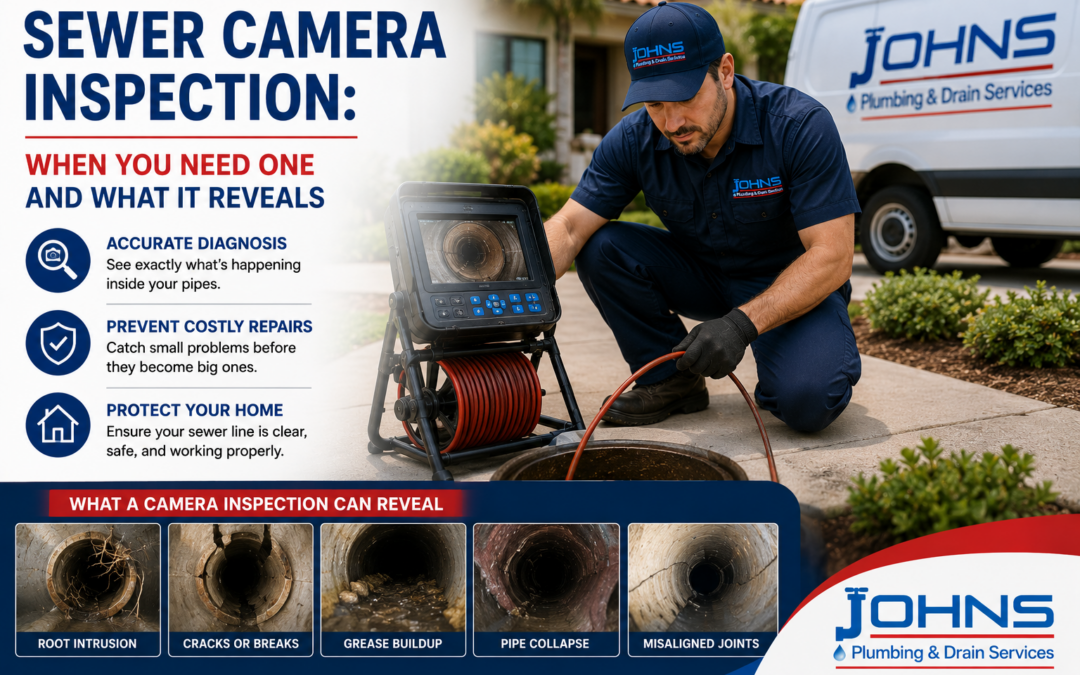
For properties with trees near the sewer lateral — extremely common in LA’s older residential neighborhoods — an annual sewer camera inspection will catch root intrusion early enough to address it with hydro jetting rather than excavation. The California Department of Consumer Affairs provides landlord resources on maintenance obligations that every property owner should review.
Water Heater Compliance
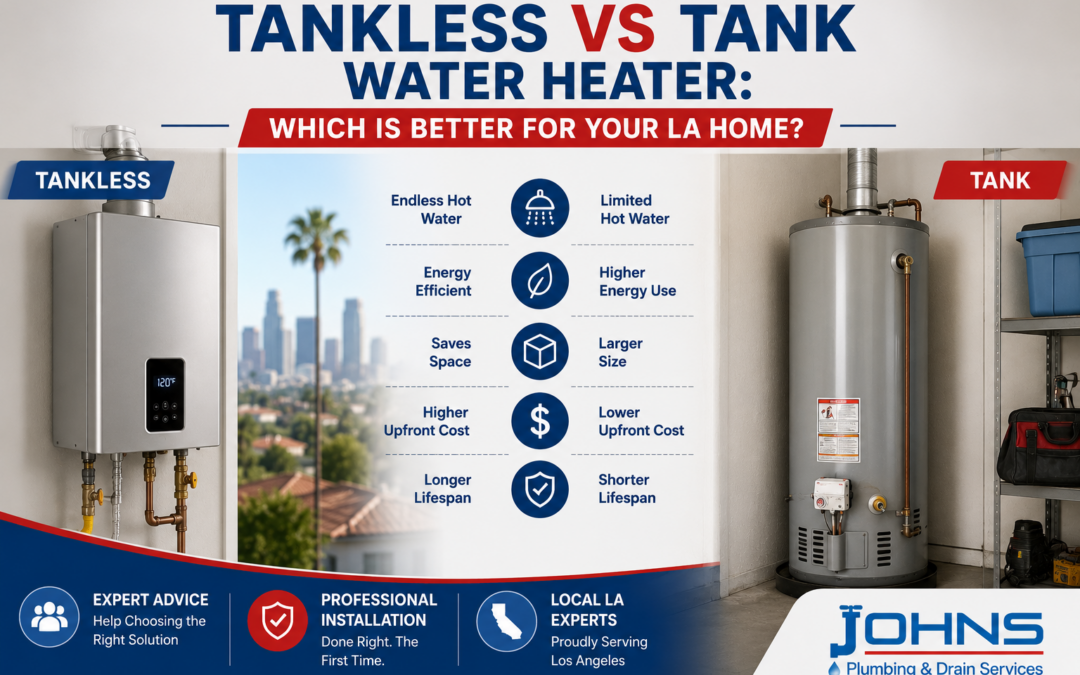
California requires earthquake strapping on all water heaters, and this is one of the first things a city inspector or insurance adjuster will check. If your rental property has an older tank water heater that is past its expected lifespan (typically 8 to 12 years), replacing it proactively is far smarter than waiting for it to leak or fail during a tenancy.
Consider upgrading rental units to tankless water heaters during major renovations. They last longer, take up less space, and reduce the risk of the catastrophic tank failures that cause the most damage and the most contentious tenant disputes.
When Tenants Report Problems
Respond to plumbing complaints quickly and document everything. A slow response to a reported leak or sewer backup does not just frustrate your tenant — it can create grounds for a rent escrow claim or habitability complaint with the Los Angeles Housing Department. The cost of a prompt professional repair is almost always less than the cost of the consequences when you delay.
Keep your plumber’s number in your phone and make sure your property manager has it too. Building a relationship with a reliable local plumbing company means faster response times when your tenants need help and consistent quality across all your properties.