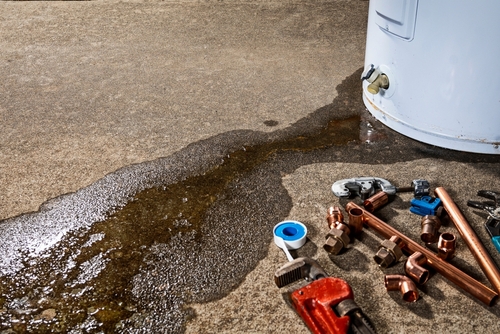
Your water heater is making a weird noise. Or the water is not as hot as it used to be. Or you found a small puddle on the garage floor underneath the tank. The question every Glendale homeowner faces at this point is simple but stressful: do you fix it or replace the whole thing?
The answer depends on a few key factors, and a qualified Glendale plumber can walk you through each one after inspecting the unit. But here is the framework so you know what to expect.
Factor 1: Age of the Unit
A standard tank water heater has an expected lifespan of 8 to 12 years. A tankless water heater can last 20 years or longer. If your tank unit is under 6 years old and the problem is a replaceable component — a thermocouple, a heating element, a pressure relief valve — repair makes financial sense. You have years of useful life remaining and the repair cost is a small fraction of replacement.
If the unit is 10 years old or older, every repair becomes harder to justify. You are spending money on a system that is statistically likely to develop another failure soon. At this age, replacement is usually the smarter investment.
You can find the manufacturing date of your water heater by reading the serial number on the data plate. Most manufacturers encode the date in the first few characters. The Bradford White date code guide and the Rheem support page both explain their respective formats.
Factor 2: Type of Failure
Some water heater problems are straightforward repairs. A failed thermocouple is a common fix — it is the sensor that tells the gas valve whether the pilot light is lit, and when it fails the water heater shuts off as a safety measure. A sediment-clogged tank that is producing banging noises can often be resolved with a professional flush.
Other failures signal the end. A leaking tank means the inner liner has corroded through and there is no repair for that — the tank must be replaced. Heavy rust on the exterior, persistent leaks from the base, or a unit that trips its safety relief valve repeatedly are all indicators that the system has reached the end of its functional life.
Factor 3: Repair Cost vs Replacement Cost
A good rule of thumb: if the repair estimate exceeds 50 percent of the cost of a new unit, replace it. For example, if a new standard tank water heater installed costs around $1,500 and the repair estimate is $800, the math clearly favors replacement — especially if the unit is already approaching end of life.
This is also the moment to consider whether switching to a tankless system makes sense for your household. The upfront cost is higher, but the energy savings, longer lifespan, and freed-up floor space can offset that difference over time.
Factor 4: Energy Efficiency
Water heaters manufactured even 10 years ago are significantly less efficient than current models. Replacing an aging unit with a modern high-efficiency system reduces monthly energy costs immediately. If your current utility bills feel high for the amount of hot water you use, an outdated heater may be the reason.
What a Glendale Plumber Will Check
A thorough evaluation includes inspecting the anode rod (the sacrificial component that protects the tank from corrosion), testing the thermostat and heating elements, checking the pressure relief valve, inspecting supply connections and gas lines, and looking for signs of leaking or corrosion at the base of the unit.
Based on those findings, a professional will give you an honest assessment of whether repair is worthwhile or whether replacement is the better path. The best plumbers — the ones worth trusting — will not push replacement on a unit that has years of life left, and they will not patch a dying unit just to collect a service call fee.
If your Glendale water heater is acting up, get a professional opinion before you decide. The right call saves you money either way.