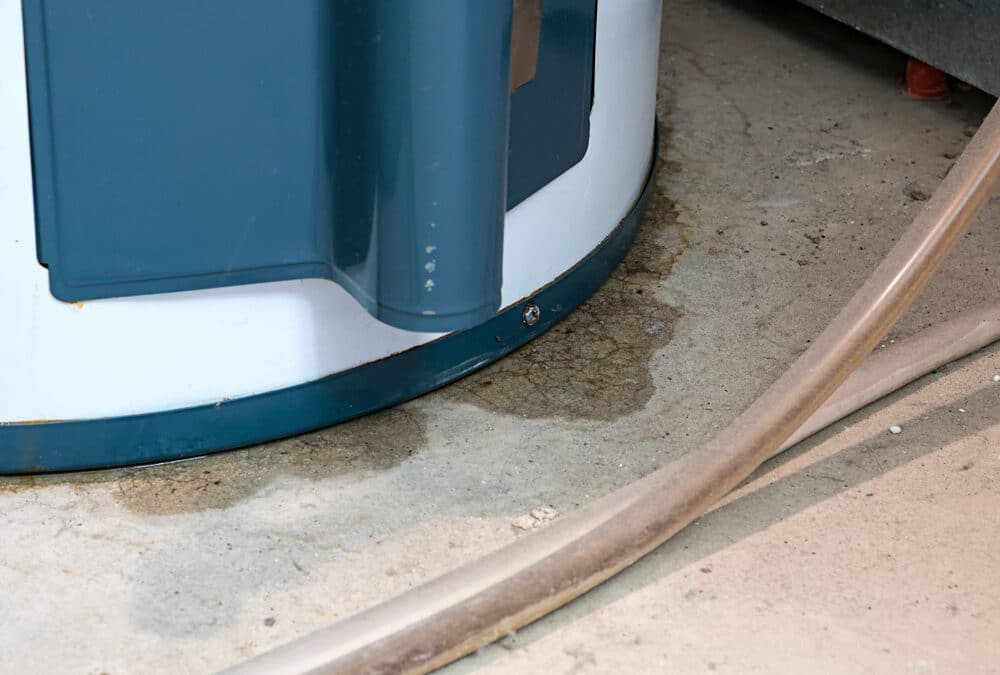
Quick Answer: The most reliable signs of a hidden water leak include an unexplained increase in your water bill, the sound of running water when all fixtures are off, warm or damp spots on floors, musty odors with no visible source, stains or bubbling on walls and ceilings, cracks in the foundation, and a water meter that keeps spinning when nothing is running. If you notice any combination of these, schedule professional leak detection before the damage spreads.
The leaks you can see are frustrating. The leaks you cannot see are destructive. A dripping faucet is obvious and easy to fix. A pinhole leak in a supply line buried under your slab or running behind drywall can go undetected for months, silently soaking your foundation, feeding mold colonies, and adding hundreds of dollars to your water bill before anything visible appears on the surface.
Burbank homes are particularly vulnerable because so many of them were built in the 1940s through 1960s with copper supply lines running under concrete slab foundations. Those pipes have been expanding, contracting, and rubbing against bedding material for 60 to 80 years, and they are now at the point in their lifespan where pinhole failures become increasingly common.
Here are seven signs that your Burbank home may have a hidden water leak.
1. Your Water Bill Spiked Without Explanation
If your water usage habits have not changed but your bill jumped noticeably, water is leaving the system somewhere you cannot see. Even a small leak running continuously can waste thousands of gallons per month. Compare your current bill to the same month in previous years to rule out seasonal variation.
2. The Water Meter Moves When Everything Is Off
Turn off every faucet, appliance, and irrigation timer in your home. Walk out to the water meter and check the flow indicator. If it is still moving, water is flowing somewhere on your property. This simple test confirms a leak exists before you spend any money on professional diagnosis.
3. You Hear Running Water When Nothing Is On
At night, when the house is quiet, listen for the faint sound of water flowing through walls or under floors. This is one of the most commonly reported early signs of a slab leak or a supply line leak inside the wall cavity. The sound may be subtle, but once you notice it, you will not be able to ignore it.
4. Warm Spots on the Floor
If a hot water supply line under the slab develops a leak, the escaping hot water warms the concrete and the flooring above it. Walk barefoot through your home and pay attention to temperature changes, especially on tile or hard surface floors. A warm spot that was not there before is a strong indicator of a hot water slab leak.
5. Musty or Moldy Smell With No Visible Source
Hidden moisture creates the ideal environment for mold growth inside walls, under flooring, and in crawl spaces. If you detect a persistent musty smell but cannot find visible mold anywhere, a concealed leak may be feeding mold growth in a space you cannot see. The EPA recommends addressing indoor moisture problems promptly to prevent health-related mold exposure.
6. Stains, Bubbling, or Discoloration on Walls and Ceilings
Watermarks on drywall or ceiling panels are a sign that water has been present long enough to soak through from the other side. Bubbling or peeling paint on interior walls, especially in areas away from bathrooms and kitchens, suggests water is migrating through the wall cavity from a leaking pipe behind the surface.
7. Foundation Cracks or Shifting Doors
A slab leak that runs long enough can erode the soil beneath your foundation, causing the slab to settle unevenly. Cracks that appear in walls, floors, or the exterior foundation without an obvious cause may be related to water undermining the soil structure. Doors and windows that suddenly stick or will not close properly can be another symptom of foundation movement.
What to Do If You See These Signs
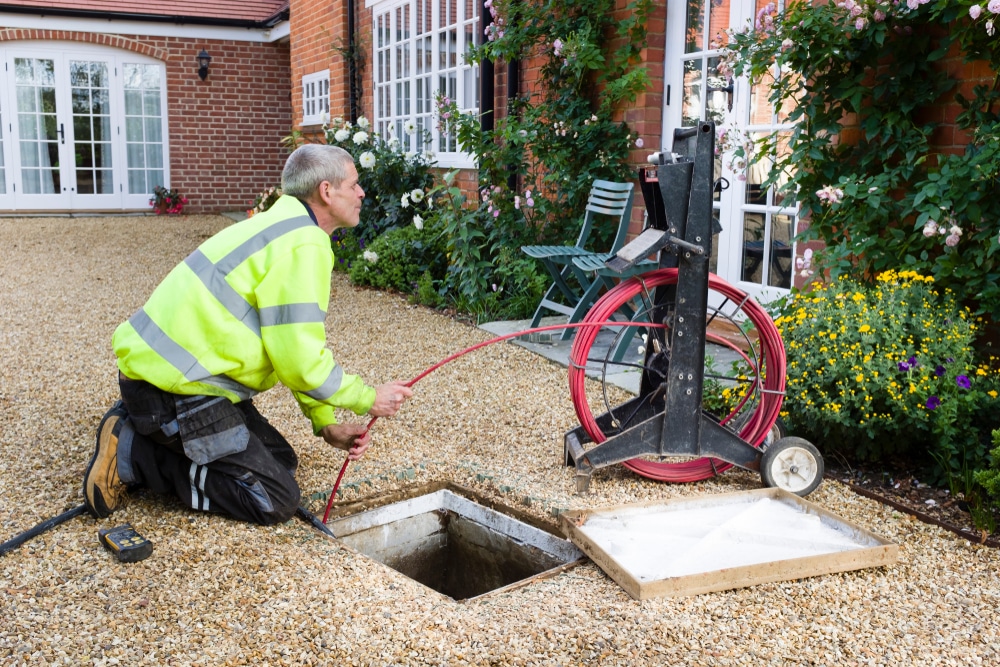
Do not wait for the problem to reveal itself visually. By the time a hidden leak causes visible damage, the concealed damage is already extensive. Call a plumber who specializes in professional leak detection using acoustic listening devices, pressure testing, and thermal imaging. These tools locate the leak precisely without tearing up floors or walls.
Once the leak is found, repair options range from a targeted spot repair to a supply line reroute above ground to a full repipe if the piping is systemically compromised. The right choice depends on the age and overall condition of the system.
Hidden leaks do not fix themselves. They only get worse, and the damage they cause grows every day they run. If your Burbank home is showing any of these signs, act now.
FAQs
How much water can a hidden leak waste per month? Even a small pinhole leak running at a slow drip can waste 2,000 to 3,000 gallons per month. A moderate supply line leak can waste 10,000 gallons or more, which shows up dramatically on your water bill.
Does homeowner’s insurance cover hidden water leaks? Most policies cover sudden and accidental water damage but not damage from gradual leaks that the homeowner should have detected and addressed. Early detection reduces both the damage and the likelihood of a claim denial.
Can I find a slab leak myself? You can identify the signs of a slab leak, but pinpointing the exact location requires professional acoustic and thermal detection equipment. Attempting to find it by breaking through the slab creates unnecessary damage and cost.
How long does professional leak detection take? A trained leak detection specialist can typically locate a hidden leak within one to two hours using non-invasive equipment, without any demolition.