Quick Answer: Drain pipes usually gurgle because trapped air is forced through water because something is restricting flow most often a partial clog, a blocked vent pipe, or a blocked sewer line. When water moves through a restricted drain line, it pulls air behind it, creating air bubbles and that “glug-glug” noise. If only one sink drain gurgles, the issue is often local buildup; if multiple fixtures and all drains in house gurgling, it can point to the main sewer line or plumbing vents. Gurgling plus odor can mean sewer gas is being pulled past a dry or disturbed P-trap. Fixes range from clearing a clog to restoring proper venting and air pressure balance.A gurgling drain sound isn’t just annoying, it’s your plumbing telling you air and water aren’t moving normally. The good news: you can usually narrow it down fast by noticing where it happens (kitchen vs bathroom) and when (after flushing, during laundry, after a long shower).
Quick Diagnosis: Is It a Clog, a Vent, or the Main Line?
If one fixture gurgles, suspect a local clog; if several fixtures gurgle or back up, suspect venting or the sewer line.
Before you do anything, note the pattern: does the bathroom sink gurgle when the toilet flushes? Does the kitchen sink bubble during laundry day? Are floor drains burping after showers? These clues point to the location of the restriction.
Here’s a fast cheat sheet:
| What you Notice | Most Likely Cause | What it Means |
| One shower drain gurgles + slow drain | partial clog / debris buildup | Air is trapped behind the restriction |
| drain bubbling in multiple fixtures | blocked sewer line / main sewer line issue | Shared line is restricted |
| Gurgle after toilet flush | poor venting / vent restriction | Air can’t enter through the vent |
| Odor + gurgle | P-trap water seal disturbed | sewer gas may be pulling through |
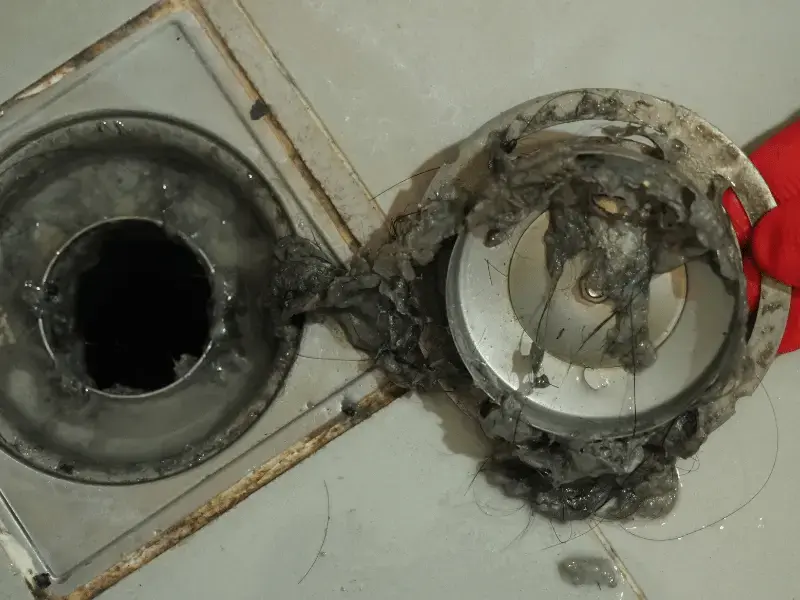
If you’ve already been getting hair out of the drain regularly and the gurgle keeps coming back, that points to residue/buildup deeper in the branch line or a venting issue.
What’s Actually Happening Inside the Pipes (Simple Explanation)
Gurgling happens when air gets trapped and then escapes through water because the plumbing system can’t “breathe.”
Your plumbing system needs balanced airflow. When water flows down a drain pipes network, air must replace the space behind it. Normally, that air comes through plumbing vents and the vent pipe connected to the plumbing stack (vertical stack). When something blocks airflow or water flow, pressure changes occur and you hear air trapped in pipes releasing as air bubbles.
That’s why plumbing gurgling often shows up with slow drainage, bubbling, or odor. It’s not the noise itself that’s “bad” it’s the reason the system is making it.
The #1 Cause-Blocked Drain (Partial vs Complete)
A blocked drain creates gurgling because water displaces trapped air pockets through the nearest outlet.
This is the most common answer to what causes drain pipes to gurgle, especially when the noise is isolated to a sink drain, bathtub drain, or shower drain.
Partial Clog (Most Common)
A partial clog slows water enough that air can’t move smoothly, so it bubbles and gurgles.
Typical culprits include:
- hair buildup
- soap scum
- grease or oils
- food scraps
- toilet paper accumulation
- general debris buildup
Complete Blockage (Don’t Ignore)
A complete blockage forces air to escape aggressively and can trigger water backup.
If water rises instead of draining especially in a tub or sink you’re closer to a full stop. This is when people start noticing a serious drain pipe noise problem and bubbling that looks like the drain is “breathing.”
Tip: If water is backing up, stop running water in that area. Continuing use can turn a manageable clog into a messy overflow.
The #2 Cause-Blocked Vent Pipe or Venting Problems
A blocked vent pipe prevents airflow, so drains pull air through water in the trap and gurgle.
Vents matter more than most homeowners realize. Your vent system releases pressure and routes gases safely out. When venting is restricted, drains “struggle for air,” causing gurgling drain pipes and sometimes odor.
Common vent restrictions include:
- bird nests
- leaves and roof debris
- ice/frost in colder climates
- internal buildup
Also, some homes have poor venting due to layout issues, undersized venting, or older remodelling that didn’t vent properly.
Quick fix (safe): If you can safely see the roof vent opening from the ground, check for obvious blockage signs (nesting, heavy debris). Do not climb if you’re not comfortable roof falls cause more emergencies than gurgling drains.
The #3 Cause-Blocked Sewer Line or Main Sewer Line Issues
When multiple fixtures gurgle, a blocked sewer line or main sewer line restriction is often the reason.
If you’re hearing gurgling drains in more than one location, or the toilet gurgles when other fixtures drain, that often points to a shared line problem.
Common causes include:
- tree roots entering or crushing sewer piping
- foreign objects flushed or washed into the system
- heavy buildup of paper and waste
- belly/sag in older lines that traps debris
This is where homeowners usually say: “Why are all drains in the house gurgling?” Because the restriction isn’t in one branch it’s in the shared exit route.
The P-Trap Factor: Why Gurgling Sometimes Comes With Smell
If the P-trap loses its water seal, gurgling can coincide with odor because sewer gases can move toward the fixture.
Under many sinks is a P-trap (also called a U-bend). It holds a small water plug that blocks sewer gas from entering the room. If venting is poor or pressure changes are strong, it can siphon or disturb the trap seal.
Signs your trap seal is compromised:
- odors near the drain opening
- bubbling after nearby fixtures drain
- intermittent gurgle even when that fixture isn’t running
Tip: If a drain hasn’t been used in weeks, the trap can dry out. Run water for 10–20 seconds to restore the seal before chasing bigger explanations.
Gurgling in Specific Fixtures (What Each Pattern Usually Means)
The fixture that gurgles and what triggers it often reveals the restriction location.
Kitchen Sink Gurgling or Bubbling
A kitchen sink often gurgles from grease/food buildup or vent pressure issues.
Kitchen lines commonly collect grease or oils and food scraps, creating sticky restrictions. Bubbling can show up when the dishwasher drains too.
Bathroom Sink Gurgles When Tub or Toilet Drains
This pattern often points to a shared branch restriction or venting imbalance.
A bathroom sink, bathtub drain, and toilet are usually close and share lines. If one triggers another, airflow and shared drainage are involved.
Shower Drain Gurgling
A shower drain gurgle is often hair/soap scum or a branch-line restriction.
This is where “it’s only happening in one bathroom” usually begins.
Toilet Gurgling
Toilet gurgling can be an early warning of a line restriction affecting multiple fixtures.
If you have to plunge regularly, don’t ignore it; it may be a developing sewer restriction.
Safe DIY Steps to Stop Gurgling (Start Here)
Start with the least invasive options: confirm trap seal, clear simple clogs, then evaluate venting and system-wide symptoms.
Here’s a simple numbered plan you can follow:
- Check if the P-trap has water (run water briefly if the drain is unused)
- Test if only one fixture is affected or several
- Try a plunger on the affected sink/tub (short controlled plunges)
- Flush with hot water (avoid extremes if your plumbing is sensitive)
- If gurgling returns or spreads, stop DIY and diagnose deeper
After those basics, it’s often time to use drain snakes to clear clogs especially if you have slow drainage plus bubbling in a single fixture.
Why Chemical Drain Cleaners Can Make This Worse
Chemicals might open a small path through a clog, but they often leave residue behind and can damage pipes or fixtures.
Some DIY guides recommend chemical cleaners as a “last resort.” The risk is that they can weaken components, heat up reactions, and fail to solve the underlying cause especially if the real issue is venting or the sewer line.
If gurgling is recurring, focus on diagnosing why airflow is restricted, not only dissolving a narrow channel through buildup.
When the Problem Is Outside the House (Vents, Yard, or Main Line)
If indoor drains seem clear but gurgling persists, suspect venting or the main sewer pathway.
If you’re hearing drain pipes gurgling but your sinks and tubs aren’t obviously clogged, the restriction can be:
- in roof vent piping (plumbing vents / vent pipe)
- in the main line leaving the house (sewer line / main sewer line)
- in older, partially collapsed sewer piping
This is where best sewer camera experts matter because a camera can confirm if there’s a belly, roots, or heavy buildup without guessing.
How Pros Diagnose Gurgling Drain Pipes (What to Expect)
Professionals trace symptoms, check venting, and use inspection tools to locate blockages precisely.
A typical process includes:
- checking which fixtures are affected
- evaluating signs of negative air pressure
- confirming whether the vent path is open
- inspecting for water backup risk
- using a camera inspection if the sewer line is suspected
If the gurgling is affecting more than one area or you’ve had repeated clogs, reliable drain cleaning professionals can usually pinpoint the restriction faster than repeated DIY attempts.
Quick Fixes That Work (Without Masking the Real Cause)
Quick fixes work best when the issue is a local partial clog not when the main line or venting is involved.
Use these as short-term solutions if the problem is isolated:
- Plunger a sink/tub to move a partial clog
- Run hot water after removing visible debris
- Confirm the trap has water
- Stop using the affected fixture if backup begins
If the gurgle returns in 24–72 hours, that’s a strong clue you’re dealing with deeper buildup or a ventilation problem rather than a simple clog.
Prevention: How to Stop Gurgling Drains From Coming Back
Prevent gurgling by preventing restrictions and maintaining proper airflow.
You can reduce recurrence by controlling what enters the line and catching buildup early. This is where small habits matter especially in kitchens and bathrooms.
Here’s one bullet list of prevention steps:
- Keep hair and debris out of bathroom drains to reduce hair buildup
- Avoid washing heavy grease or oils into the kitchen sink
- Don’t flush wipes or items that become foreign objects in the line
- If you have trees, watch for recurring signs of tree roots intrusion
- Address slow drains early before they become complete blockage
If you need immediate help at odd hours because the gurgling becomes backed up, a 24/7 plumbing company is the safest route to prevent property damage.
Call John’s Plumbing & Drain Services
If the noise is spreading, drains are slow, or you suspect the sewer line or vent system, don’t let it escalate into damage. John’s Plumbing & Drain Services can diagnose the cause and fix it safely whether it’s a branch clog, vent issue, or main line restriction.
Call now: 3234227485
Company: John’s Plumbing & Drain Services
FAQs About Gurgling Drains
What causes drain pipes to gurgle even when nothing is running?
Usually venting pressure changes, a developing blockage in the main line, or a disturbed trap seal that allows air movement through water.
Is drain bubbling a sign of a sewer line problem?
It can be especially if multiple fixtures bubble or you notice odor or slow draining in several areas.
Why does my sink gurgle when I flush the toilet?
This often points to venting imbalance or a shared drain line that’s partially restricted.
Can a clogged vent pipe cause gurgling drains?
Yes blocked vents reduce airflow, forcing air to move through water in traps, which creates gurgling and bubbling.
When should I stop DIY and call a plumber?
Call for help if gurgling is persistent, affects multiple fixtures, includes odor or water backing up, or returns quickly after DIY attempts.