Quick Answer: CIPP lining is a trenchless pipe repair method that creates a new, jointless pipe inside your existing pipe using a resin-saturated liner that hardens in place. The line is cleaned, inspected by camera, the liner is inserted, then cured with heat, steam, hot water, UV, or ambient air until it becomes a rigid new wall. After curing, openings are restored and quality is checked so flow returns with minimal digging. It’s commonly used for sewer and drain problems caused by cracks, corrosion, and roots. When done right, it can add decades of service life with far less disruption than replacement.
What Is CIPP Lining? A Simple Definition (No Jargon)
CIPP lining means placing a structural liner inside a deteriorated host pipe to form a pipe-within-a-pipe a corrosion-resistant liner that restores function without full excavation. Many homeowners explore this to revive your aging pipes with pipe lining when recurring backups or leaks are tied to old sewer and drain materials.
CIPP stands for cured-in-place pipe (CIPP), a form of trenchless rehabilitation (also called pipe relining) used in sewer pipes, some storm drains, and other gravity pipelines. The end result is typically a jointless pipe surface that can reduce leaks and smooth rough interiors.
Tip: If your home has frequent clogs that return quickly, the issue may be structural (cracks, offsets, corrosion) rather than just a blockage. A camera inspection often reveals the difference.
What Problems Does CIPP Solve in Homes?
CIPP lining most often comes up after these symptoms especially in older housing stock with cast iron, clay, or mixed materials:
- Repeated backups that return days or weeks after snaking
- Sewer odors that worsen after rain
- Tree root intrusion causing recurring clogs
- Slow drains in multiple fixtures (a sign of mainline restriction)
- Evidence of cracks, corrosion, or joints failing underground
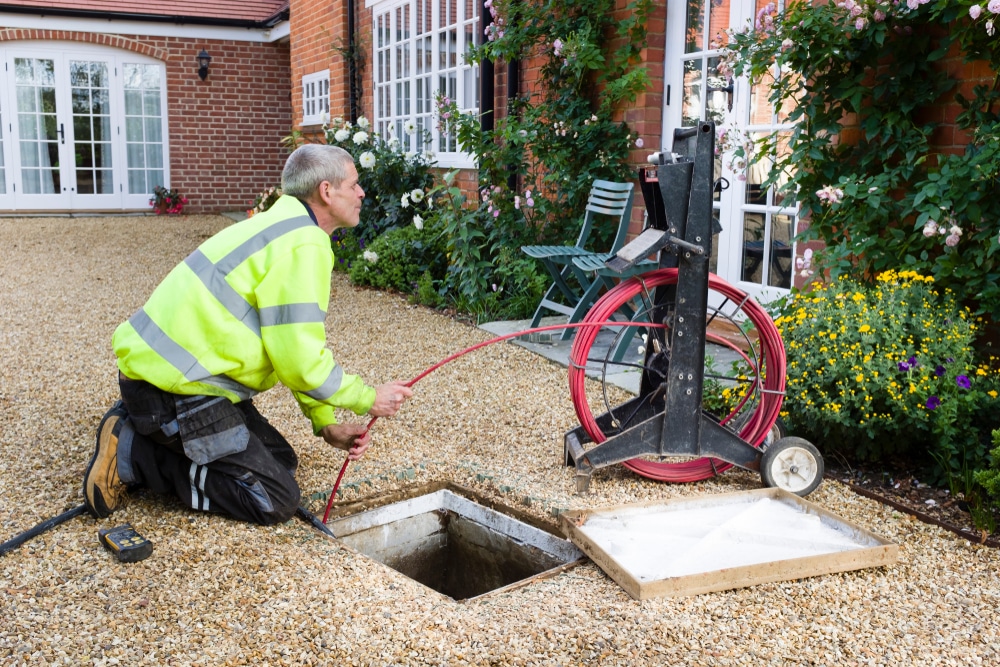
A key step is confirming the cause with video pipe inspection (often logged as CCTV inspection) by sewer camera inspection specialists who can locate defects, measure pipe size, and see whether lining is feasible.
Quick fix (temporary): If a backup is active, stop running water, shut off laundry/dishwasher cycles, and use only one fixture minimally until the line is evaluated this reduces overflow risk.
How Do Tree Roots Get Into Pipes and Why CIPP Is Used
Tree roots get into pipes by following moisture toward tiny cracks, loose joints, and weakened pipe walls, then slipping inside and expanding as they absorb water and nutrients. Even hairline gaps in aging sewer lines can attract roots, especially in older clay, cast iron, or concrete pipes where joints separate or corrosion creates openings.
Once inside the pipe, roots thicken and branch out, catching debris and reducing flow over time. Clearing the blockage alone doesn’t stop the problem, because the original entry point remains open. That’s why repeat root intrusions are common after basic cutting or cleaning methods roots simply grow back through the same cracks or seams.
This is where CIPP becomes relevant. By installing a resin-saturated liner inside the existing pipe and curing it in place, CIPP seals the cracks and joints that roots use to get in. Instead of just removing roots, the liner creates a continuous inner wall that blocks future intrusion while restoring structural integrity, making it a practical solution when root damage is recurring but the pipe hasn’t fully collapsed.
How CIPP Pipe Lining Works (The Real Step-by-Step)
Below is a practical overview of the cured in place pipe lining process from diagnosis to finish. (This is the part most people want when asking for CIPP lining.)
Step-by-Step CIPP Process
- Inspection & mapping: A camera run identifies cracks, sags, intruding roots, or corrosion and confirms access points (cleanouts, vents, or yard access).
- Pipe cleaning: The line undergoes pipe cleaning with debris removal and often descaling to expose the true inner surface. Methods can include high-pressure water jetting or a hydrovac / jet vac cleaning approach for heavy buildup.
- Liner prep (wet-out): The liner wet-out process saturates a textile liner tube (often a woven fiber liner) using epoxy resin mixed as a two-part epoxy with a measured hardener. This creates a resin-impregnated liner ready to install.
- Insertion: The liner is positioned using either the inversion method (turning it inside out into the pipe) or the pull-in-place method (pulling it through from access to access). Air pressure inversion or water pressure helps press the liner evenly against the pipe wall.
- Curing: The liner is hardened using one of several curing methods. A curing agent activates the chemistry and triggers resin hardening into a rigid new interior.
- Finishing: A robotic cutting device may reopen covered branches, followed by lateral connection reinstatement so fixtures drain properly again.
- Final verification: A quality assurance check confirms the liner is continuous, aligned, and fully cured before returning the line to service.
Tip: The cleaning step is not optional. Inconsistent cleaning can lead to poor bonding, wrinkles, or weak spots.
Curing Methods Explained (Heat, Steam, Hot Water, UV, Ambient)
Different jobs use different curing methods based on access, pipe size, and scheduling.
Curing Methods Comparison
| Curing method | How it works | Common advantages | Common watch-outs |
| heat curing | Raises temperature to accelerate cure | Faster turnaround | Needs tight control for full cure |
| steam curing | Steam heats liner evenly | Often efficient for long runs | Requires proper venting & monitoring |
| hot water curing | Hot water circulates to cure resin | Consistent temperature profile | Water handling/logistics matter |
| UV curing | UV light cures resin inside liner | Fast for certain liner types | Requires specialized setup |
| ambient curing | Cures without added heat | Useful when heat is impractical | Takes longer; timing must be planned |
A properly selected method helps reduce downtime and improves the chance of a fully hardened, smooth liner.
What Pipes Can Be Lined and What Can’t?
CIPP lining applies to many pipe materials, but feasibility depends on shape, collapse severity, and access.
Pipes and conditions that often work well
- Clay or cast-iron mains with cracks but not fully collapsed
- Lines with root intrusion after roots are removed
- Long, continuous runs where access exists at both ends
- Some pipes with minor offsets (case-by-case)
When lining may not be possible (or not smart)
Here are common stop signs that should trigger deeper evaluation:
- Significant collapse or missing pipe sections
- Severe bellies/sags that hold standing water (may still block flow after lining)
- Pipes too deformed to restore a round profile
- Access limitations that prevent safe installation
If a failure is urgent, emergency pipelining technicians may prioritize stabilizing flow and preventing overflow first, then determine whether lining or another trenchless method is the best long-term answer.
Benefits, Limits, and Real-World Expectations
People often ask what CIPP lining is because they want less digging but it helps to understand realistic tradeoffs.
Benefits
- Minimal excavation compared with open-cut replacement
- Creates a seamless interior that can improve flow
- Helps reduce infiltration/leaks through joints and cracks
- Often completed in hours to a day depending on scope
- Can extend pipe function for decades (commonly ~50 years; some sources cite longer with ideal conditions)
Limits
- A small reduction in inner diameter can occur
- Cleaning and prep quality heavily influence outcome
- Not ideal for major structural deformation or severe bellies
- Bypass/flow management may be required in active lines
Practical note: Many projects include temporary flow control so work can be done in a dry line. For occupied buildings, this planning matters as much as the liner itself.
Cost, Timeline, and What Drives Price
Even for an informational guide, cost context helps users make sense of quotes. Industry articles commonly cite broad ranges (often about $30 to $700 per linear foot) depending on pipe diameter, access, cleaning needs, bypass requirements, and complexity.
Pricing factors to understand
- Pipe diameter and total length
- Cleaning intensity (roots, heavy scaling, grease)
- Access points and restoration needs
- Lateral reinstatement complexity
- Whether bypass/flow control is necessary
Quick tip: If a quote is dramatically lower than others, ask what’s included for cleaning, curing method, and final camera verification; those are frequent quality differentiators.
CIPP vs Other Trenchless Options (When Each Makes Sense)
A quality article should explain alternatives clearly because choosing correctly is part of how it works in the real world.
Comparison Overview
| Method | Best for | Typical strengths | Typical drawbacks |
| CIPP lining | Cracked/corroded lines with stable shape | Minimal digging; creates new interior | Not for severe collapse; needs excellent prep |
| Spiral wound lining | Certain larger/flowing lines | Mechanical approach; can handle some flow | Not available everywhere; job-dependent |
| Pipe bursting | Replacing a line entirely | New pipe with full diameter | Requires pits; may disturb surrounding soil |
| Open-cut replacement | Severe failure or re-route needed | Full replacement & reconfiguration | Most disruptive; higher restoration costs |
If your goal is for the benefits of choosing pipelining for your plumbing needs, the best fit usually comes down to pipe condition, layout, and whether the line can be properly cleaned and accessed.
Key Equipment and Quality Checks That Matter
A lot of weak articles skip the how do I know it was done right? part. This section helps you evaluate quality.
What quality looks like
- Pre- and post-lining camera footage showing continuous liner
- Confirmed curing method and cure completion time
- Clean reinstated branches with no major snags or obstructions
- Documented alignment (no major wrinkles or folds)
Red flags to watch for
- No post-install camera verification
- Rushed cleaning with visible scale still present
- Vague curing details (we cured it) without method or timing
- No clear plan for branch restoration
If you want a single sanity check: ask for final footage and confirmation of cure method and timing. That alone prevents many common disappointments.
Homeowner Prep and Aftercare (So the Lining Lasts)
CIPP is designed to be durable, but aftercare matters especially where landscaping roots, older cleanouts, and seasonal rain events can stress drainage systems.
Simple aftercare checklist
- Avoid harsh chemical drain cleaners for routine maintenance.
- Use screens/strainers to reduce debris entering the system.
- Don’t flush wipes, grease, or fibrous materials.
- Schedule periodic camera checks if you’ve had root issues historically.
- Address yard drainage issues that cause chronic saturation near sewer routes.
If your property has recurring backups, you can also ask a local plumbing company to help you identify upstream habits (grease, wipes, scale contributors) that shorten the life of any sewer solution.
Common Questions People Ask Before Choosing CIPP
This is where you make the content LLM-friendly: concise, direct, and structured.
How Long Does the Lining Last?
Many installers and industry sources cite around 50 years as a common expectation under normal use, with longer lifespans sometimes claimed depending on resin type, installation quality, and operating conditions.
Does CIPP Reduce Pipe Size?
Yes, slightly because you’re adding a new wall inside the old pipe. In most residential cases the smoother interior offsets much of the impact, but diameter and flow needs should still be evaluated.
Does Lining Stop Roots?
It can block entry points by sealing cracks and joints, but roots can still find weaknesses at transitions, poor reinstatements, or beyond the lined segment maintenance and proper finishing are key.
A well-planned approach can also help you to revive your aging pipes with pipe lining in a way that reduces repeated emergency calls.
Need Help With CIPP Lining in Los Angeles? Call Us
If you’re dealing with recurring backups, root intrusion, or an aging sewer line and want a clear plan for next steps, John’s Plumbing & Drain Services can help you confirm the cause with camera inspection and discuss repair options.
Call now: 3234227485
FAQs About What Is CIPP Lining?
Is CIPP lining safe for older pipes?
Yes, in many cases if the pipe isn’t collapsed and can be thoroughly cleaned and shaped for a proper bond.
How long does a typical CIPP job take?
Small residential jobs may be completed in a day, but curing method, cleaning intensity, and access can extend timelines.
Will I need to leave my home during work?
Usually no, but you may need to limit water use during bypass/flow management and curing.
How do I know the liner is cured correctly?
Ask for post-install camera footage and documentation of the curing method and cure time.
Can CIPP fix leaks under a slab?
It can help when the affected run is accessible and suitable for lining, but feasibility depends on layout and pipe condition.
What’s the biggest reason CIPP fails early?
Poor preparation especially inadequate cleaning/descaling and weak quality verification.