Quick Answer: Tree roots get into pipes by following moisture and nutrients, then slip into tiny cracks, loose joints, or gaps in buried plumbing. Once inside, they thicken fast, trap waste, and reduce flow causing slow drains, odors, and backups. The best long-term fix is stopping the entry point, not just cutting roots. CIPP can help by sealing openings with a new liner inside the pipe. Start by confirming the cause with a camera inspection, then match the fix to the pipe material and damage level.
Why Roots Target Pipes in the First Place
Tree roots getting into pipes is really a moisture-and-opportunity story: roots hunt for a moisture source and find it near buried lines that carry water and wastewater. Pipes can also release small amounts of vapor through joints, and the soil around lines often stays damp longer than surrounding areas.
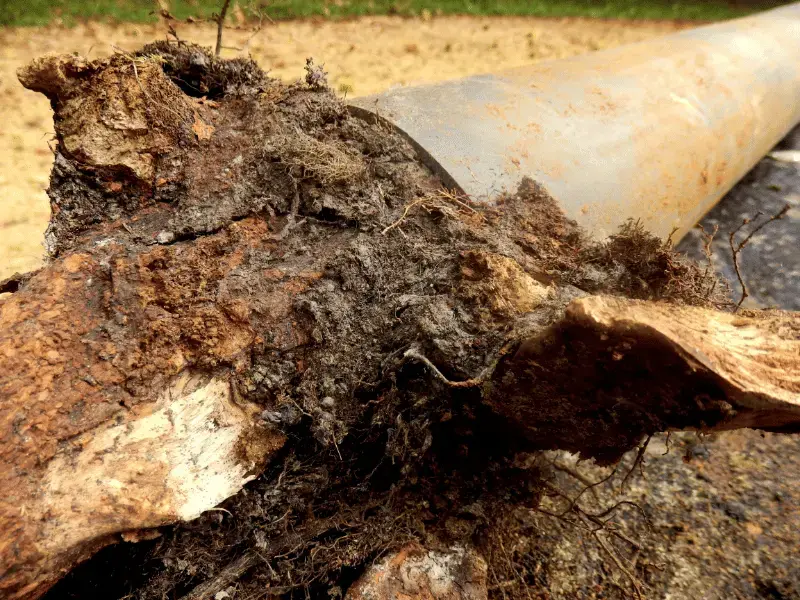
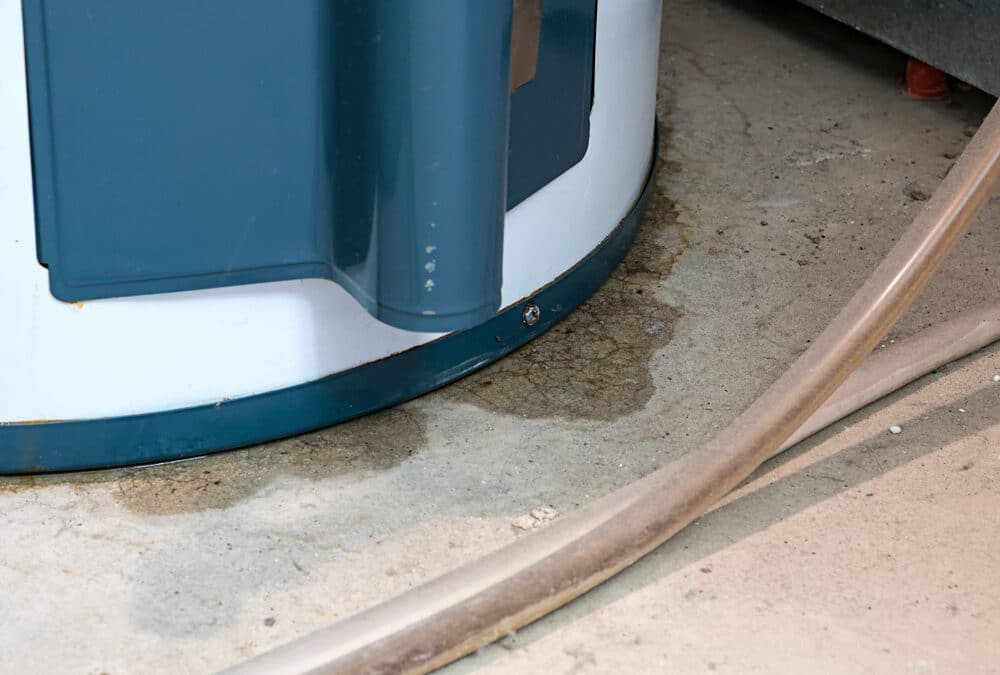
If you’re researching this because you suspect tree roots in sewer line problems, you’re not alone, roots are opportunistic, not evil. They’re drawn to a pipe’s contents: nutrient-rich organic material and steady moisture. All they need is a small leak, a crack or gap, or weak pipe seams and joints. Even a tiny joint leak can become a scent trail that leads roots straight to your line.
Understanding what CIPP lining is helps here because stopping roots long-term depends on sealing the entry point, not just clearing the blockage.)
How Do Tree Roots Get Into Pipes Step-by-Step
Tree roots get into pipes typically happens in a predictable sequence:
- Micro-openings form: age, soil movement, or minor settlement creates hairline defects in pipe walls or joints.
- Roots detect moisture: feeder roots migrate toward that damp zone.
- Roots enter and expand: once a root tip fits inside, it thickens, branching into a net that traps debris.
- Flow gets restricted: the pipe loses hydraulic capacity and clogs become more frequent.
- Damage accelerates: repeated backups, pressure changes, and root growth can worsen cracking and, in severe cases, contribute to pipe collapse.
Tip: Roots often start as fine hair roots. If you wait until drains fully stop, you’re usually dealing with thicker, woodier growth that’s harder to remove.
Early Warning Signs Homeowners Miss
Tree roots in pipes often become obvious only after symptoms repeat. Watch for these common signals:
- Slow drains in one fixture that keeps returning
- Multiple slow drains across the home (mainline warning)
- Drains backing up often starting at the lowest drain
- Gurgling noises after flushing or running water
- Unpleasant odors or a persistent wastewater smell indoors or outside
- Yard clues like soggy, extremely green patches or flooded yard / water pooling
- Rare but serious: a sudden sinkhole or soft spot above the line
Symptoms → Likely Cause Map
| Symptom | What it often suggests | Why it matters |
| One slow fixture, returns quickly | Local restriction | Root tips may be starting at a joint |
| Multiple slow drains + gurgles | Mainline restriction | Roots may be limiting hydraulic capacity |
| Odor in yard or near drains | Leak + root activity | Roots often follow moisture and nutrients |
| Yard stays wet when it hasn’t rained | Hidden leak or saturation | Can indicate joint leak feeding roots |
| Sudden sinkhole/soft ground | Structural failure | May signal pipe collapse risk |
Quick fix: If you’re actively backing up, stop heavy water use (laundry, long showers). A backup gets worse fast when multiple fixtures are running.
If you’re wondering about cleaning methods, many homeowners ask whether hydro jetting is safe for old pipes. More on that below.
Which Pipes Are Most at Risk for Root Intrusion
Tree roots get into pipes depending heavily on material and age. Root entry is easiest when pipes crack, rust, or have many joints.
High-risk materials include:
- Cast iron sewer pipes (prone to internal rust and corrosion)
- Clay sewer pipes (often brittle pipe materials, joints can separate)
- Orangeburg pipe (prone to deformation and failure)
- Concrete pipes (can degrade over time at joints)
Newer continuous materials reduce entry points, but no pipe is immune if there’s a crack or joint defect.
Tip: Old clay and cast iron lines often fail at joints. First roots don’t need a big opening, just a tiny seam.
Confirming Roots the Right Way (Don’t Guess)
Tree roots in pipes are easiest to prove with visuals. Before you dig or treat, locate the problem:
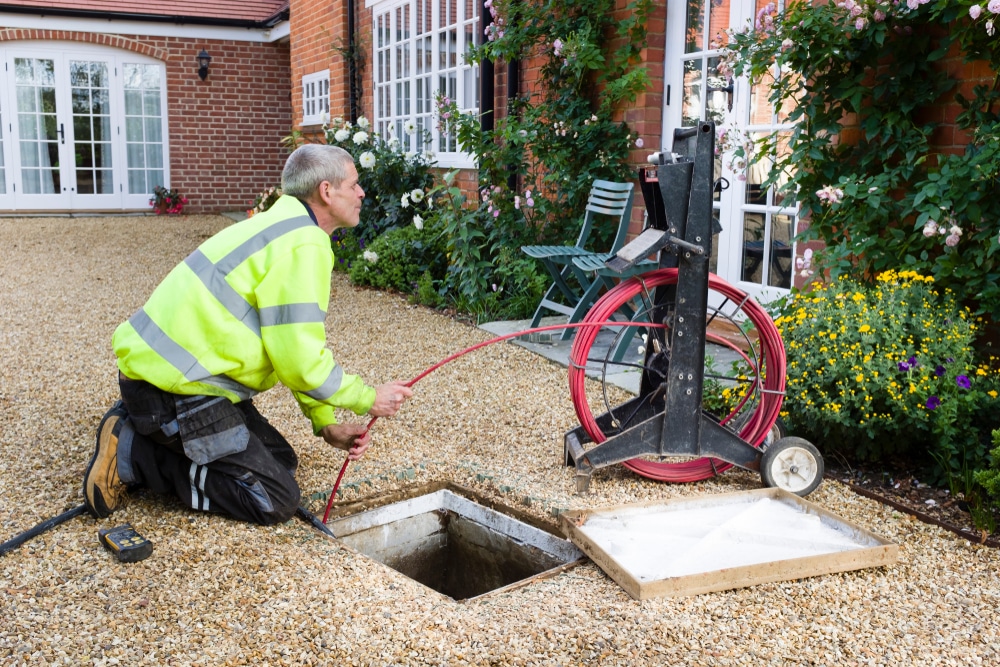
- Use a camera inspection / video inspection to see roots, cracks, offsets, and standing water.
- Identify the best access point, often a sewer cleanout.
- Ask to get the sewer line located / marked so you know where the issue sits (yard, driveway, slab edge).
This is where choosing a trustworthy sewer camera inspection company helps because the best fix depends on where roots entered and how much damage is left behind.
How to Remove Roots Without Making the Problem Worse
Tree roots in pipes is only half the story; the other half is removing them safely and preventing regrowth. Most options fall into three buckets:
Root Removal Methods
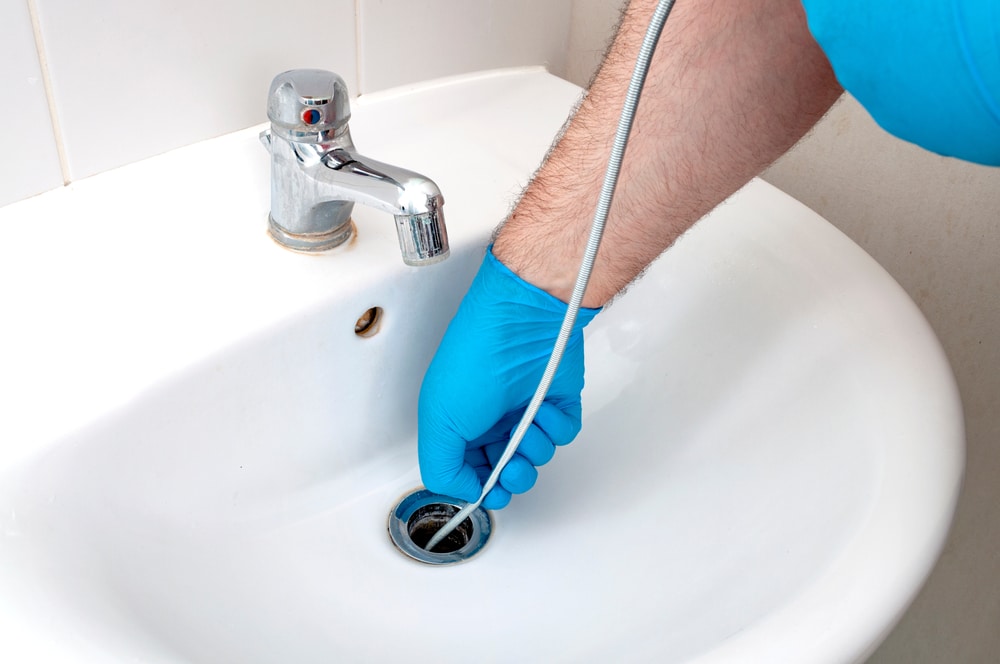
- Mechanical augering: a rotating cable with a root-cutting blade (often called snaking) slices roots and restores flow.
- Hydro jetting: uses high-pressure water through a specialized nozzle to scour roots and debris from the pipe interior.
- Chemical treatments: chemical root killers (sometimes copper sulfate) or root inhibitors/foaming herbicides can slow regrowth, but rarely solve structural entry points.
If your goal is to kill roots in sewer lines quickly, remember: cutting and flushing restores flow, but sealing the entry point is what prevents repeat invasions.
Which Root Removal Option Lasts Longest?
Which root removal option lasts longest depends on whether the method only clears existing roots or also prevents new roots from entering the pipe. Some solutions restore flow temporarily, while others address the structural weaknesses that allow root intrusion to keep coming back.
Removal Options Compared
| Option | Best use | Pros | Cons |
| Snaking / augering | Small to moderate intrusions | Fast, restores flow | Roots often return if entry point remains |
| Hydro jetting | Heavy buildup + roots | Cleans pipe walls thoroughly | Needs care with fragile lines |
| Chemicals | Prevention after clearing | Can slow regrowth | Doesn’t fix cracks/joints; misuse risks |
Tip: Chemicals should usually be treated as maintenance not a stand-alone cure because they don’t repair cracks and may stress fragile materials if misapplied.
Can CIPP Stop Roots From Coming Back?
Tree roots get into pipes repeatedly when the same crack or joint stays open. That’s where structural rehabilitation matters.
A common long-term approach is cured in place pipe lining a trenchless method where an epoxy resin-coated liner is installed inside the existing pipe, creating a seamless pipe / pipe-within-a-pipe that seals gaps roots used to exploit. When the liner cures, it forms a continuous barrier that can block future root entry at joints and cracks (assuming the pipe isn’t collapsed and is properly prepared).
This approach is often discussed as CIPP pipe repair because it can stabilize deteriorated interiors while minimizing excavation.
If you’re looking for experienced crews for this type of rehab, homeowners often search for best pipelining specialists when repeated intrusions keep coming back.
When CIPP Works Well and When It Doesn’t
Tree roots in pipes might sound the same everywhere, but the right solution depends on pipe condition.
CIPP is a strong fit when:
- The pipe is mostly intact (not severely collapsed)
- The damage is cracks/joint gaps rather than missing sections
- The line can be cleaned thoroughly so the liner bonds properly
CIPP is NOT a great fit when:
- There is major deformation, severe offsets, or long sections of collapse
- The pipe has extensive belly/sag that would still hold debris after lining
- Access limitations prevent safe installation and curing
Quick fix: If you need drainage functioning while planning a permanent solution, start with clearing the obstruction, then schedule structural evaluation so you’re not repeating the same emergency every season.
Prevention That Actually Reduces Root Intrusion
Tree roots in pipes are easier to prevent than to fight repeatedly. Use a layered strategy:
- Keep large trees a safe distance from known sewer routes
- Fix leaks early moisture attracts roots
- Plan landscaping so heavy irrigation isn’t aimed over buried lines
- Add barriers where appropriate and practical
- Run periodic camera checks if your property has a history of intrusion
Prevention includes maintenance, and a local plumber can help you build a schedule that fits your pipe material and yard layout.
A Practical Plan for Homeowners (Stop the Repeat Backups)
If you’re searching for removing tree roots in sewer line and want a repeatable plan, here’s a homeowner-friendly path:
Step-by-step plan
- Confirm roots with a camera inspection and locate the entry point.
- Clear the blockage using snaking or hydro jetting (based on pipe condition).
- Evaluate the pipe material and whether structural sealing is needed.
- Choose repair: spot repair, lining, or replacement based on damage severity.
- Maintain: re-scope every 1-2 years if you’ve had repeat intrusions.
This is also where root intrusion in sewer line cases is split into two paths: clear-and-monitor vs. seal-and-stabilize.
Root Intrusion Repair vs. Root Killing-What’s the Difference?
Many guides blur these together, so let’s keep it simple:
- Root removal clears the blockage today.
- Root intrusion repair addresses why roots could enter (cracks, failed joints, corrosion, poor connections).
That’s why some methods kill roots in the sewer line but still lead to repeat clogs because the entry point remains open.
Tip: If you clear roots and your drains clog again within weeks or a few months, treat it as a structural problem until proven otherwise.
Safety Notes on Chemicals and Older Pipes
Chemical approaches can be tempting, but use caution:
- Chemical root killers can stress old systems if overused
- products containing copper sulfate may harm soil biology and should be applied carefully
- chemicals won’t restore hydraulic capacity if the pipe is already deformed or heavily scaled
When in doubt, pair chemical prevention with periodic camera inspections and mechanical cleaning rather than relying on chemicals alone.
Need Help With Pipe Issues? Call John’s Plumbing & Drain Services
If you’re dealing with recurring backups, slow drains, or suspected root intrusion and want a clear plan from inspection to repair options, reach out today.
Company: John’s Plumbing & Drain Services
Call: 3234227485
FAQs About Tree Roots in Pipes and CIPP Lining
How do tree roots get into pipes in the first place?
They follow moisture toward tiny cracks or gaps at seams and joints, then expand inside the pipe and trap debris.
What’s the fastest way to clear a root clog?
Snaking/augering can restore flow quickly, while hydro jetting can clean pipe walls more thoroughly when the pipe condition allows.
Will roots always come back after snaking?
Often yes if the entry point is still open. Clearing restores flow, but sealing the crack/joint is what prevents repeats.
Can CIPP stop future root intrusion?
In many intact-but-cracked pipes, CIPP can seal gaps and joints and reduce future root entry, assuming proper cleaning and curing.
How often should I inspect if I’ve had root problems?
Many homeowners choose a video inspection every 1–2 years, especially if they have older clay or cast iron lines.
When is replacement better than lining?
If the pipe is severely collapsed, badly deformed, or missing sections, replacement may be the more reliable option.