Quick Answer: If a pipe bursts, shut off the main water supply immediately, avoid electrical hazards, and start removing standing water fast. Document damage with photos/videos for insurance claims, then begin drying with fans and dehumidification to reduce mold risk within 24-48 hours. Drain the pipes by opening faucets to relieve pressure and limit continued leaking. If sewage is involved or the leak is inside a wall/ceiling, treat it as an emergency and call for professional water extraction and burst pipe water damage repair. Once the leak is controlled, expect temporary flow changes, possible soil settling (for underground lines), and the need to check cleanouts for backup protection.
First 5 Minutes: Stop the Water and Stay Safe
The fastest way to reduce damage is to locate your main water shutoff valve and shut it off now every minute of flow can multiply repair costs.
In most homes, the shutoff is near where the main water line enters the house, close to a utility area, basement, or garage. Turn the valve clockwise to stop the flow (some need several full turns).
Tip: If your shutoff is hard to reach, label it today with a bright tag. In a real burst pipe emergency, you don’t want anyone searching.
Quick fix: If you can’t find the interior shutoff quickly, use the water meter valve near the street. Many properties need a special key to operate it.
Electrical Safety (Don’t Guess)
If water is near electrical outlets, appliances, or the breaker box / electrical panel, stop and think safety first. If you can safely access the panel without stepping into water, flip the main breaker (or the affected circuit). Water and electricity are a deadly mix.
The Next 10 Minutes: Contain the Flood and Document Everything
Once you’ve shut off the water supply, the damage you stop next is spread damage water moving room-to-room and soaking materials.
Start by moving furniture and belongings to higher ground. Then remove standing water as quickly as possible using towels and mops, buckets, or a wet/dry vacuum. This is not the time for a household vacuum.
Now document the scene before you make it look better. Take photos and videos of the area, the source (if visible), and everything affected. This documentation for insurance claims is crucial later, especially if flooring, drywall, cabinets, or subflooring are involved.
Quick fix: If water is still dripping after the shutoff, open the lowest faucet in the home to help drain the pipes and reduce pressure. When the burst is related to an underground line replacement scenario, it helps to understand What Is Trenchless Pipe Bursting because settlement and flow changes can show up after major pipe work.
Minutes 15-25: Make the Right Calls in the Right Order
What to do if a pipe bursts isn’t only shut off water. It’s also calling the right help fast enough to prevent secondary damage.
Who to call first
Call a restoration/water removal team for water extraction and drying support if flooding is significant
Then call your insurance provider and have your policy number ready
If the burst is in a wall/ceiling or involves contamination, request immediate professional help
When you talk to insurance, note the time discovered leak and what areas are affected. Many claims move faster when you can clearly show when it happened, what you did immediately, and the scope of damage.
If you want a deeper step-by-step emergency checklist beyond this guide, read how to handle burst pipes for a more detailed timeline of safety, shutoffs, and damage control.
What to Do When Water Pipe Bursts Inside a Wall or Ceiling
When a water pipe bursts behind drywall is slightly different because hidden water travels fast and causes structural and mold issues.
First, keep the water off and avoid turning power back on in the affected area until you’re sure it’s safe. Then look for signs like bulging drywall, ceiling stains, or dripping from light fixtures.
Tip: If a ceiling is sagging with trapped water, don’t poke it while power is on. That can create an uncontrolled dump and electrical hazard.
Quick fix: Place buckets under drips and use towels to slow spread, but don’t assume it’s contained water can run along framing and insulation.
Burst Pipe Cleanup: Drying Steps That Prevent Mold
Burst pipe cleanup is not wipe up and forget it. Moisture trapped in walls and flooring can start mold growth (24-48 hours) if you don’t dry correctly.
Use fans to move air and start drying and dehumidification as soon as possible. If you have access to a dehumidifier, run it continuously and monitor damp areas. Professionals use commercial-grade dehumidifiers, plus detection tools like moisture meters and thermal imaging cameras to find moisture you can’t see.
Musty smell is a warning sign that moisture remains. If you suspect mold, ask about mold remediation and cleaning and sanitizing (especially if sewage is involved).
Drying Timeline and What to Do
| Time Since Burst | What’s Happening | What You Should Do |
| 0–2 hours | Water spreads into flooring/walls | Remove standing water, ventilate, start fans |
| 2–24 hours | Materials absorb moisture deeply | Dehumidification, check hidden damp areas |
| 24–48 hours | Mold risk rises sharply | Use moisture meters/inspection; consider pros |
| 48+ hours | Structural damage risk increases | Professional drying + mold remediation if needed |
If the pipe failure is tied to a sewer line replacement decision, understand the benefits of pipe bursting over traditional methods especially when you’re trying to reduce yard and hardscape destruction during repairs.
Why Pipes Burst (So You Don’t Repeat It)
People search what happens when a pipe bursts and right after that they want to know why it happened. Common causes include:
- Freezing temperatures leading to frozen pipes (water expands when it freezes)
- Excessive water pressure (excessive pressure) stressing weak joints
- Corrosion (aging pipes) and weakened materials
- Mineral buildup restricting flow and raising pressure
- Poor installation that leaves weak points
Pipe Materials That Change Your Risk
Different pipe materials (PVC, copper, galvanized steel) react differently:
- PVC can become brittle in cold
- Copper can fail at joints under expansion/contraction
- Galvanized steel often weakens over time from internal corrosion
Tip: If your water pressure regularly runs high (many homes are above safe limits), a pressure regulator can reduce repeat bursts.
How to Fix a Burst Water Pipe (Temporary vs Permanent)
Fixing means stopping the leak now and restoring the system correctly later.
Quick fix (temporary stopgap):
- Wrap a small crack with rubber and clamp it tightly
- Use a pipe repair clamp or epoxy putty for tiny leaks
- Keep water off until a proper repair is done
But for a real rupture, fixing a burst water pipe permanently usually requires cutting out the damaged section and replacing it, then testing pressure before restoring walls/ceilings.
Temporary Patch vs Permanent Repair
| Approach | What It’s For | Pros | Cons |
| Temporary patch (rubber/clamp/epoxy) | Small leaks while waiting for help | Fast, reduces spread | Not code-level repair; can fail |
| Cut-and-replace section | Most burst pipes | Reliable, long-term fix | Requires tools/access and testing |
| Full line replacement | Repeated failures/old piping | Eliminates weak sections | Higher cost, more planning |
For underground or sewer-related failures, experienced pipe bursting specialists can explain whether replacement is needed and what to expect after the ground is disturbed.
Flow Changes After a Burst Pipe Repair (What’s Normal vs Not)
After repairs, homeowners often notice flow changes. That’s normal but only to a point. You might see:
- Temporary air in lines (spitting faucets) after you open them
- Slight discoloration as sediment clears
- Different pressure if a valve wasn’t fully reopened
What’s NOT normal:
Pressure that stays abnormally low
Repeated gurgling sounds
New leaks at nearby joints
If flow issues remain after 24 hours, the system needs another check especially if debris or corrosion is present.
Settling After Underground Repairs (Yard, Driveway, and Soil)
Settlement isn’t only a trenchless topic any underground leak or repair can lead to soil movement.
If water runs underground, it can wash out soil and create voids. After repair, the soil may compress, causing mild settling. Watch for:
- Depressions in soil or landscaping
- Cracks along edges of hardscape
- Reappearing damp spots
Tip: Take photos of the yard right after repairs and again after 7-14 days. It helps prove progress (or a problem) if you need follow-up work.
Cleanouts: Your Best Early Warning After a Burst
Cleanouts are access points that can prevent a backup from becoming a flood. If your home has one, learn where it is now.
What to check after repairs:
Ensure caps are secure and not leaking
Look for slow draining that suggests a downstream blockage
If sewage odor appears, stop water use and get the line inspected
In any burst pipe emergency where you need fast response and clear communication, a 24/7 plumbing company can help stabilize the situation before secondary damage spreads.
When Sewage Is Involved (Treat It Differently)
Sewage changes everything. If water is contaminated, you need cleaning and sanitizing and likely professional support. Avoid contact, keep children/pets away, and don’t run water until the issue is confirmed.
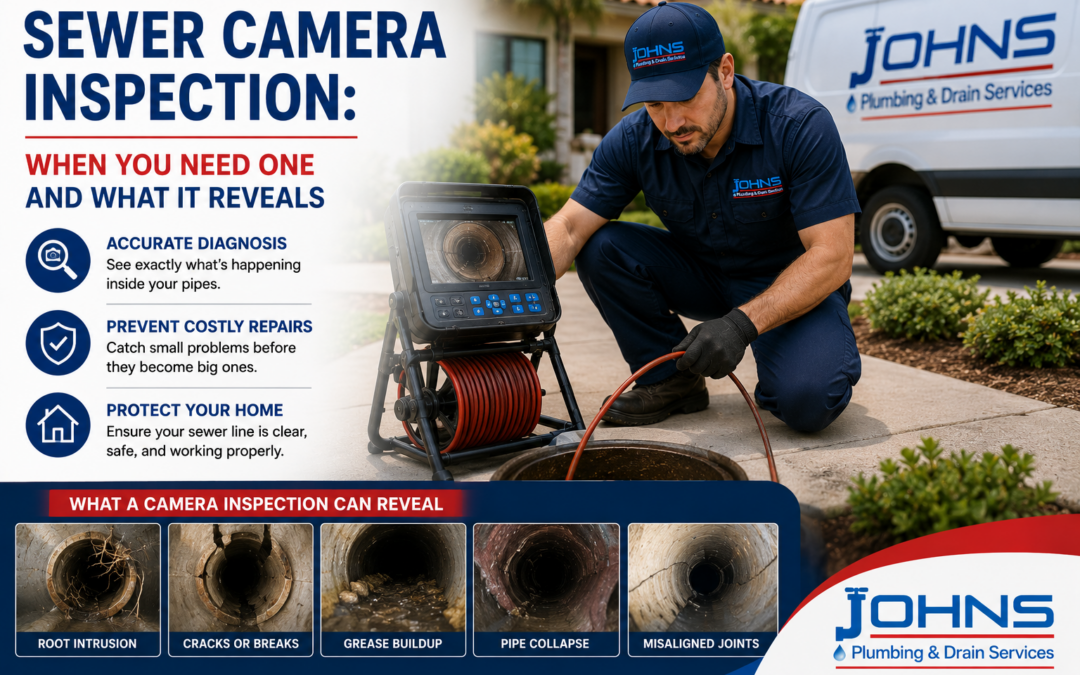
This is also when camera diagnostics matter most. For recurring backups, slow drains, or suspected line issues after a burst, sewer camera inspection professionals can confirm if there’s a hidden obstruction, collapse, or residual damage.
Common Mistakes That Make Damage Worse
Here are the small mistakes that turn a manageable leak into a costly rebuild:
- Waiting to see if it stops
- Using electricity in flooded areas
- Skipping photos/videos before cleanup
- Drying too slowly (mold risk rises fast)
- Turning water back on without checking for leaks
Prevention Checklist (So You Don’t Search This Again)
Prevent repeat pipe breakage
- Insulate exposed lines in cold zones
- Keep indoor temps consistent during cold snaps
- Let faucets drip during freezing nights
- Check water pressure and regulate if high
- Replace aging sections prone to corrosion
This is how you prevent pipe breakage becoming a yearly winter crisis.
Call John’s Plumbing & Drain Services Now
If you’re dealing with a burst pipe emergency, don’t wait for the damage to spread. John’s Plumbing & Drain Services can help you stop the leak, protect your home, and restore safe flow fast. Call: 3234227485 for help.
FAQs About Pipe Bursting
What should I do first if a pipe bursts?
First shut off the main water shutoff valve, then avoid electrical hazards, remove standing water, and document damage with photos/videos.
What happens when a pipe bursts and I don’t act quickly?
Water spreads into floors and walls, mold can start within 24–48 hours, and repair costs rise sharply due to structural and material damage.
Can I stay in the home during burst pipe water damage repair?
Sometimes, but if there’s sewage contamination, electrical hazards, or major drying equipment is needed, temporary relocation may be safer.
How long does burst pipe cleanup take?
Minor incidents can take a day or two; major flooding can take several days to weeks depending on drying, materials, and repairs.
Will insurance cover a burst pipe?
Often yes for sudden accidental events, but coverage varies by policy and can be denied if neglect or poor maintenance caused the failure.