Quick Answer: A kitchen drain that clogs repeatedly is usually caused by grease buildup coating the inside of the drain pipe, not by a single food blockage. Each time you clear the clog, the grease layer remains on the pipe walls and quickly catches new debris. Professional hydro jetting removes the buildup completely. If the pipe itself is damaged or has a belly, structural repair is needed to stop the cycle permanently.
You snake it. It clears. Two weeks later, it is slow again. A month after that, it is fully backed up. If your kitchen drain keeps clogging no matter how careful you are, the problem is not at the drain opening. It is inside the pipe, downstream of what any plunger or consumer drain snake can fully reach.
Grease Is Almost Always the Answer
Cooking grease, oil, butter, and rendered fat are the primary cause of recurring kitchen drain clogs in Los Angeles homes. Even if you never pour grease directly down the drain, small amounts wash off plates, pans, and utensils during rinsing and dishwashing. That grease enters the drain as a warm liquid, travels a few feet into the pipe, and cools. As it cools, it solidifies and sticks to the pipe wall.
Over months and years, that grease layer thickens. The pipe’s internal diameter shrinks. Food particles, soap residue, and other debris stick to the greasy surface and accelerate the buildup. Eventually, the pipe narrows enough that even normal water flow cannot pass through efficiently, and a clog forms.
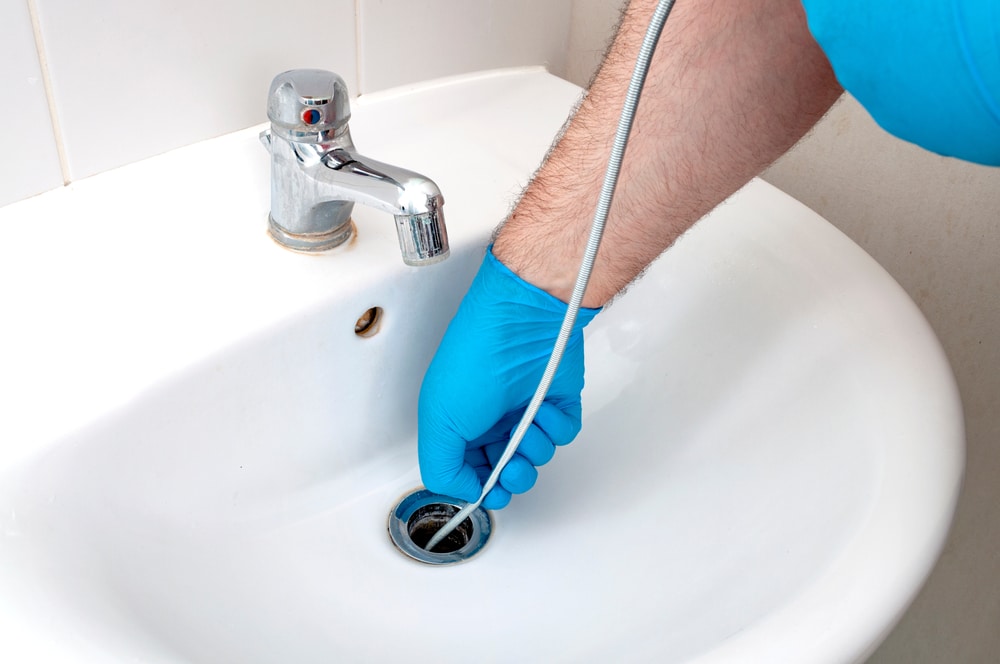
Snaking punches a hole through the clog, restoring flow temporarily. But the grease coating the pipe walls remains untouched. The next round of kitchen waste sticks to the same surface, and the clog returns in the same spot. This is why snaking alone never solves a chronic kitchen drain problem.
The Real Fix: Hydro Jetting
Professional hydro jetting scours the entire interior of the drain pipe with high-pressure water, stripping away years of accumulated grease, scale, and debris. The result is a pipe restored to its full original diameter with smooth, clean walls that do not catch and hold new waste.
For most homes in Los Angeles dealing with recurring kitchen clogs, a single hydro jetting session solves the problem. For restaurant kitchens and heavy-use commercial properties, scheduled quarterly jetting keeps lines clear year-round, as discussed in the guide to restaurant grease trap maintenance.
When the Problem Is the Pipe, Not the Grease
If hydro jetting clears the line but the clog returns quickly, the pipe itself may have a structural issue that traps debris regardless of how clean the walls are.
A bellied pipe is a section where the pipe has sunk below grade, creating a low point where water pools and debris settles. No amount of cleaning fixes a belly, because gravity keeps pulling material into the same dip. A sewer camera inspection reveals bellied sections, offset joints, and other structural defects that standard drain cleaning cannot resolve.
In older homes with cast iron drain stacks, internal corrosion creates a rough, pitted surface that grips grease and debris far more aggressively than smooth PVC. If the cast iron is severely corroded, the long-term solution is replacing the affected section with modern pipe material.
Prevention Tips That Actually Work
Wipe greasy pots and pans with a paper towel before washing. Collect cooking oil in a disposable container and throw it in the trash rather than pouring it down any drain. Run cold water for 15 seconds before and after using the garbage disposal to flush ground waste all the way through the branch line. Use a drain strainer to catch food particles before they enter the pipe.
Even with perfect habits, some grease will always make it into the drain. Scheduling an annual professional drain cleaning on the kitchen line prevents that slow accumulation from reaching the point where it causes problems.
FAQs
Are chemical drain cleaners safe for kitchen drains? No. Chemical drain cleaners are corrosive, can damage older pipe materials, and rarely dissolve grease effectively. They may open a partial path through the clog but leave the grease coating intact, ensuring the clog returns.
Can a garbage disposal cause kitchen drain clogs? An underpowered disposal that does not grind food finely enough can contribute to clogs downstream. Always run cold water while using the disposal and for at least 15 seconds after to flush waste through the line.
How often should I have my kitchen drain professionally cleaned? For most Los Angeles homes, annual kitchen drain cleaning is sufficient for prevention. Homes where heavy cooking is done daily may benefit from cleaning every six months.
Why does my kitchen drain clog more in winter? Grease solidifies faster in cooler temperatures. During cooler months, grease that might have stayed liquid long enough to wash through in summer solidifies sooner inside the pipe and builds up more quickly.