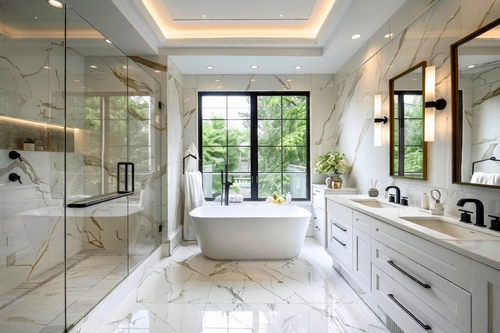
A bathroom remodel in Burbank is one of the best home improvement investments you can make — both for daily comfort and resale value. But the tile, vanity, and fixtures everyone sees depend entirely on the plumbing behind the walls that nobody sees. Cutting corners on the rough-in plumbing during a remodel is how homeowners end up with leaks, poor pressure, and slow drains six months after the project is finished.
Here is what to plan for when your Burbank bathroom remodel involves plumbing changes.
Assess What Is Behind the Walls First
Before selecting finishes, have a plumber inspect the existing supply and drain lines. In most Burbank homes built before the 1970s, the bathroom supply lines are galvanized steel or original copper, and the drain and vent stack is cast iron. If you are opening walls anyway, this is the most cost-effective time to upgrade those aging materials.
Replacing galvanized supply lines with PEX or new copper ensures that your new rain shower head and modern faucets deliver the pressure they are designed for. Transitioning a corroded cast iron drain stack to PVC eliminates a future failure point and improves drainage performance for the new fixtures. A full repipe assessment during a remodel can save thousands compared to doing it as a standalone project later.
Relocating Fixtures Changes Everything
Moving a toilet, shower, or tub to a different location in the bathroom involves rerouting drain lines, supply lines, and vent pipes. This is where costs and complexity increase significantly. Drain lines must maintain proper slope to function by gravity, and vents must meet code requirements to prevent siphoning and sewer gas issues.
Your plumber needs to be involved in the remodel planning from the very beginning — not called in after the tile contractor has already framed the walls. Coordinating plumbing rough-in with the general contractor ensures that drain locations, supply stub-outs, and vent connections are exactly where they need to be before any finished surfaces go in.
Common Upgrades During a Burbank Bathroom Remodel
Upgrading to a low-flow toilet saves water and meets California’s current water efficiency standards. Dual-flush models give you the option of a half flush for liquid waste and a full flush when needed.
Adding a second sink to a shared bathroom requires extending both hot and cold supply lines and installing a properly sized drain with individual trap assemblies. If the existing drain line is undersized for a double vanity, the plumber will need to upsize the branch line.
Walk-in showers and freestanding tubs require different drain configurations than standard tub/shower combos. Linear drains, recessed shower pans, and curbless entries all have specific plumbing requirements that must be planned during the rough-in phase — not improvised during installation.
If your household runs out of hot water during back-to-back showers, the remodel is an ideal time to discuss water heater upgrades or a switch to a tankless system that provides endless hot water on demand.
Permits and Inspections
Any plumbing work that involves moving drain lines, adding fixtures, or modifying vent connections in Burbank requires a plumbing permit from the City of Burbank Building Division. The permit process includes a rough-in inspection before walls are closed and a final inspection after fixtures are installed.
Skipping permits might save a few hundred dollars today, but it creates liability when you sell the home or file an insurance claim. An unpermitted bathroom remodel discovered during a buyer’s inspection can derail a sale entirely.
Choose Your Plumber Before Your Tile
The best bathroom remodels in Burbank start with a licensed plumber who works collaboratively with your general contractor. The plumbing rough-in is the foundation everything else is built on. Get it right, and the finished bathroom performs flawlessly for decades. Rush it or skip it, and the most beautiful bathroom in Burbank will still have problems behind the walls.