Quick Answer: A sewer smell from your shower drain is usually caused by a dry P-trap, a buildup of biofilm and bacteria in the drain, a blocked vent pipe, or a crack in the drain line allowing sewer gas to escape. Running water for 30 seconds refills a dry trap and may stop the smell immediately. If the odor persists, the cause is deeper and requires professional diagnosis.
Walking into your bathroom and getting hit with a rotten egg or sewage smell is not just unpleasant. It is your plumbing telling you something is wrong. Sewer gas contains hydrogen sulfide, methane, and ammonia, and while occasional brief exposure at low levels is more nauseating than dangerous, persistent exposure in an enclosed bathroom is a health concern worth addressing promptly.
Cause 1: Dry P-Trap
Every shower drain has a P-trap, a curved section of pipe that holds a small amount of water. That standing water creates a seal that blocks sewer gas from traveling backward through the drain into your bathroom. If the shower has not been used in a while, such as in a guest bathroom or a second home, the water in the trap can evaporate and break the seal.
The fix is simple: run the shower for 30 seconds to refill the trap. If the smell disappears, the dry trap was the culprit. For infrequently used showers, run water in the drain at least once a month to maintain the trap seal.
Cause 2: Biofilm Buildup
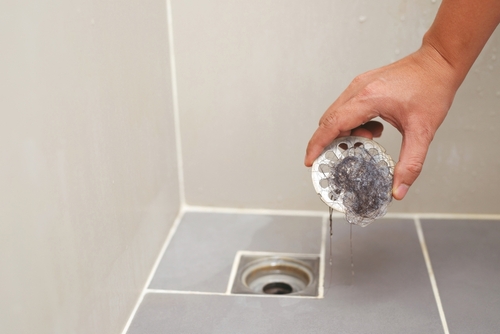
Hair, soap residue, body oils, and dead skin cells accumulate on the interior walls of the shower drain pipe over time. This organic buildup, called biofilm, hosts bacteria that produce foul-smelling gases. The smell can resemble sewer gas even though the trap seal is intact.
Removing the drain cover and cleaning the visible portion of the drain pipe with a brush and a mixture of baking soda and vinegar removes surface biofilm. For deeper buildup, professional drain cleaning eliminates the bacteria colony and restores a clean, odor-free drain line.
Cause 3: Blocked Vent Pipe
Every drain in your home is connected to a vent pipe that runs up through the roof, allowing air to enter the system and equalize pressure. If the vent pipe is blocked by debris, bird nests, or ice (rare in Los Angeles but possible in foothill areas), the air pressure imbalance can siphon water out of the P-trap, breaking the seal and allowing sewer gas in.
A blocked vent can also cause gurgling sounds in other drains when the shower is running. Clearing the vent blockage from the roof access point restores proper air flow and eliminates the smell.
Cause 4: Cracked or Damaged Drain Line
If the drain pipe beneath the shower has a crack, a loose fitting, or a failed joint, sewer gas can escape through the gap and enter the bathroom from below. This is more common in older homes with aging cast iron or galvanized drain pipes.
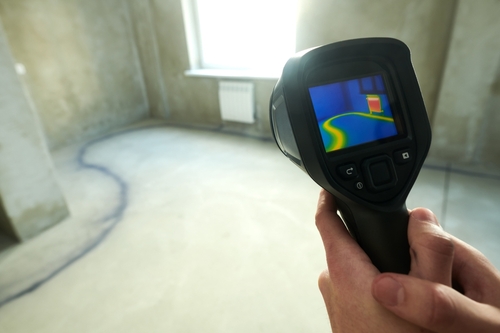
A plumber can test for this using a smoke test, which introduces non-toxic smoke into the drain system. If smoke appears in the bathroom from beneath the floor or behind walls, a pipe defect is confirmed and repair is needed.
Cause 5: Failing Wax Ring or Shower Drain Gasket
The gasket or seal between the shower drain assembly and the drain pipe beneath it can deteriorate over time. If this seal fails, sewer gas bypasses the P-trap entirely and enters the bathroom through the gap around the drain opening. Replacing the gasket requires removing the shower drain and reseating it with a new seal, which a licensed plumber can handle in a single visit.
When to Call a Professional
If running water in the drain does not stop the smell, or if the smell returns after cleaning, the problem is beyond the trap and surface level. A professional can camera the drain line, test the vent system, and check all seal points to identify the exact source and fix it properly.
Sewer gas in your home is not something to tolerate or mask with air freshener. It is a plumbing problem with a plumbing solution, and the sooner you address it, the better your bathroom will smell and the healthier the air in your home will be.
FAQs
Is sewer gas from a shower drain dangerous? At low concentrations, sewer gas causes headaches, nausea, and irritation. Prolonged exposure or high concentrations of hydrogen sulfide can be harmful. The EPA recommends addressing any persistent sewer gas intrusion into living spaces.
Why does my shower only smell when I first turn it on? If the smell is strongest when water first flows, it may be disturbing biofilm in the drain pipe that releases trapped gases. A thorough professional cleaning removes the biofilm and eliminates the odor source.
Can a sewer smell come from the shower but originate elsewhere? Yes. If a nearby toilet has a failing wax ring, or if a floor drain in an adjacent room has a dry trap, sewer gas can travel through shared wall cavities and appear to come from the shower. A plumber can test each potential source to identify the actual entry point.
How often should I clean my shower drain to prevent odors? Remove visible hair and debris from the drain cover monthly. For a deeper clean to prevent biofilm buildup, pour a mixture of baking soda and vinegar into the drain every two to three months, followed by hot water. Schedule professional drain cleaning annually for older homes with aging drain pipes.