Quick Answer: A professional plumber unclogs a main sewer line by first running a sewer camera to locate and identify the blockage, then clearing it with either a professional drain snake (for soft clogs) or hydro jetting (for roots, grease, and heavy buildup). If the camera reveals pipe damage causing the blockage, the plumber will recommend repair or relining rather than just clearing the clog.
When every drain in your house backs up at the same time, the problem is in the main sewer lateral. That is the underground pipe connecting your home to the city sewer, and it is the one pipe that everything in your house depends on. Here is exactly how a professional clears it.
Step 1: Locating the Cleanout
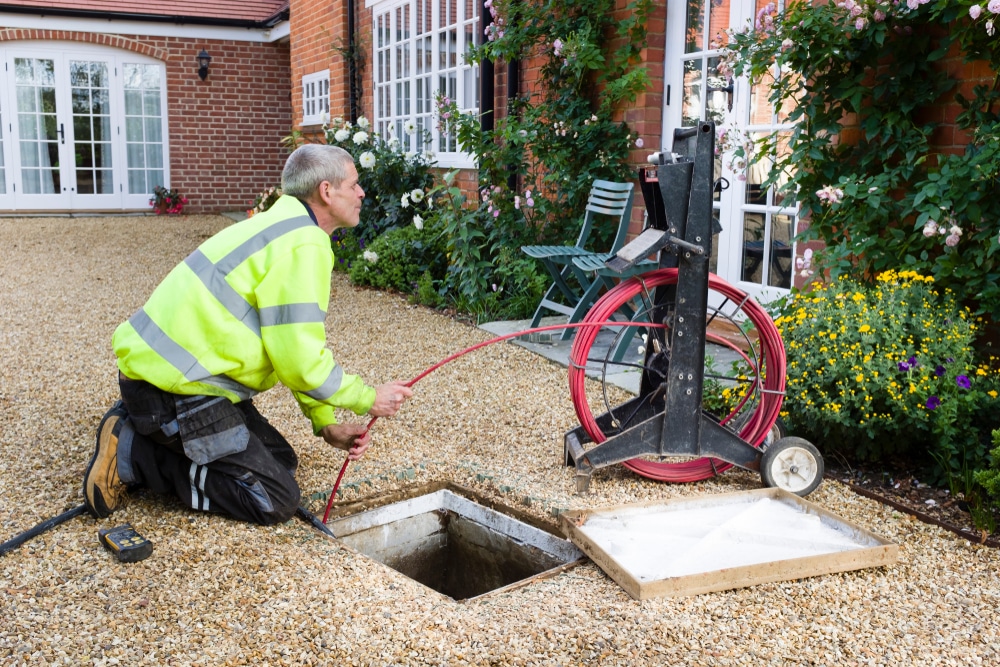
The plumber starts at the sewer cleanout, a capped access point on the sewer lateral usually located in the front or side yard. The cap is removed to provide access for equipment. If standing water or sewage is visible in the cleanout, it confirms the blockage is downstream of that point in the lateral.
Most Los Angeles homes have at least one cleanout. Older homes may have cleanouts that have been buried under landscaping or paving over the years. A knowledgeable local plumber typically knows common cleanout locations for the housing types in each neighborhood.
Step 2: Camera Inspection
Before clearing anything, an experienced plumber runs a sewer camera through the line. This step is critical because it tells the plumber exactly what is causing the blockage. Is it a root mass? Grease? A collapsed section? An offset joint where two pipe sections have shifted apart? Each cause requires a different approach.
The camera also reveals the overall condition of the pipe, which helps the plumber determine whether a simple cleaning will solve the problem or whether the pipe needs structural attention.
Step 3: Snaking (For Soft Clogs)
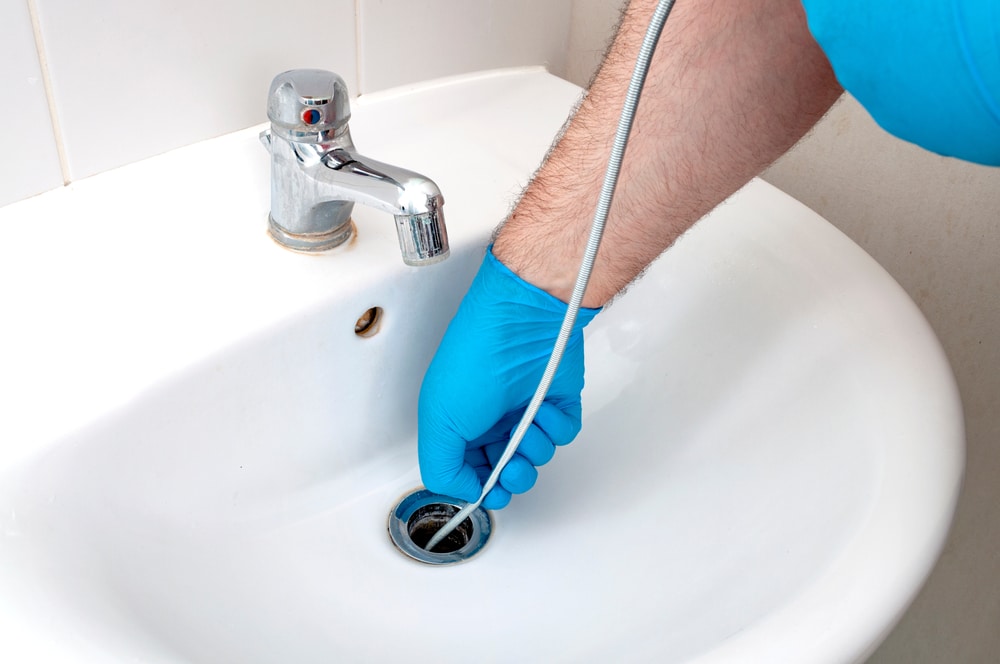
For straightforward clogs caused by organic buildup, toilet paper accumulation, or foreign objects, the plumber uses a professional motorized drain snake with a cutting head. This machine feeds a rotating steel cable through the pipe, and the cutting head breaks through the blockage, restoring flow.
Professional snaking equipment is far more powerful than anything available at a hardware store. The cable is longer, the motor is stronger, and the cutting heads are designed for specific types of obstructions. A consumer snake typically maxes out at 25 feet, while a main line snake can reach 100 feet or more.
Step 4: Hydro Jetting (For Roots, Grease, and Scale)
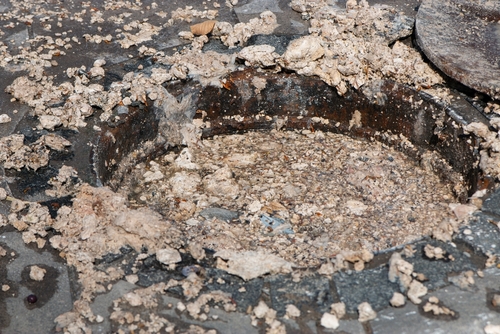
When the camera shows root intrusion, heavy grease coating, or mineral scale, snaking is not enough. Hydro jetting uses a specialized nozzle that blasts water at 3,000 to 4,000 PSI in multiple directions, cutting through roots, dissolving grease, and scouring the pipe walls clean.
Hydro jetting is the gold standard for main line clearing because it does not just punch a hole through the blockage. It removes the buildup from the entire circumference of the pipe, restoring full diameter and flow capacity. For Los Angeles homes with chronic sewer line clogging, jetting provides the longest-lasting results.
Step 5: Post-Cleaning Camera Verification
After clearing the line, the plumber runs the camera again to verify that the blockage is fully removed and to document the pipe’s condition. This footage becomes your baseline for future reference and helps determine if any follow-up work is needed.
If the camera reveals structural damage, such as cracks where roots entered, a bellied section, or a corroded area, the plumber will discuss repair options. Trenchless pipelining can seal root entry points and rehabilitate damaged sections without excavation. For severely damaged pipes, pipe bursting replaces the entire line with new HDPE pipe.
What You Should Not Do
Do not try to clear a main sewer line yourself with rented equipment. Professional drain snakes can cause serious injury if mishandled, and forcing a cable through a damaged pipe can make the situation worse. Chemical drain cleaners are completely ineffective on main line blockages and create a toxic hazard for the plumber who works on the line afterward.
FAQs
How long does it take a plumber to unclog a main sewer line? A standard snaking or hydro jetting service typically takes one to two hours, including camera inspection. If the blockage is severe or the line requires multiple passes, it may take longer.
How often should the main sewer line be cleaned? For homes with root-prone laterals, annual hydro jetting is recommended. Homes without tree or root issues may only need service every two to three years unless problems arise.
Can hydro jetting damage old pipes? When performed by an experienced plumber who adjusts pressure based on pipe material and condition, hydro jetting is safe for older pipes and can actually extend their life by removing harmful buildup.
What causes a main sewer line to clog repeatedly? Recurring clogs are almost always caused by a structural issue in the pipe, whether that is root entry points, a belly, or internal corrosion. A camera inspection identifies the root cause so it can be permanently addressed.