Quick Answer: If you suspect a pipe is leaking behind your wall, shut off the water supply to that section of the house (or the main if you cannot isolate it), document the damage with photos, and call a licensed plumber immediately. Do not cut into the wall yourself. A professional can use non-invasive leak detection to pinpoint the location and make a targeted repair with minimal demolition.
You notice a damp spot on the wall. Or maybe the paint is bubbling in a place that makes no sense. Or there is a musty smell that was not there last week. Something is wrong behind the drywall, and you are pretty sure it involves water.
A pipe leaking inside a wall is one of those problems where every hour matters. The longer water sits inside the wall cavity, the more damage it does to framing, insulation, drywall, and flooring. Mold can begin growing within 24 to 48 hours of sustained moisture exposure, and once it establishes itself inside a wall, remediation becomes a separate and expensive project.
Here is what to do, step by step.
Step 1: Confirm the Leak Is From Plumbing
Before assuming a pipe is the source, rule out other possibilities. Roof leaks, window condensation, and HVAC condensation can all create moisture on interior walls. If the damp area is near an exterior wall, check outside for signs of water intrusion. If it is on a ceiling directly below a bathroom, the source is almost certainly a supply line, drain connection, or fixture seal in the room above.
If the damp spot is on an interior wall away from any exterior exposure, a plumbing pipe running through the wall cavity is the most likely culprit.
Step 2: Shut Off the Water
If you can identify which pipe is leaking based on the location (near a bathroom supply line, for example), shut off the isolation valve for that section. If you cannot isolate it or if you are unsure, shut off the main water supply to the house. This stops the flow and prevents additional water from entering the wall cavity.
In Glendale homes with older plumbing, the individual fixture shutoff valves may be corroded or seized in the open position. If you cannot turn one, go straight to the main.
Step 3: Document Everything
Take photos of the damp area, any visible staining, bubbling paint, or warped trim. Photograph the surrounding area as well to show the extent of damage. This documentation is important for insurance purposes and for helping the plumber understand the progression of the problem.
Step 4: Call a Plumber With Leak Detection Capability
A plumber who specializes in hidden leak detection can locate the exact point of the leak using acoustic listening devices, moisture meters, and thermal imaging without cutting exploratory holes in your walls. Pinpointing the leak before opening the wall means the access cut is precise and minimal, reducing both repair time and drywall restoration cost.
Step 5: Do Not Cut Into the Wall Yourself
It is tempting to grab a drywall saw and start looking for the leak. Resist the urge. You may cut into an area where the water has migrated but the actual leak is several feet away. You also risk hitting electrical wiring, gas lines, or other utilities hidden inside the wall. Let the professional locate the leak first, then make a controlled opening at the right spot.
What Causes Pipes to Leak Inside Walls
In older Glendale homes, the most common cause is corrosion in aging copper or galvanized steel supply lines. Pinhole leaks develop where the pipe wall has thinned from internal corrosion or external contact with abrasive materials in the wall cavity.
Failed solder joints from original construction are another cause. As copper pipes expand and contract with temperature changes over decades, the solder at joints can crack and develop tiny leaks that gradually worsen.
High water pressure accelerates wear on all fittings and joints. If your home does not have a pressure-reducing valve or if the existing regulator has failed, excessive pressure stresses the entire system and increases the likelihood of a failure inside a wall.
Repair Options
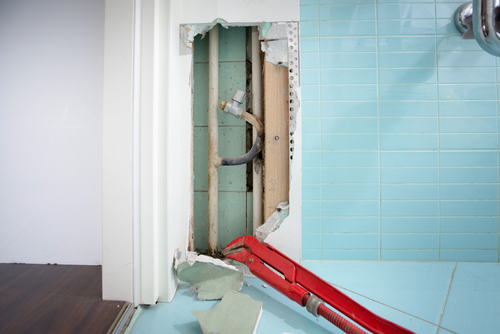
For a single pinhole or joint failure in an otherwise healthy pipe system, a spot repair through a small wall opening is typically the most cost-effective solution. The plumber cuts out the damaged section and replaces it with new pipe and fittings.
If the leak is one of several failures or if the pipe material is showing systemic corrosion, the plumber may recommend a whole-house repipe to eliminate the risk of ongoing failures throughout the system. This is especially common in homes with original galvanized steel supply lines that are past their functional lifespan.
After the Repair
Once the plumber fixes the pipe, the damp wall cavity needs to dry completely before the drywall is patched and sealed. Closing up a wet wall traps moisture and creates a mold environment. A fan directed into the opening or a dehumidifier placed nearby accelerates the drying process. If mold is already visible, consult a mold remediation professional before closing the wall.
FAQs
Can a pipe leak behind a wall cause mold? Yes. Mold can begin growing within 24 to 48 hours of sustained moisture exposure inside a wall cavity. The enclosed, dark, damp environment is ideal for mold colonization, which is why prompt detection and repair are critical.
How do plumbers find leaks behind walls without cutting? Professional plumbers use acoustic listening devices that amplify the sound of water escaping the pipe, moisture meters that detect elevated moisture levels in drywall, and thermal imaging cameras that reveal temperature differences caused by water presence behind surfaces.
Does insurance cover a pipe leaking behind a wall? Most homeowner’s insurance policies cover sudden and accidental water damage from a burst or failed pipe. They typically do not cover damage from a gradual leak that has been ongoing for an extended period. Document the damage immediately and contact your insurer promptly.
How much does it cost to fix a pipe leaking behind a wall? Costs depend on the pipe material, location, and whether additional drywall or finish work is needed. A straightforward spot repair is relatively affordable. If the leak reveals systemic pipe deterioration requiring repiping, the scope and cost increase accordingly.