by devops | Feb 27, 2026 | maintenance
Quick Answer: To detect plumbing leaks before major damage, start with a water-meter test (no water running), then check for water stains, musty odors, and low pressure at multiple fixtures. Next, inspect high-risk spots (under sinks, toilets, appliances, water heater...

by devops | Feb 27, 2026 | maintenance
Quick Answer: Calcium build up in water heater tanks reduces efficiency by forming scale and scale deposits from calcium deposits in water (often with magnesium) that harden into a sediment layer. This creates an insulating layer on the heating element, blocks heat...

by devops | Feb 27, 2026 | maintenance
Quick Answer: Hard water in water heater systems shortens lifespan by leaving scale buildup, mineral deposits, and sediment buildup (mainly calcium and magnesium) that create an insulating layer on the heating element, reduce heating efficiency, and increase energy...
by devops | Feb 7, 2026 | maintenance
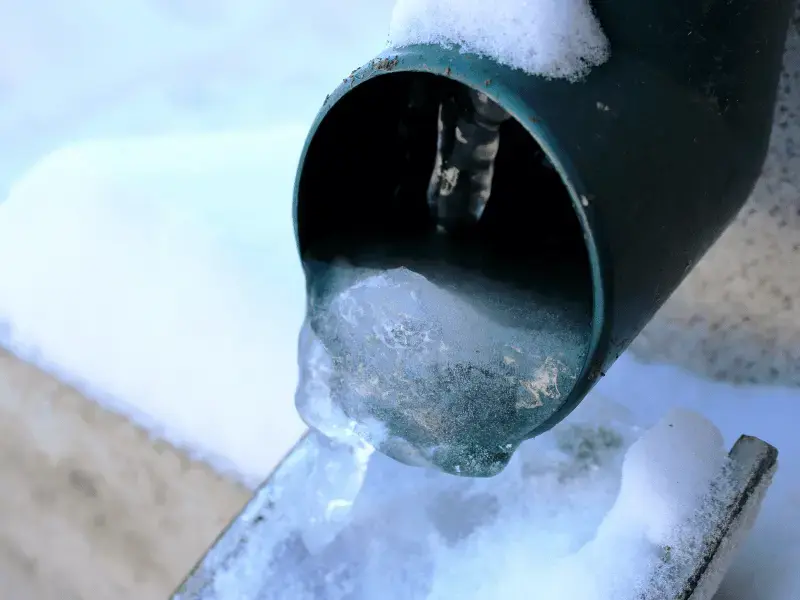
Quick Answer: Outdoor pipes can freeze after several continuous hours of subfreezing temperatures, most commonly within six to eight hours when exposure is high. The freezing risk increases sharply once temperatures drop below 32°F, and it accelerates near 20°F or...
by devops | Feb 4, 2026 | maintenance
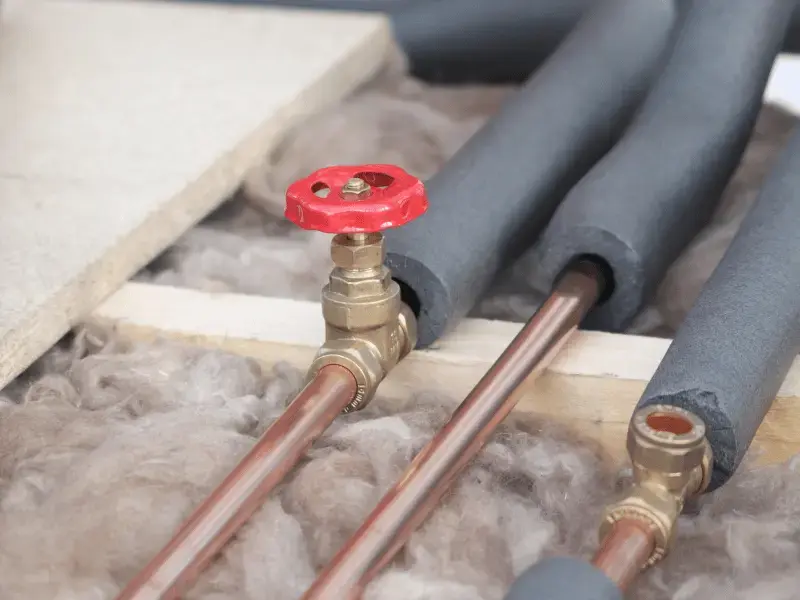
Quick Answer: Insulating outdoor water pipes reduces burst risk by slowing heat loss, preventing ice blockages, and limiting pressure buildup inside the pipe. Most winter pipe failures occur when trapped water freezes and hydraulic pressure rises in confined sections....