by devops | Jan 29, 2026 | maintenance
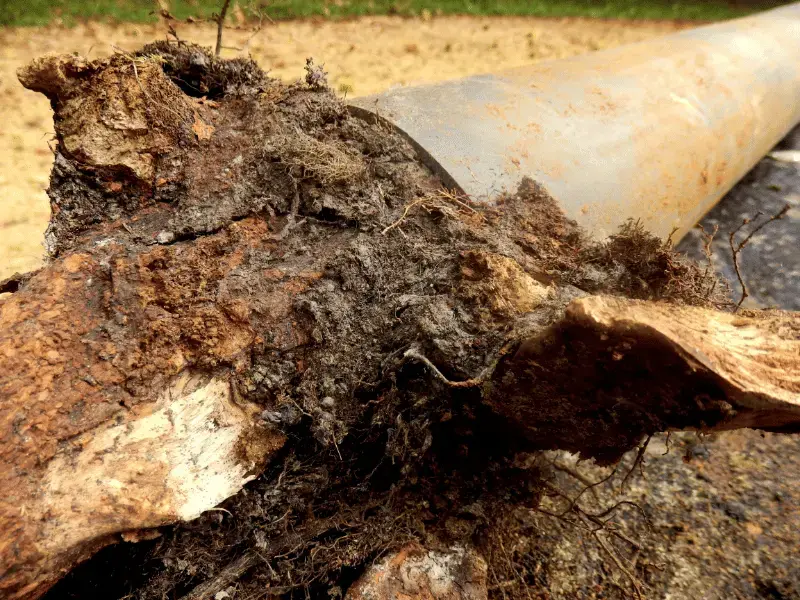
Quick Answer: Tree roots get into pipes by following moisture and nutrients, then slip into tiny cracks, loose joints, or gaps in buried plumbing. Once inside, they thicken fast, trap waste, and reduce flow causing slow drains, odors, and backups. The best long-term...

by devops | Jan 29, 2026 | maintenance
Quick Answer: CIPP lining is a trenchless pipe repair method that creates a new, jointless pipe inside your existing pipe using a resin-saturated liner that hardens in place. The line is cleaned, inspected by camera, the liner is inserted, then cured with heat, steam,...

by devops | Jan 21, 2026 | maintenance
Quick Answer: To check for gas leaks when temperatures drop is to first trust your senses (rotten-egg odor, hissing), then leave immediately if you suspect a leak, and call your gas utility or emergency services. If there’s no strong odor, you can safely confirm with...

by devops | Jan 20, 2026 | maintenance
Quick Answer: Natural gas lines freeze very rarely, the gas itself doesn’t freeze in home systems, but water vapor, condensation, or water buildup in pipes can turn into ice blockages that restrict natural gas flow especially at exposed sections, meters, regulators,...

by devops | Jan 20, 2026 | maintenance
Quick Answer: When the weather gets colder, your heater runs longer and hotter, which makes any buildup inside the tank more noticeable. Most often, popping happens when sediment buildup and mineral deposits harden at the bottom, trapping water underneath; as heat...