Quick Answer: If two or more drains in your home are slow or backed up at the same time, the problem is almost certainly in the main sewer line or a shared branch drain, not in the individual fixtures. A single clog affects one drain. Multiple simultaneous clogs point to a systemic blockage that requires professional diagnosis with a sewer camera and clearing with hydro jetting or snaking.
A slow kitchen sink is annoying. A slow kitchen sink combined with a slow shower, a gurgling toilet, and a bathroom sink that will not drain at all is alarming. When multiple fixtures in your home stop draining properly around the same time, your plumbing is sending you a very clear message: the problem is not at the fixture level.
Single Clog vs Main Line Blockage
Every fixture in your home has its own trap and a short section of drain pipe that feeds into a larger branch line. Those branch lines merge into the main sewer lateral, which carries everything out to the city sewer connection. When a single fixture clogs, it is usually a localized issue. Hair in a bathroom drain, grease in a kitchen line, or too much toilet paper in a toilet. These are isolated problems with isolated solutions.
When multiple fixtures clog simultaneously, the blockage is downstream of where those individual lines converge. That means the main sewer lateral or a major branch intersection is restricted, and nothing from any connected fixture can flow past the blockage. The water has nowhere to go, so it backs up through every drain connected to the affected section.
What Typically Causes a Main Line Blockage
In Glendale homes built before the 1970s, the most common cause is tree root intrusion. Clay sewer laterals develop small cracks at the joints as they age, and tree roots find those cracks and grow into the pipe looking for moisture and nutrients. Once inside, roots expand and create a net that catches everything flowing through the line. Over time, that net becomes a full blockage. Neighborhoods like Verdugo Woodlands, Montrose, and Rossmoyne are especially vulnerable because of the mature trees and original clay pipe infrastructure.
Heavy grease accumulation is the second most common cause. Even small amounts of cooking oil that make it past the kitchen drain’s P-trap can coat the interior walls of the main line over years. That grease layer hardens and narrows the pipe, and eventually catches enough solid debris to create a blockage.
Pipe damage is the third cause. Collapsed sections, bellied pipe where the line has sunk below grade, and severe corrosion in cast iron drain stacks all create points where flow stalls and debris accumulates. These structural issues do not resolve with cleaning alone and require sewer line repair or trenchless pipelining.
The Warning Signs Before a Full Backup
Multiple slow drains rarely appear without warning. Before the full blockage hits, you will typically notice gurgling sounds from drains when other fixtures are in use. You may see the toilet water level fluctuate when the washing machine drains. You might notice a faint sewer odor near floor drains or in the basement. Each of these signs indicates a developing restriction in the main line.
What to Do When It Happens
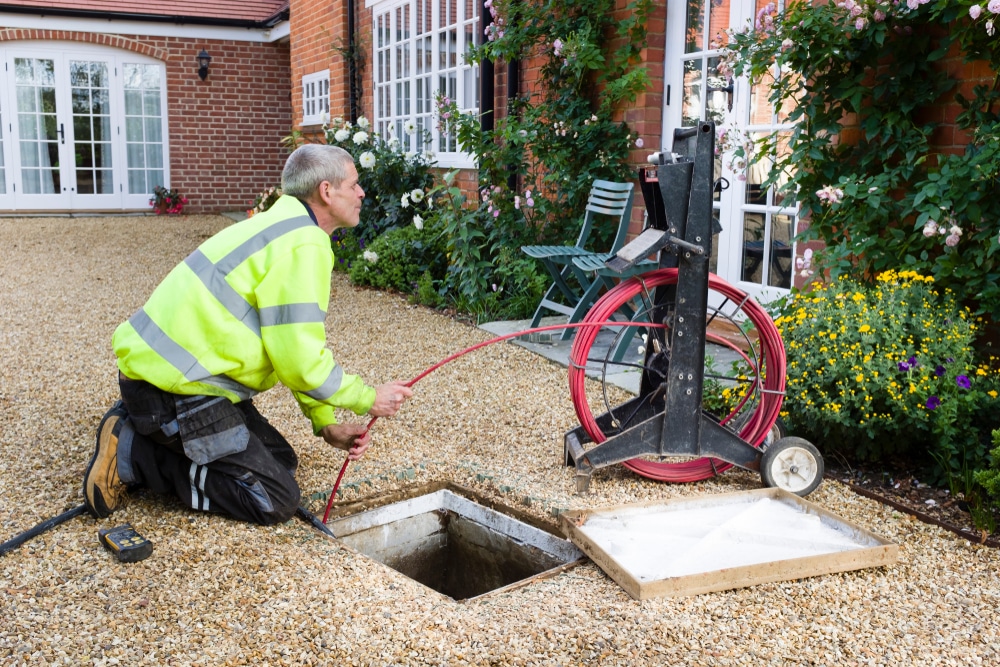
First, stop using all water in the house. Every gallon you send down a drain adds to the backup. Check your sewer cleanout in the yard. If it is accessible, pop the cap and look for standing water. If water is visible or actively flowing backward through the cleanout, the blockage is confirmed in the main lateral.
Call a licensed plumber immediately. The plumber will run a camera through the sewer line to find the blockage, identify the cause, and determine whether clearing with hydro jetting is sufficient or whether the pipe needs structural repair.
Do not pour chemical drain cleaners into any drain. They will not reach a main line blockage, they can damage aging pipes, and they create a chemical hazard for the plumber who eventually works on the line.
Prevention Going Forward
Once the line is cleared, ask your plumber about a maintenance schedule. For Glendale homes with mature trees near the sewer lateral, annual jetting prevents root masses from rebuilding to blockage level. For homes with grease-prone kitchen lines, quarterly drain cleaning keeps buildup from migrating downstream. An annual plumbing inspection that includes a camera check of the main lateral catches developing problems before they become emergencies.
FAQs
Can a clogged vent pipe cause multiple drains to back up? A blocked plumbing vent can cause slow drainage and gurgling across multiple fixtures, but it typically does not cause actual backup or standing water. If water is coming up through drains, the blockage is in the drain line, not the vent.
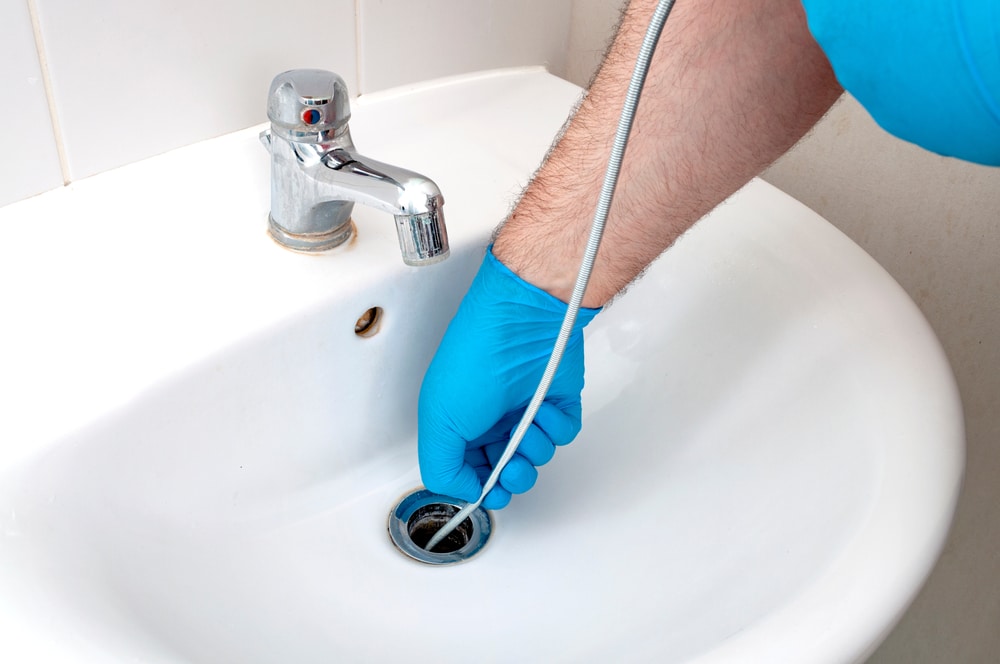
Should I try a drain snake before calling a plumber? A consumer-grade drain snake can sometimes punch through a soft clog in a branch line, but it usually cannot reach or clear a main line blockage effectively. Professional equipment is needed for main line obstructions.
How do I know if my sewer line is collapsed versus just clogged? A sewer camera inspection is the only way to know for certain. If the line clears easily with jetting but clogs again within weeks, structural damage like a collapse or belly is likely the root cause.
How often should the main sewer line be cleaned? For older Glendale homes with root-prone laterals, annual hydro jetting is a smart preventive measure. Homes without tree root risk may only need main line service every two to three years, depending on usage patterns.