Quick Answer: A water heater that runs out of hot water faster than it used to is typically dealing with sediment buildup in the tank, a failing lower heating element (electric units), a broken dip tube, or a thermostat set too low. In some cases, the tank is simply too small for your household’s current hot water demand. A professional flush and inspection usually identifies the cause, and the fix is often straightforward.
You used to get through two back-to-back showers without any drop in temperature. Now the second person barely gets through a rinse before the water turns cold. Something has changed inside your water heater, and the most common cause is sitting at the bottom of the tank right now.
Sediment Buildup: The Number One Cause
Los Angeles receives water with moderate to high mineral content, primarily calcium and magnesium. When that water enters your water heater tank and gets heated, the dissolved minerals separate and settle to the bottom as sediment. Over months and years, that sediment layer grows.
In a gas water heater, the burner sits directly underneath the tank. A thick sediment layer acts as insulation between the flame and the water above it. The heater has to work longer and harder to bring the water up to temperature, and the effective volume of the tank is reduced because sediment displaces water. A 40-gallon tank with three gallons of sediment in the bottom is effectively a 37-gallon tank that takes longer to heat. You feel the difference in the shower.
In electric water heaters, the lower heating element can become buried in sediment, reducing its effectiveness or causing it to burn out entirely. Once the lower element fails, only the upper element is heating water, and it only heats the top third of the tank.
An annual tank flush clears sediment and restores the heater’s original capacity and efficiency. The hard water conditions in Los Angeles make this annual maintenance especially important.
The Broken Dip Tube
The dip tube is a plastic pipe inside the tank that directs incoming cold water to the bottom, where it gets heated before rising to the top for delivery. If the dip tube cracks or breaks, cold water enters at the top and mixes with the hot water already there, diluting the temperature and making it feel like you are running out of hot water much faster than you should.
A broken dip tube is a common issue in water heaters that are 8 to 12 years old. It is replaceable, but it requires draining the tank and accessing the interior.
Thermostat Issues
The thermostat on your water heater controls the target temperature. Most units are factory-set at 120 degrees Fahrenheit, which is the recommended setting for safety and efficiency. If the thermostat has drifted downward or failed, the water may not be reaching the temperature your household expects, and it will seem like the hot water runs out faster because you are mixing in less hot water to compensate.
Check the thermostat setting on the unit. If it is set correctly but the water is not reaching that temperature, the thermostat or the heating element may need replacement.
The Tank Is Too Small
Sometimes the water heater is working perfectly but it is simply too small for current demand. A 30-gallon tank that was adequate for a couple may be undersized for a family of four. If your household has grown or if you have added a bathroom or appliances that use hot water, the tank may need to be upgraded.
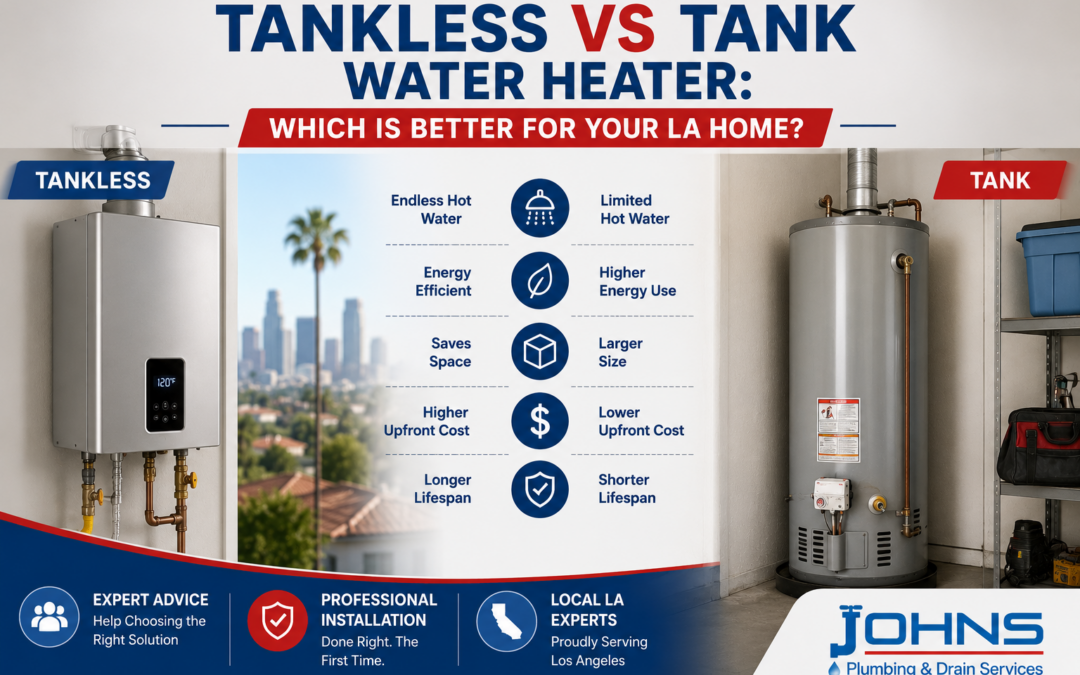
This is also the moment to consider a tankless water heater, which heats water on demand and never runs out. For Los Angeles homeowners tired of rationing hot water, a tankless upgrade eliminates the problem permanently.
When to Call a Plumber
If flushing the tank and checking the thermostat do not resolve the issue, a professional evaluation is the next step. The plumber can test the heating elements, inspect the dip tube, check the anode rod condition, and determine whether repair or replacement is the better path based on the unit’s age and overall condition.
A water heater that is more than 10 years old and losing performance is usually a better candidate for replacement than repair. The efficiency gains from a modern unit offset the replacement cost over time, and you avoid the risk of a catastrophic tank failure that floods your home.
FAQs
How often should I flush my water heater? In Los Angeles, where the water has elevated mineral content, annual flushing is recommended. Homes with especially hard water may benefit from flushing every six months. Regular flushing extends the heater’s lifespan and maintains its full heating capacity.
Can sediment damage my water heater permanently? Yes. Heavy sediment buildup causes the bottom of the tank to overheat in gas units, which weakens the steel and accelerates tank failure. In electric units, sediment buries and burns out the lower heating element. Both outcomes shorten the life of the heater.
Why does my hot water pressure seem lower than it used to be? Sediment and calcium scale can restrict flow through the water heater outlet and through supply lines feeding hot water fixtures. A combination of tank flushing and supply line inspection usually identifies and resolves the restriction.
Is it worth repairing a 12-year-old water heater? Generally no. A 12-year-old tank water heater has reached or exceeded its expected lifespan. Investing in repairs on a unit that is statistically likely to develop another failure soon is usually less cost-effective than replacing it with a modern system.