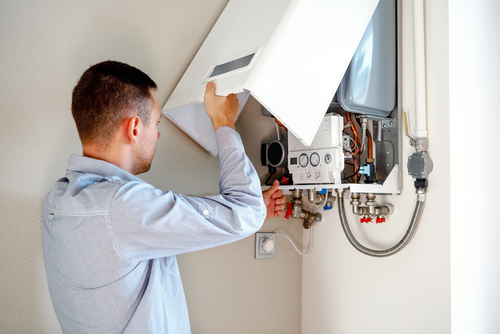
Quick Answer: A standard tank water heater typically lasts 8 to 12 years. A tankless water heater can last 20 years or longer with proper maintenance. In Los Angeles, the hard water conditions can shorten these lifespans by accelerating sediment buildup and internal corrosion. Annual maintenance, including tank flushing and anode rod inspection, is the single most effective way to maximize how long your water heater lasts.
Every water heater has an expiration date. The challenge is knowing when yours is approaching it, because a water heater that is about to fail rarely gives obvious warning signs until the tank starts leaking or the unit stops heating entirely. At that point, you are dealing with an emergency replacement instead of a planned upgrade, and emergencies always cost more.
Tank Water Heaters: 8 to 12 Years
The standard residential tank water heater found in most Los Angeles homes has an expected useful life of 8 to 12 years. This range depends on several factors including water quality, usage volume, installation quality, and maintenance history.
The primary killer of tank water heaters is internal corrosion. Every tank has a sacrificial anode rod, a metal rod (usually magnesium or aluminum) that attracts corrosive elements in the water so they attack the rod instead of the tank walls. Once the anode rod is consumed, the corrosive action shifts to the steel tank itself, and once the tank begins corroding internally, failure is only a matter of time.
In Los Angeles, the mineral-heavy water accelerates both sediment accumulation and anode rod consumption. A water heater in a hard water environment that never gets flushed or has its anode rod checked will almost certainly die before the 10-year mark. One that receives annual maintenance may last 12 to 15 years.
Tankless Water Heaters: 20+ Years
Tankless water heaters have a significantly longer lifespan than tank units because they do not store water and are not subject to the same constant corrosive pressure. A well-maintained tankless unit from a quality manufacturer like Rinnai or Navien can last 20 years or longer.
The key maintenance item for tankless systems is an annual vinegar flush to remove mineral scale from the heat exchanger. In Los Angeles, where hard water is the norm, skipping this annual descaling can reduce the unit’s efficiency and eventually damage the heat exchanger, which is the most expensive component to replace.
How to Check the Age of Your Water Heater
The manufacturing date is encoded in the serial number on the unit’s data plate, usually located on the upper portion of the tank. Most manufacturers use the first two characters of the serial number to indicate the month and year of production. If you cannot decode it, your plumber can read it during a routine plumbing inspection.
Signs Your Water Heater Is Reaching End of Life
Rust-colored water from hot taps indicates internal tank corrosion that has progressed beyond the anode rod. Popping or rumbling sounds from the tank indicate heavy sediment hardening at the bottom and overheating during each cycle. Moisture or small puddles at the base of the tank suggest the inner liner has developed a crack. And if the unit is simply not delivering the hot water volume it used to, declining performance after 10 years is a clear sign that the system is winding down.
Repair or Replace?
For units under 6 years old, most component failures are worth repairing. Thermocouples, heating elements, and thermostats are all replaceable parts that cost a fraction of a new unit.
For units between 6 and 10 years old, the decision depends on the repair cost and the overall condition. If the repair estimate exceeds 50 percent of a new unit’s installed cost, replacement is the better investment.
For units over 10 years old, replacement is almost always the smarter move. You are spending money to extend the life of a system that is statistically likely to develop another failure soon. A new energy-efficient unit reduces monthly utility costs immediately and eliminates the risk of a catastrophic tank failure that can cause thousands of dollars in water damage.
Making the Switch
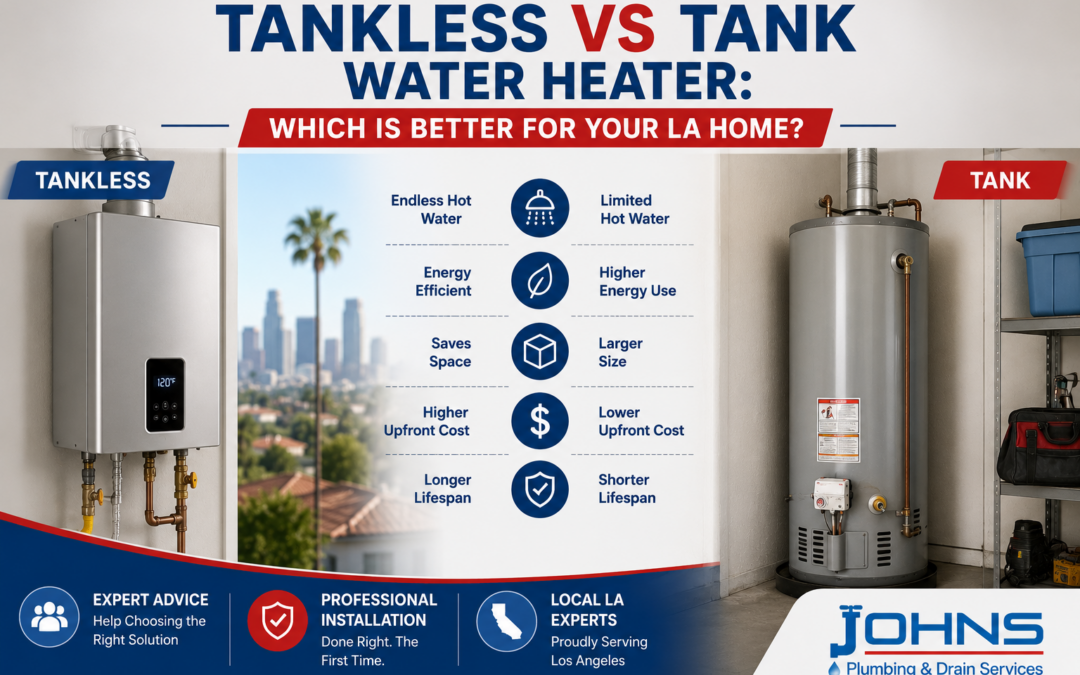
If your water heater is approaching end of life, consider the pros and cons of tankless before defaulting to another tank. The longer lifespan, energy savings, space savings, and unlimited hot water supply make tankless systems increasingly popular with Los Angeles homeowners who are replacing aging tank units.
A licensed Burbank plumber can evaluate your current system, review your household’s hot water demand, and recommend the right replacement option for your home and budget.
FAQs
Does hard water really shorten water heater life? Yes. Hard water accelerates sediment buildup and consumes the anode rod faster, both of which lead to earlier tank failure. Annual flushing and anode rod checks counteract these effects and extend the unit’s lifespan.
Can I replace the anode rod myself? It is technically possible, but the rod is often corroded in place and requires significant force to remove. A plumber can replace it during a routine flush, which is the most efficient approach.
How much does a new water heater cost installed in Los Angeles? A standard 40 to 50 gallon tank water heater installed typically ranges from $1,200 to $2,000. A tankless installation ranges from $3,000 to $5,000 depending on gas line and venting requirements.
Should I replace my water heater before it fails? If the unit is over 10 years old and showing performance decline, proactive replacement on your schedule is always preferable to an emergency replacement after a tank failure floods your home.